


 RBI Uses $10 Billion Currency Swaps to Drain Excess Rupee Liquidity
  Fed Unveils Stablecoin Rules Under GENIUS Act
  RBA Hikes Interest Rate to 4.60% as Inflation Risks Rise
  Fed’s Hammack Says More Data Needed Before Next Rate Move
  BOJ Raises Interest Rate to 31-Year High as Yen Weakens


 Add as a preferred source on Google
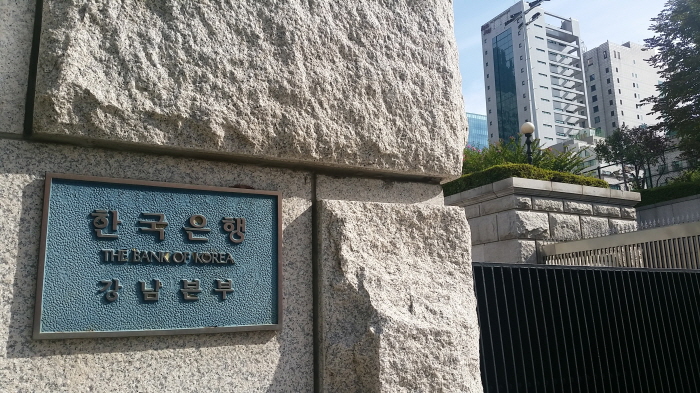
Bank of Korea left its benchmark rate steady at 1.5% in December for 6th time as widely predicted. With growth and inflation basing, expansionary budget and ending of MERS, BoK might likely remain on hold in next year.
"Furthermore, with BoK paying greater attention to financial stability risks from high household debt (84.3% of GDP at end-2014), we see little urgency to ease again and we think BoK will tolerate more KRW weakness as a result", says RBC Capital Markets in a research note.
Q3 Final GDP growth rose from 2.2% in Q2 to 2.7% and core CPI inflation climbed to 2.4%. KRW is one of the biggest potential losers from persisting JPY and CNY weakness.
South Korea has highest export correlation and lowest export complementarity with Japan and China. In early September, finance Minister Choi Kyung hwan previously announced the government had cut its forecast for growth in 2016 again because of risks from China's economic slowdown to 3.1%.

- News

- Economy

- Central Banks
- Investing
- Research
- Roundups
- Digital Currency
- Insights
- Technical Analysis
- Technology
- Business
- Law
- Health
- Nature
- Fintech
- Science
- Topic
- Opinions
- ©Econometrics LLC . All Rights Reserved.
Bank of Korea likely to stand pat in 2016
Tuesday, December 29, 2015 6:20 AM UTC
Editor's Picks



- Market Data
Most Popular




