Fresh from providing war-torn Ukraine with a series of murals, Banksy recently used his Instagram account to channel frustrations with a more domestic concern.
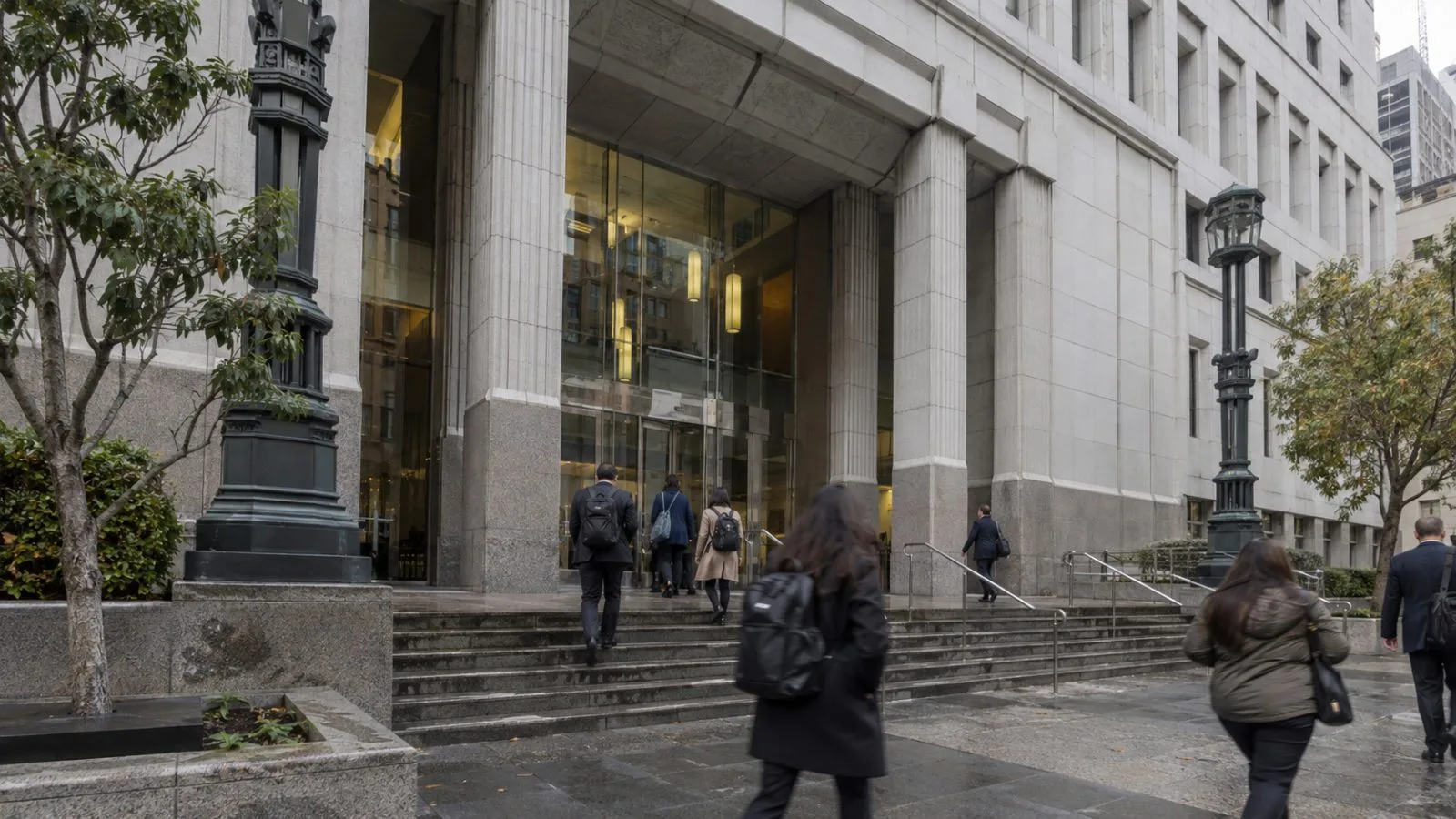
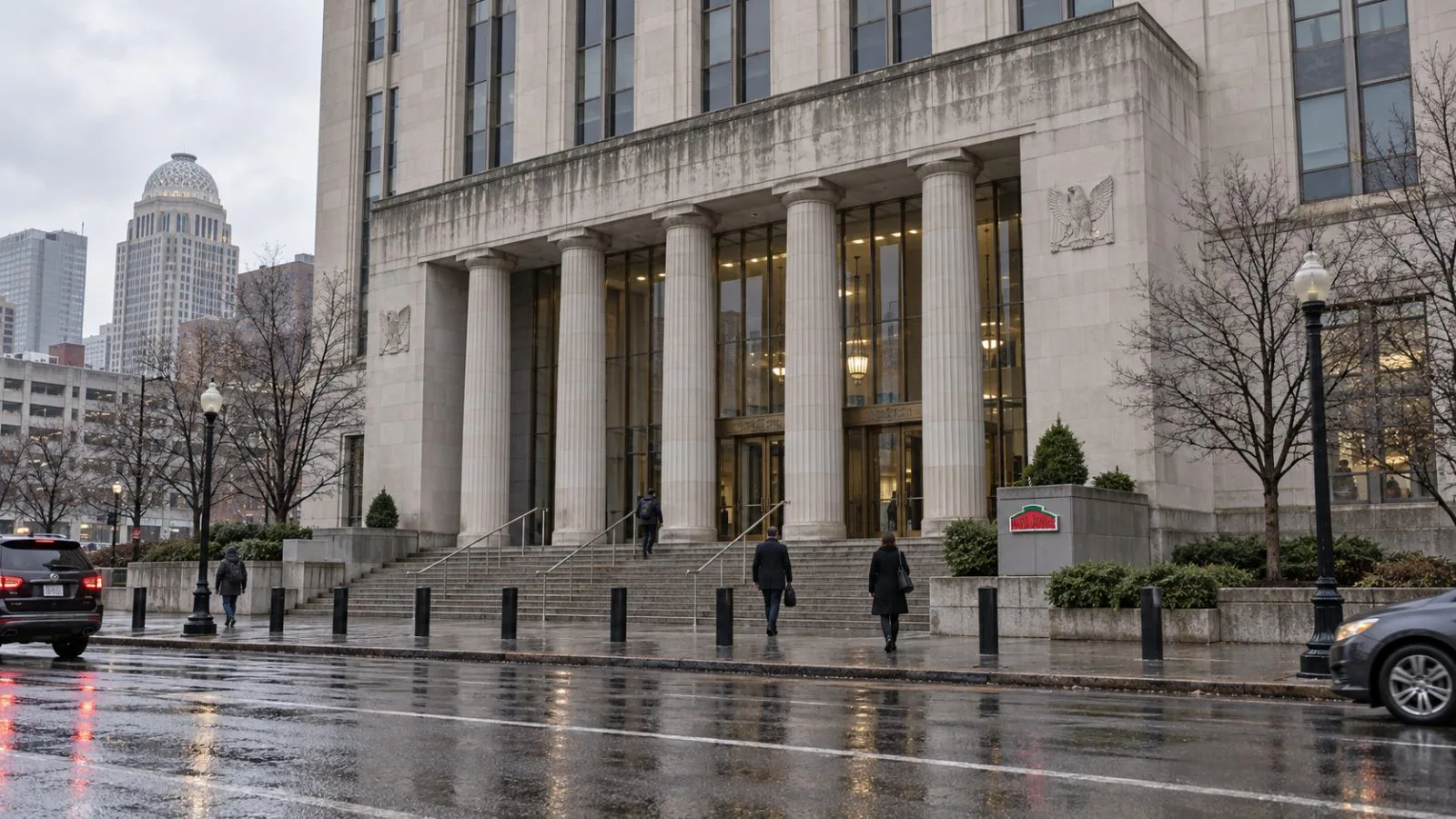
The elusive artist has accused fashion retailer Guess of exploiting his artwork without consent. He posted a picture of the brand’s flagship store, which showcased clothes incorporating some of his iconic pieces (including the Flower Thrower and Flying Balloon Girl), and invited shoplifters to attack it, saying, “They’ve helped themselves to my artwork without asking, how can it be wrong for you to do the same to their clothes?”
The fashion company has justified the new collection by emphasising that it was “inspired by Banksy’s graffiti” and that they had legally acquired rights over Banksy’s art.
It is very unlikely that Banksy, or his organisation Pest Control, has ever authorised an external company to manage the copyright over his art. This can be inferred from Banksy’s own website, which first claims that “neither Banksy or Pest Control licence the artist’s images to third parties” and then confirms that “Banksy doesn’t do merchandise”.
Some may argue that Banksy’s latest move is hypocritical, emphasising what the artist himself noted in the introductory page to his bestselling 2005 book, Wall and Piece: “Copyright is for losers.”
But a But a statement made almost 20 years earlier does not deprive the artist of the exclusive rights over his art. To allow otherwise would unduly restrict his freedom of expression.
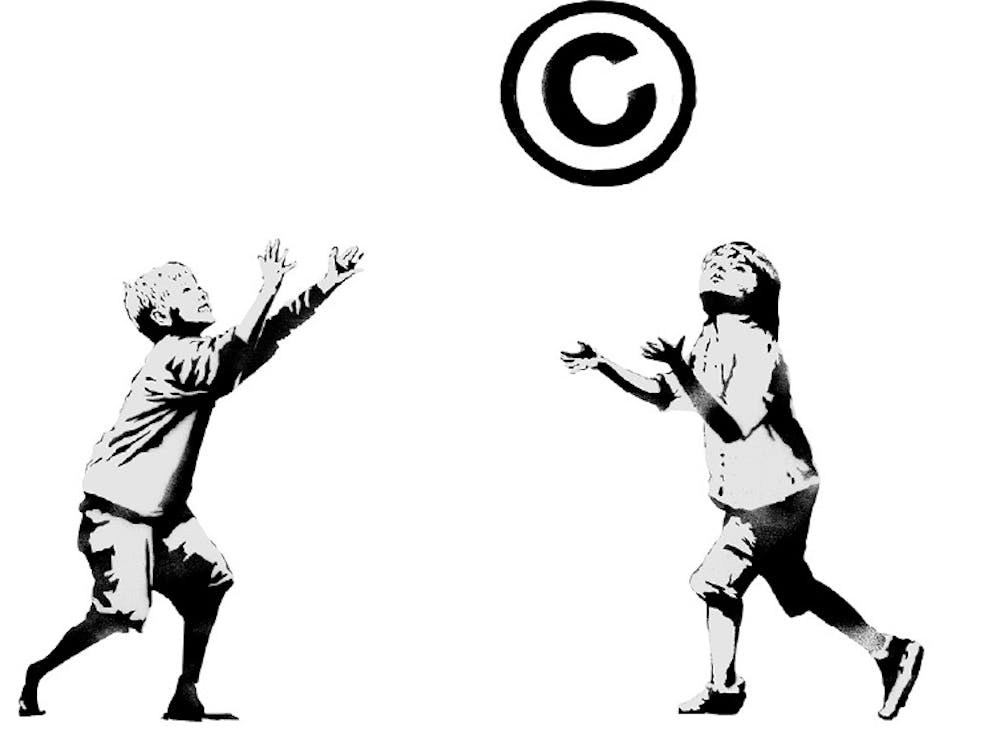
Banksy’s Pest Control website encourages the non-commercial use of his images, saying, ‘Print them out in a colour that matches your curtains, make a card for your gran, submit them as your own homework, whatever.’ Pest Control
As explained last year by the EU intellectual property (IP) office in the proceedings which led to the cancellation of one of Banksy’s trademarks, one cannot lose the right to a brand because of anti-copyright statements made in the past.
This was also highlighted by a decision of the same office a few weeks ago, which reversed a previous ruling invalidating Banksy’s trademark of the artwork Laugh Now But One Day We’ll Be In Charge. It was noted that anyone is free to express publicly their view and opinions, and that Banksy’s old statement, “Copyright is for losers”, does not mean that copyright should not be enforceable, as it was simply an ironic comment.
A strategic change from team Banksy
Artists can be anti-establishment and still take legal action to protect their intellectual property. And this is exactly what Banksy and Pest Control have started doing.
They have been planning a trademark filing strategy in several jurisdictions and even won a case of unauthorised merchandising in Italy in 2019, while leaving people free “to use Banksy’s images for non-commercial, personal amusement”.
Another issue is anonymity. Some commentators have claimed that Banksy would need to reveal his identity to be able to start a copyright suit, something the mysterious artist understandably wants to avoid.
But the idea that anonymous (or pseudonymous) artists cannot bring legal actions while keeping their real identity confidential is debatable. Many laws around the world, including in the US and UK, and the main international treaty on copyright (the Berne Convention), clearly protect anonymous works.
Also, several copyright offices allow the registration of anonymous works – the US copyright office being one of them. And in many countries it is possible to start legal actions while remaining anonymous or pseudonymous if certain tests are met – the aim being to protect the complainant’s privacy and personal data.
The EU IP Office stressed this point during the recent proceedings over Banksy’s trademark, saying: “As to Banksy’s need to stay anonymous, it must be stated that in proceedings a party may request to a certain extent to be treated in a confidential way in order to limit, to the extent that it is possible, the dissemination of his personal data, in case this is justified.”
Banksy’s anti-establishment ethos
Not only is copyright compatible with anti-establishment messages, it could also become the legal tool to maintain those messages. Copyright allows artists to object to and prevent what many of them do not accept: a commercial exploitation of their art which is antithetical to their message. Resorting to copyright laws may protect the reputation of artists who, like Banksy, don’t want to be associated with marketing and profit-oriented activities.
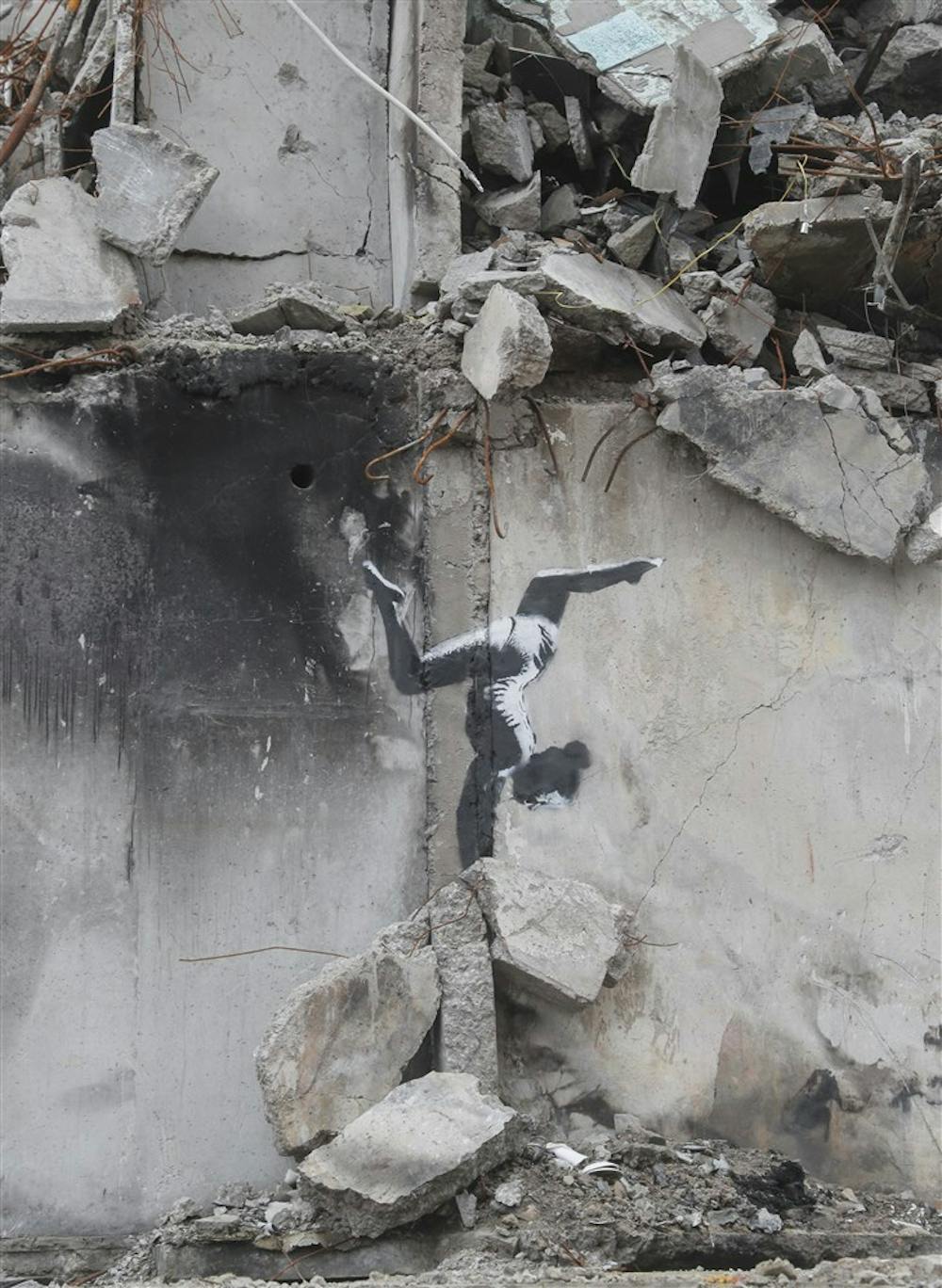
Banksy recently unveiled a series of works in war-torn Ukraine. Sergey Dolzhenko
There have recently been several cases where street and graffiti artists brought copyright infringement claims precisely because they didn’t want to be linked to corporate and consumerist messages. This is the case of US artists Dash Snow, Ahol, Revok and Rime, among others.
But can Banksy be accused of selling-out because of his recent IP enforcement strategy?
As copyright regimes are neutral to the messages conveyed by the works, this accusation is weak. Banksy could earn much more money by regularly licensing his copyright and trademarks to commercial entities. He instead chooses to licence his art royalty-free to charity organisations. One of these is the London-based Loves Welcome, a creative social enterprise aiding refugee women.
Also, Banksy often donates proceeds from sales of his canvases to non-profit organisations. This happened in 2021 when the COVID-themed painting Game Changer, depicting a young boy playing with a superhero nurse doll, was sold for £16 million. Proceeds from the sale were used to support the Southampton Hospitals Charity among others.
Banksy’s relationship with intellectual property and copyright in particular has certainly been tumultuous. But denying him the ability to enforce rights over his art would be wrong. Even controversial figures like Banksy should take advantage of the tools the law offers to protect their artistic vision.
 Enrico Bonadio does not work for, consult, own shares in or receive funding from any company or organisation that would benefit from this article, and has disclosed no relevant affiliations beyond their academic appointment.