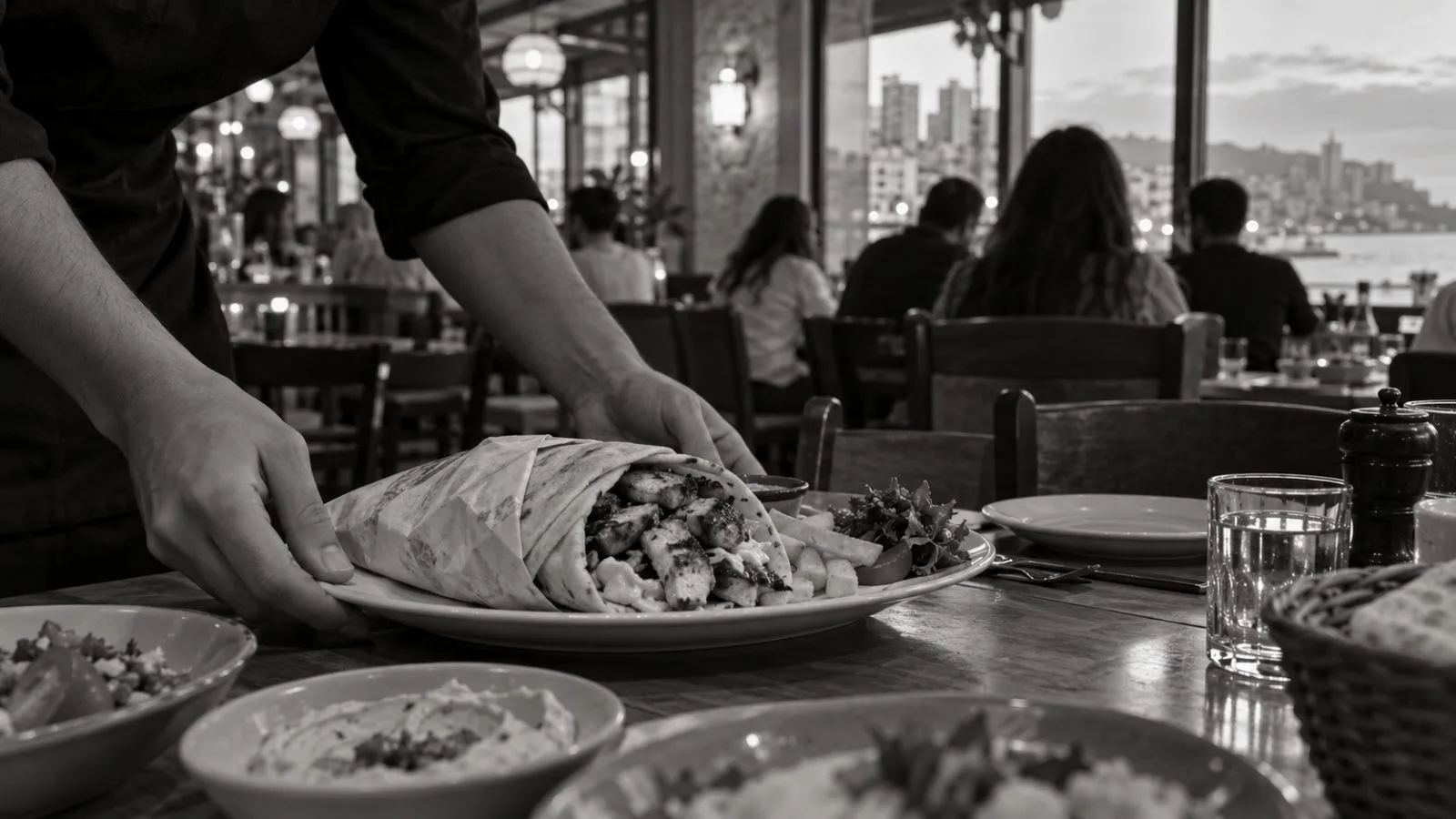
Managing partner Hrag Jeghalian told Reuters that customers bought more than 20,000 of The Glow Paradise’s $13 Chic Taouk sandwiches over 11 days, a striking tally amid widespread household hardship.
The Glow Paradise launched the Chic Taouk, a sandwich based on shish taouk. At roughly $13, it costs almost twice as much as a typical chicken sandwich in the city. Reuters reported social media users split between accusing the restaurant of charging too much and arguing it served customers who could afford it. Jeghalian described the online exchange as “natural marketing.”
Economist Sami Nader of Saint Joseph University of Beirut told Reuters that 22 restaurants closed in September 2026, even as diners filled The Glow Paradise. He said Lebanon’s middle class had “disappeared,” linking its decline to a range of upheavals: the 2019 financial system collapse, the Beirut Port explosion in 2020 and two wars within less than two years. Reuters linked the 2019 collapse to decades of corruption and excessive spending by the ruling elite, while saying subsequent conflict further damaged Lebanon’s economic outlook.
The World Bank said Lebanon’s GDP had fallen nearly 40% since 2019 and projected inflation of 17.5% in 2026, with higher global energy and shipping costs adding price pressure. The U.N. children’s agency said in September 2026 that 80% of Lebanese households struggled to pay for essential items.
Private generators supply electricity to many homes and businesses when the national grid fails. Reuters reported monthly bills from private generator operators rose nearly 20% in August 2026. Kilowatt-hour prices set by Lebanon’s Energy Ministry were nearly 60% above February 2026 levels. Round-the-clock generator service can cost several hundred dollars each month, against a $400 minimum wage. Restaurant worker Fouad Fakhreddine, 53, from Hamra, said: “We are now getting paid, then getting in debt over that just to get by.”