Rick Wurster, CEO of Charles Schwab, said overnight trading makes up just 1% to 2% of total market volume, highlighting the liquidity and volatility risks of markets with fewer participants.
A smaller pool of buyers and sellers can widen the bid-ask spread, or the gap between the highest buying offer and lowest selling price. That friction can increase trading costs, while a large order or breaking news can move prices sharply. Schwab lists thinner liquidity, wider spreads and greater volatility among the drawbacks of trading beyond regular hours.
More than 1,100 securities are available in Schwab’s 24/5 overnight service on its thinkorswim platform. Overnight orders expire at 8 p.m. ET on each market day, while trading is generally busiest from 8 p.m. to 9 p.m. ET and from 3 a.m. to 4 a.m. ET.
Wurster said some traders may find limited value in establishing positions on Sunday night. His comments reinforce Schwab’s view that overnight access complements rather than replaces regular-market trading.
Schwab said two of its overnight-volume records occurred in 2025. Activity reached a high during tariff-related news on April 7, followed by another record June 12 amid tensions in the Middle East; the latter session exceeded twice the average nightly volume.
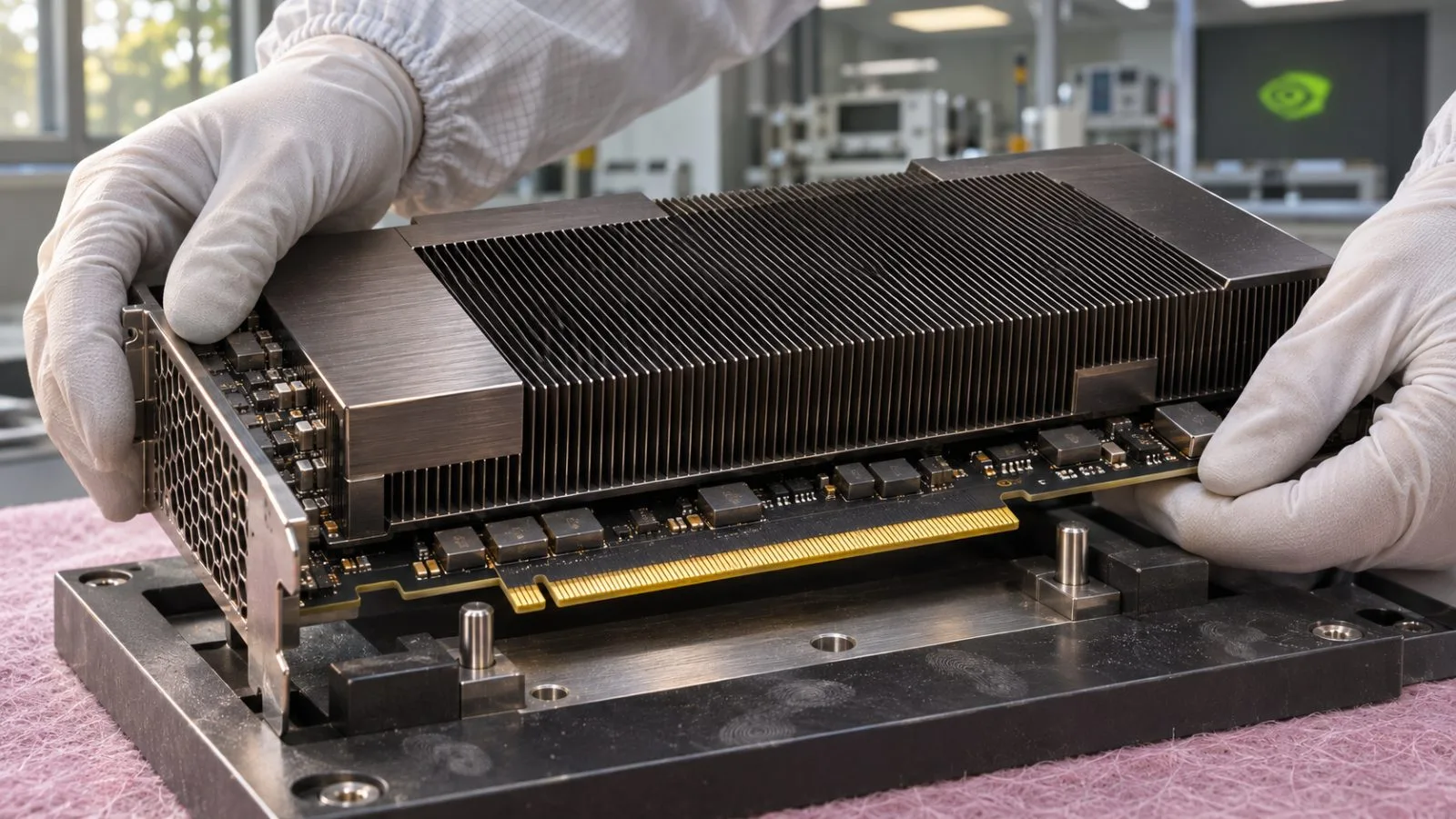
Tesla, Nvidia and NIO have ranked among the most active securities in Schwab’s overnight trading since February 2025.