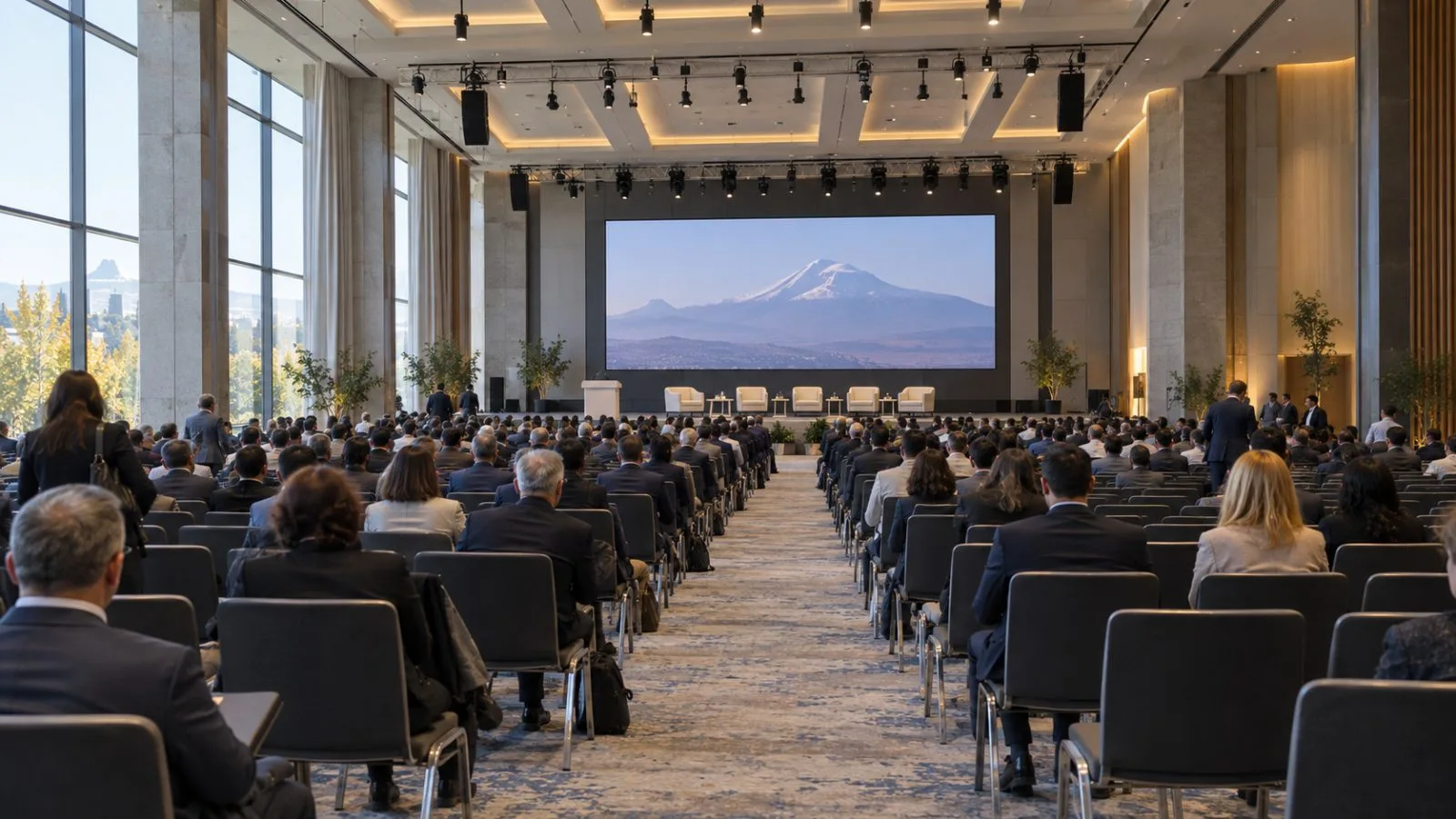
Governments meeting in Yerevan, Armenia, face a $200 billion annual biodiversity finance target for 2030 and lagging conservation commitments as they begin the first global review of their 2022 agreement.
The 17th Conference of the Parties to the Convention on Biological Diversity (CBD), known as COP17, is reviewing the Kunming-Montreal Global Biodiversity Framework. The agreement sets 23 targets for 2030.
At the Oct. 15 release of its assessment, the CBD said nearly 90% of its 196 parties had set national targets. Fewer than half of the national targets assessed by parties were on track, a gap highlighted in earlier coverage of COP17’s opening and the CBD assessment.
The $200 billion goal covers annual biodiversity funding from all sources. Within it, the framework calls for at least $30 billion a year by 2030 in international finance from developed countries and others voluntarily taking on those obligations to developing countries and countries with economies in transition.
The CBD says private biodiversity finance remains underdeveloped. Its implementation review classified just one-quarter of national targets highly aligned with reforming harmful incentives as on track.
The framework also calls for effective conservation and management of at least 30% of land and inland waters and at least 30% of coastal and marine areas by 2030. Based on current commitments, a separate analysis cited by the CBD projects 27.5% coverage for land and inland waters at that deadline.
The CBD attributes biodiversity loss to altered land and sea use, unsustainable pressure on species, climate change, pollution and the spread of invasive alien species. It says damage to ecosystems threatens access to food and water, people’s health and livelihoods, and economic resilience.
“We know where we stand. We know where the gaps are,” CBD Executive Secretary Astrid Schomaker said when the assessment was released. A ministerial high-level segment is scheduled for Oct. 27-28, before the conference ends Oct. 30.