Bitcoin (BTC) miners faced a lower computing threshold for producing blocks after a 9.13% difficulty cut, while mempool.space data showed network computing power below its level a week earlier.
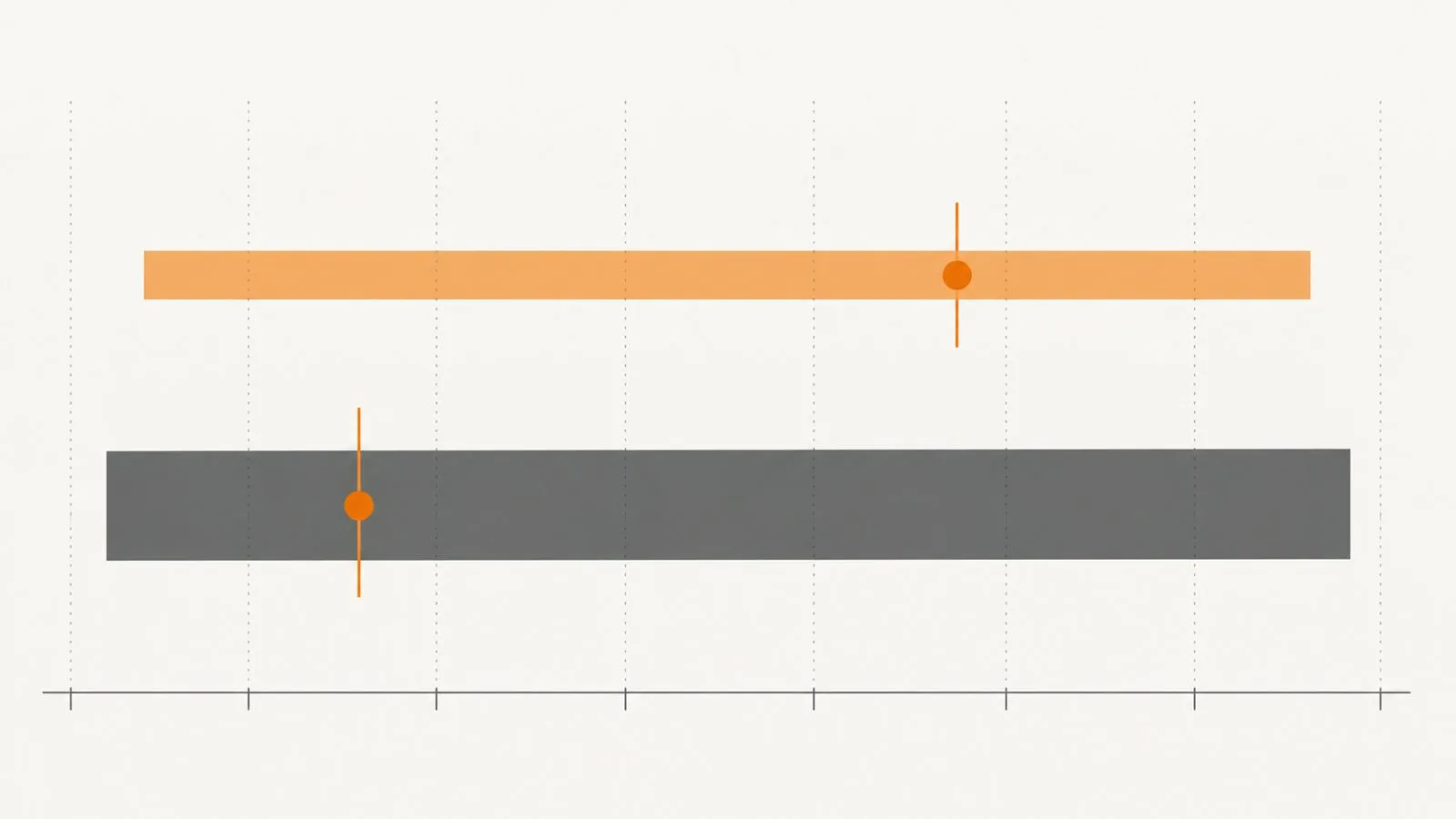
The adjustment took effect at block 975,744, setting difficulty at 134.82 trillion, mempool.space data showed. Hash rate measured 906.93 exahashes per second (EH/s), compared with 1,001.01 EH/s a week before. The weekly mean was 902.76 EH/s, and the average interval between blocks came to 9 minutes and 22 seconds.
The protocol revisits its difficulty target after each 2,016-block cycle, roughly every two weeks. The recalibration is designed to keep blocks arriving near a 10-minute pace as the network’s computing capacity changes. A lower difficulty setting reduces the computing work required to produce blocks.
Of 23 adjustments in 2026, 11 raised difficulty and 12 lowered it. The latest level also remains below the 155.97 trillion record set Oct. 29, 2025, a comparison discussed in EconoTimes’ earlier coverage of the gap below that peak.
Mempool.space’s estimate placed the next adjustment at block 977,760, about 14 days and 15 hours away. Its projection indicated a further 6.47% decline, which would put difficulty at 126.10 trillion.