Bitcoin (BTC) still reacts more strongly to U.S. core Consumer Price Index (CPI) surprises than before March 2020, despite a weaker response since the Federal Reserve’s 2022-23 rate-hike cycle, BitGo Research found.
The analysis covered 108 U.S. core CPI releases. BitGo Research used 45 readings no more than 0.05 percentage points from the median forecast as a benchmark for Bitcoin’s five-minute return after each release. A reading could qualify for that group without matching the forecast exactly.
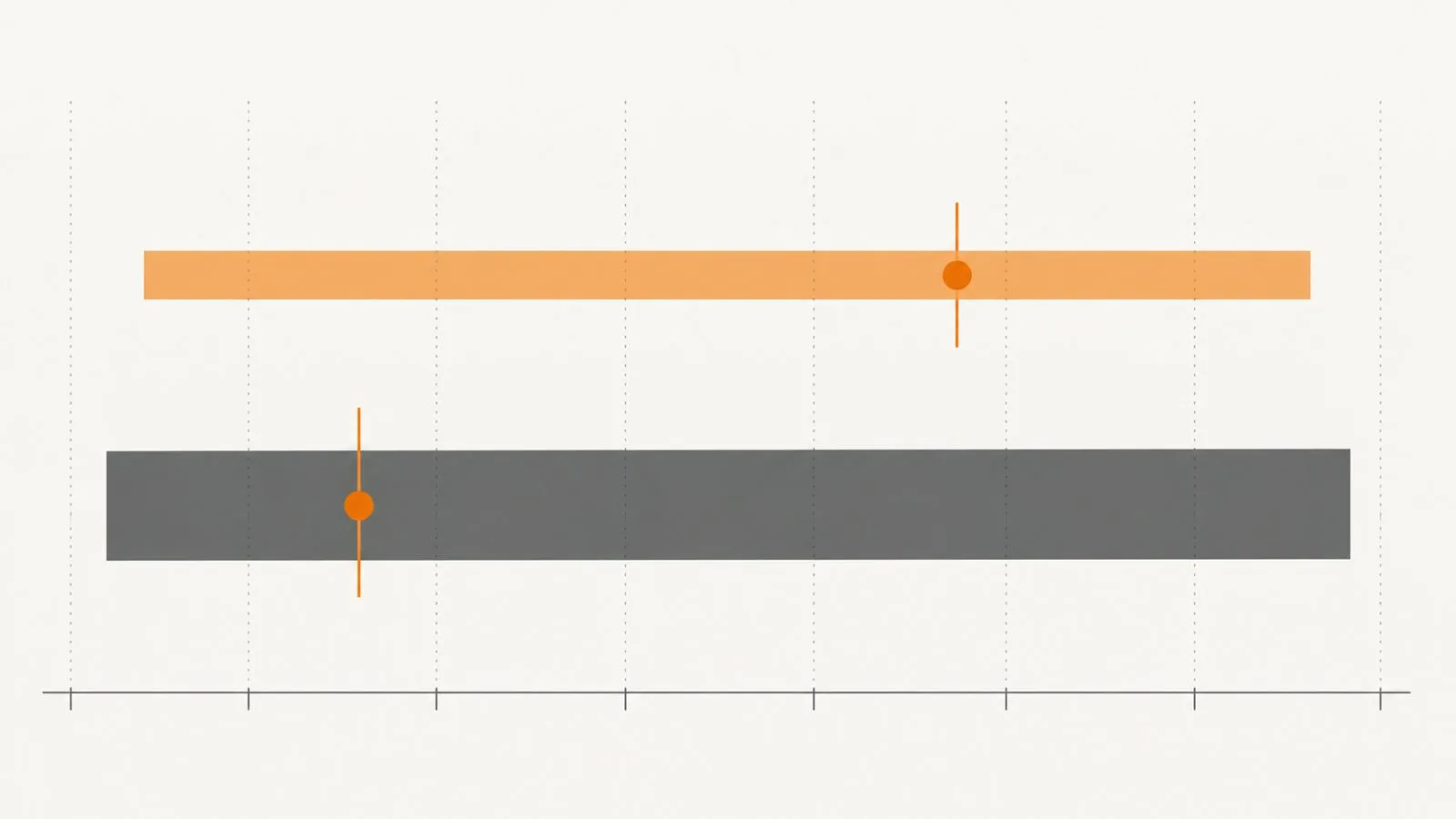
For releases since 2024, five-minute returns after hotter-than-forecast readings averaged 0.6% below returns for the baseline group. After cooler readings, returns averaged 0.5% above the baseline. Those averages describe groups of releases, not a standard move after every inflation report.
BitGo Research found the largest five-minute differences during the rate-hike cycle. The response later eased but remained stronger than in the study’s comparison period, which ran from September 2017 through February 2020. Results measured over 30 minutes were less consistent than those in the first five minutes.
The latest example in the study was the September inflation release on Oct. 14. The Bureau of Labor Statistics (BLS) said core CPI rose 0.3% from August. BitGo Research said the increase was 0.1 percentage point above the median forecast; five minutes after the release, Bitcoin was down 1.2%. EconoTimes previously covered the September inflation report.
The researchers used prices from Binance’s BTC/USDT market and measured returns in overlapping five- and 30-minute windows beginning at the 8:30 a.m. ET data release. In UTC, those releases began at 12:30 during daylight saving time and at 13:30 at other times. The study records prices around announcements but does not identify the traders behind transactions or assess Bitcoin’s performance over longer periods.
The BLS plans to release the next CPI figures at 8:30 a.m. ET (13:30 UTC) on Nov. 10.