


 Epic Games Delays Disney Shooter, Shifts to AI-First Development
  Apple Supplier Luxshare Faces US Patent Probe, Sees Limited Impact
  XRP Price Drops 3% Despite Ripple-Backed Evernorth Nasdaq Debut
  OpenAI Revenue Hits $50 Billion, Below Earlier $70 Billion Estimate
  Bitcoin Price Drops as US Dollar Hits 18-Month High
  Robinhood Chain Eyes Priority Gas Auctions for Faster Trades
  Ethereum Foundation-Linked Wallets Move $11.13M in ETH to Kraken
  Meta Launches Muse Wonder AI Models, Shares Rise 3.7%
  Apple Names Steve Smith M&A Chief in Leadership Shakeup
  Samsung, SK Hynix Shares Plunge as China Chip Competition Grows
  TSMC Q3 Revenue Beats Estimates as AI Chip Demand Surges
  Oracle Uses Trucked Natural Gas to Power AI Data Centers Amid Pipeline Delays


 Add as a preferred source on Google
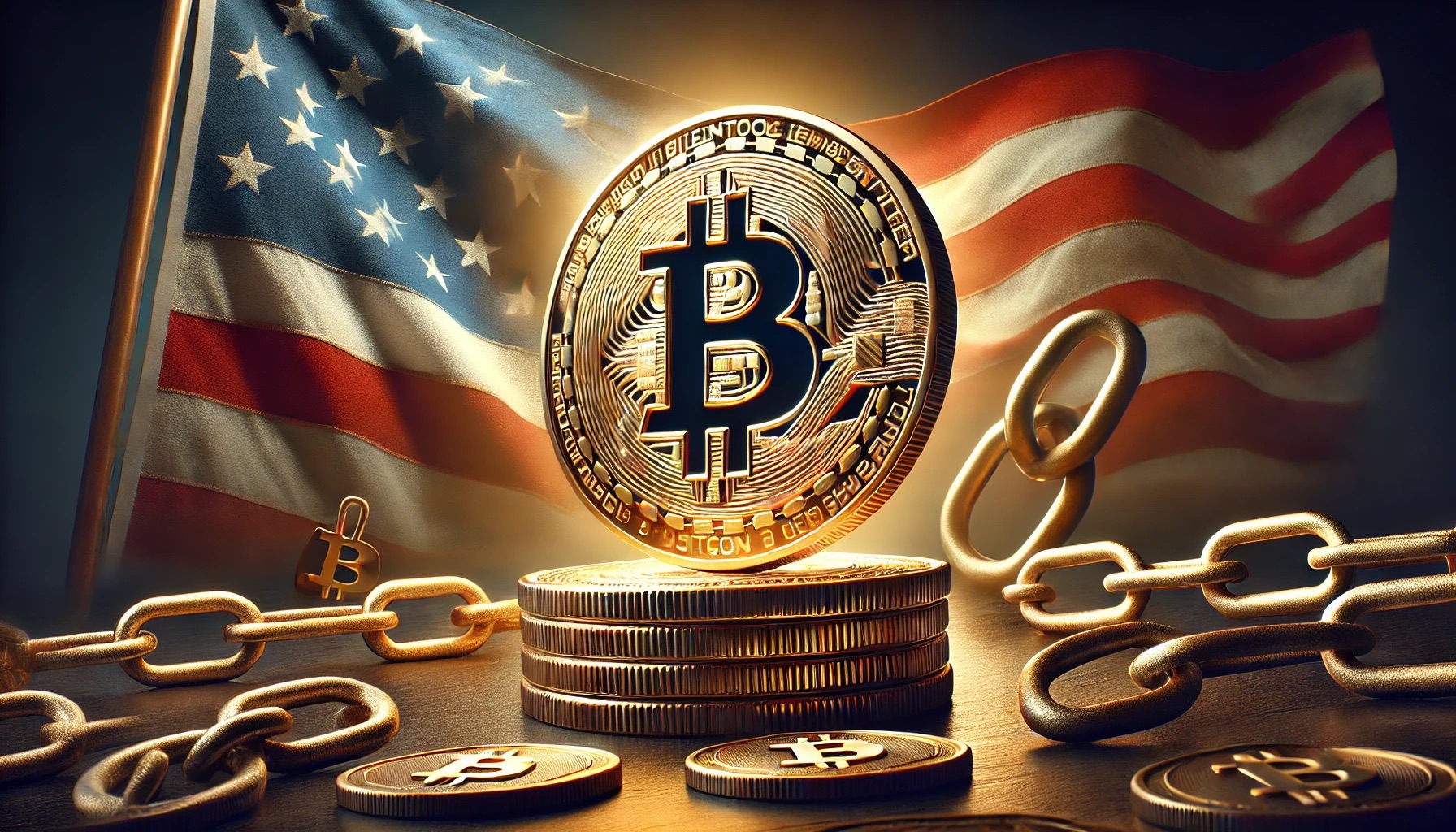
Charles Hoskinson, co-founder of Input Output Global, cautions that while Bitcoin becoming a US reserve asset might drive up its price, it could also centralize control, threatening the cryptocurrency's decentralized ethos.
Proposal for Bitcoin as US Reserve Asset Stirs Debate
Though it would be a positive price stimulus, Charles Hoskinson believes that the prospect of Bitcoin being designated as the US reserve asset creates serious centralization concerns for the first cryptocurrency on the planet.
A recent presidential contender, Robert F. Kennedy Jr., suggested the idea of making Bitcoin a national reserve asset by pledging to buy 4 million Bitcoin, or more than $242 billion in today's market, through an executive order.
According to Charles Hoskinson, co-founder of Input Output Global and Cardano, that would account for 19% of the Bitcoin supply.
Cointelegraph was informed by Hoskinson:
“It’s a mixed bag. On one hand, it would be great for the price of Bitcoin, and it would be great for US regulation of Bitcoin because the United States would be pro-Bitcoin in a certain respect.”
After a five-month low of $49,500 on August 5th, caused by this week's $510 billion crypto market sell-off, Bitcoin has lately mounted a 21% comeback above the $60,000 barrier.
The first cryptocurrency, Bitcoin, is impenetrable and secure due, in part, to its decentralized supply distribution.
Nevertheless, Hoskinson cautioned that the United States ownership of 19% of the Bitcoin supply could lead to undesirable outcomes:
“On the other hand, it also means that if things happen the US disagrees with because it has a strategic interest in the asset, it may use its geopolitical power to change that. So, be careful who you welcome in and be careful of the powers of those people…”
One Bitcoin wallet, with a holding of 248,000 BTC valued at $15 billion as of August 9th, represents 1.26% of the supply. According to BitInfoCharts, Binance is the biggest cryptocurrency exchange in the world, and this wallet is associated with it.
Uncertainty Over US Holding Majority of Bitcoin Supply
Although the specific consequences of the United States possessing the vast majority of Bitcoins are not yet apparent, according to Hoskinson, this typically indicates apprehension for other global assets:
“Traditionally, this is done by conventional regulators, especially with commodities. We don’t like the idea of somebody buying up 20% of the world’s oil supply or something like that. So, that would be a cartel.”
According to Hoskinson, regular people can now invest in cryptocurrencies like Bitcoin and Ether using exchange-traded funds (ETFs):
“They’re going to make it more accessible to certain geographies, certain age groups and also certain risk profiles. And that’s where Wall Street makes all of its money.”
Crypto ETFs to Impact Bitcoin’s Market Role
Additionally, Hoskinson anticipates a plethora of other crypto ETFs, including an ADA ETF, in the future as the crypto ETF floodgates have opened on Wall Street. Furthermore, he stated:
“You can’t stop people from buying or creating financial products to aggregate things together or allow accessibility to happen. So, ETFs are an organic thing, and they occur after the markets reach a certain level of maturity, both in terms of participation and regulation.”
Cointelegraph spoke with Charles d'Haussy, CEO of the dYdX Foundation, who said that the first Ether staking ETF might be paved the way for in the European markets. This would be a major breakthrough for the acceptance of cryptocurrencies.







