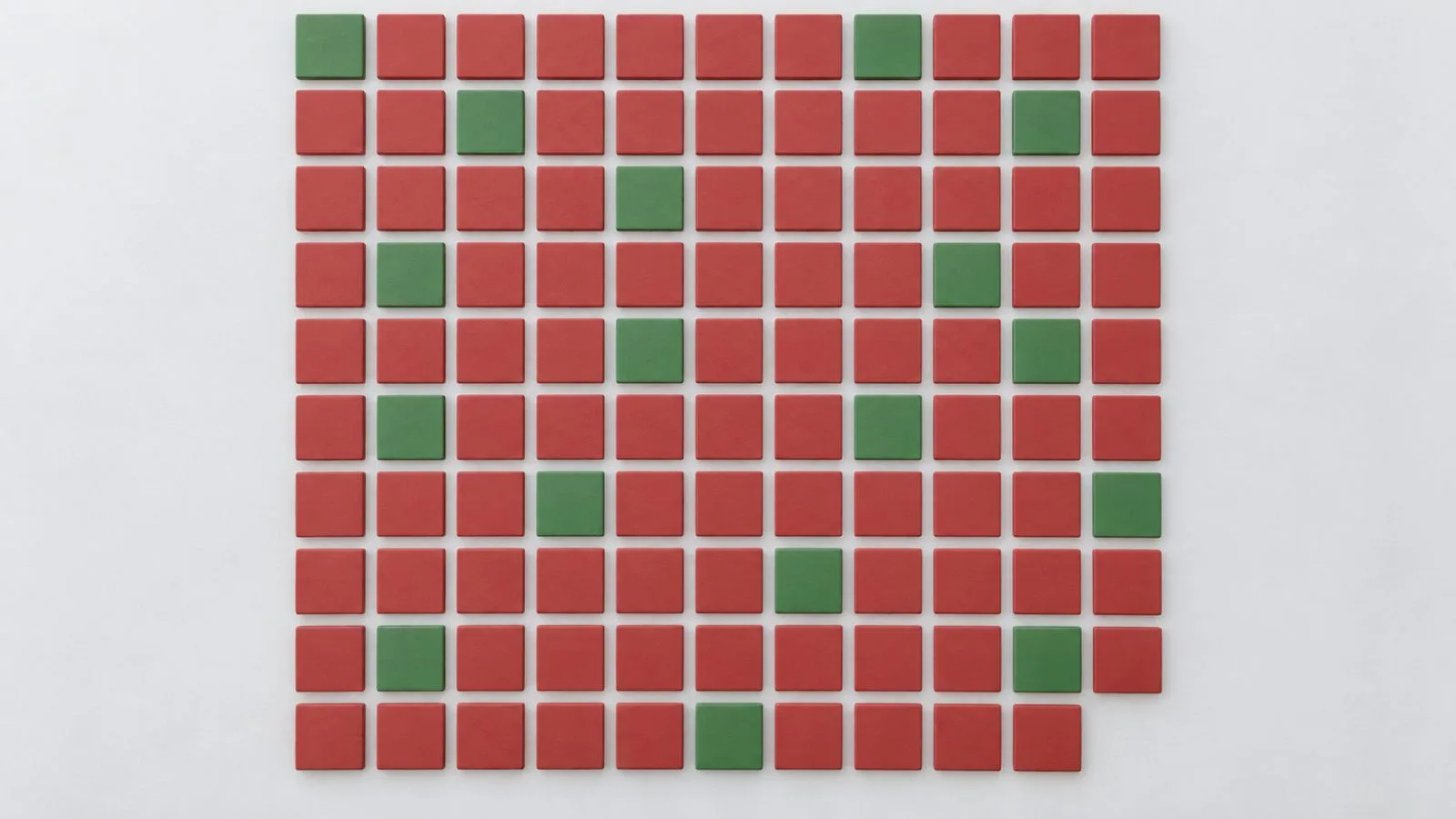
Blockchain is a bit like a communal diary that almost every computer has a copy of. It's not controlled by a single person, bank, or company. Everybody can see the same pages and the same words. If someone wants to put a new line, such as a transaction, they have to inform all the others. Other computers then verify if the new line conforms to the rules. If most computers give the green light, they all note down the same new line in their diaries. After that, no one can, of course, secretly delete or alter old lines.
In case a few computers crash, get hacked, or go offline, the notebook is still operational because the other copies are there. There isn't a "main office" that can close it down or stop you. This is known as "distributed" - the power and the data are spread all over the place. It is also "peer-to-peer" - every computer communicates directly with the others, without a middleman. This is the reason why governments, banks, or hackers are not able to easily stop or censor it.
Such a system stays trustworthy because thousands of unknown people are watching and verifying each other. In a nutshell: multiple copies, everyone checking, and no boss make it s