


 U.S. Government Moves Over $100M in Bitcoin and BNB
  Robinhood Buys $25 Million in Bitcoin for Corporate Treasury
  Litecoin Marks 15 Years as Grayscale Backs LTC ETF Push
  Bitmine to Stop Ethereum Buying After Reaching 5% ETH Supply
  Ethereum Price Drops Below $2,600 as Long Liquidations Hit 4-Month High
  Crypto Market Selloff Wipes Out $100B as Bitcoin Falls Below $83K
  Evernorth XRPN Nasdaq Listing Delayed to October 12
  Kazakhstan and Tether Explore Tenge Stablecoin and RWA Tokenization
  The Great Liquidation: A BTC and ETH Futures & Options Data Dashboard Review of Oct 7
  Solana User Growth Jumps 33%, Outpacing Ethereum and Chainlink


 Add as a preferred source on Google
Bitcoin and the underlying blockchain technology are already creating waves in the financial sector with many people considering it as the next big thing since the internet.
The blockchain technology is nothing but a decentralized public ledger that no one person or company owns or controls; users control it directly. This means it allows anyone to follow the movement of a bitcoin, from where it originated to where it currently resides. The technology is not just limited to bitcoin but has much broader applications.
Imogen Heap is the latest admirer of the blockchain technology and believes it could potentially provide a solution to music industry's woes. An article on The Guardian sheds light on the problems faced by artists in the music business and how Heap is trying to fix the problems with blockchain.
Heap is an award-winning songwriter and performer and has released four solo albums that have enjoyed commercial success in the UK and the US. She's also the only female artist to have won a Grammy for engineering.
As digital files can be reproduced and shared infinitely, it results in more consumption and lower average returns; the question arises about how the "creators", such as the writers, artists and musicians will get paid for it.
Some efforts have been made in this regard as Spotify, iTunes and YouTube have come with ways of monetising music and have been paying royalties to artists. Spotify charges premium users a monthly fee to listen to everything on its catalogue. YouTube came up with something called Content ID and the copyright owner gets to decide what happens to the content: whether to remove the material, "monetise" it or leave it and collect data about usage.
Heap started brainstorming ideas on releasing future music, after the release of last year's album, Sparks. It was then that she was introduced to blockchain technology by her musician friend, Zoë Keating.
"I started researching the tech," says Heap, "as I realised that the building blocks for a sustainable, useful ecosystem for music was coming into view. So I decided to release my new song in the way I think things should go, and help build the place I want my music to be a part of."
Mycelia, as she calls it, would completely transform the music industry. Instead of supplying songs to multiple locations, it would enable uploading the single authenticated version of a song or album that everyone could draw from in one place. She is inviting techies and hackers to collectively build Mycelia, or something similar, using Tiny Human, her next song, as the test case.
"One day, I hope a Mycelia-like place will exist: huge, beautiful, rich, colourful, loved, tended for; holding all music-related information ever recorded anywhere; connecting artists and fans and enabling the artist to be the best at their job, with incredible feedback loops, connecting dots that exist in ways we can't even imagine today."

- News

- Economy

- Central Banks
- Investing
- Research
- Roundups
- Digital Currency
- Insights
- Technical Analysis
- Technology
- Business
- Law
- Health
- Nature
- Fintech
- Science
- Topic
- Opinions
- ©Econometrics LLC . All Rights Reserved.
Blockchain technology to transform music industry
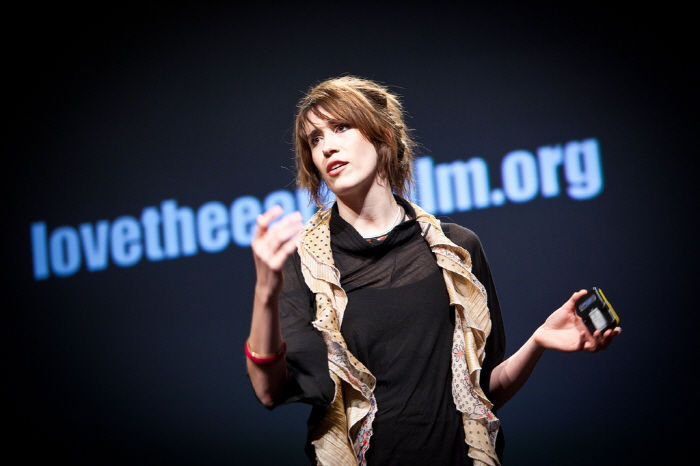
Imogen Heap - PopTech 2010 - Camden, Maine (PopTech_Flikr)
Wednesday, September 9, 2015 5:20 AM UTC
Editor's Picks



- Market Data
Most Popular




