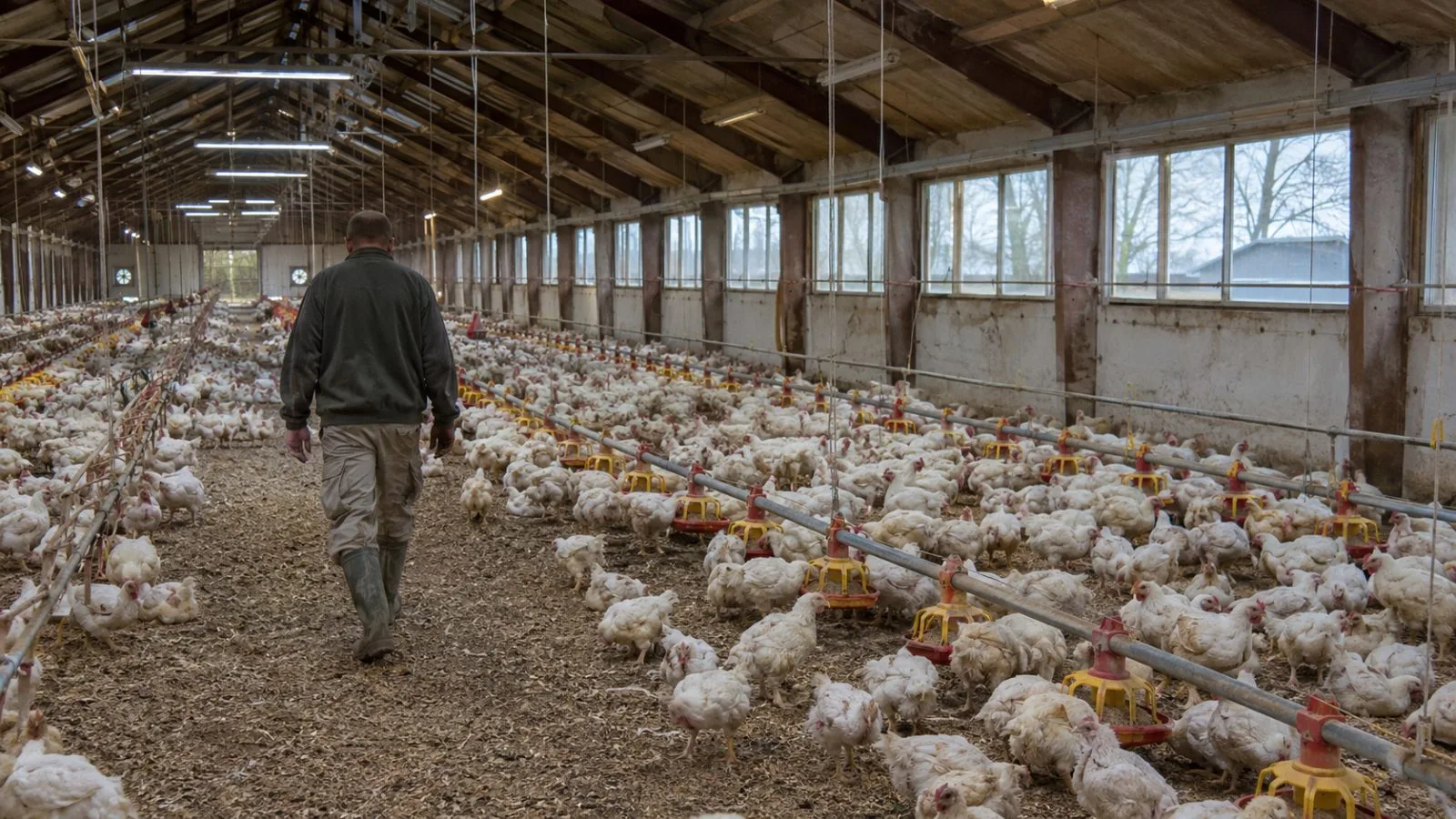
Veterinary and farming representatives told MPs that vets could offer only supportive care for affected animals, while farmers faced livestock losses, reduced production and higher costs.
The Department for Environment, Food & Rural Affairs’ latest tally lists 2,917 premises in England, 500 in Wales and 55 in Scotland. The department labels 3,472 as the 2026–27 season total; its England table covers July 10 through midnight Oct. 29.
The government counts affected premises, not individual animals, so the total is not an animal case count. The committee said the number of animals affected was likely much higher, while the precise death toll remained unknown. The premises figure therefore records the outbreak’s reach by location, not its full animal toll.
The committee described the outbreak as the worst year on record. At its Nov. 3 hearing, MPs examined testing delays, vaccine uptake and effects on farming, while considering lessons ahead of next year’s midge season.
Dr. Gwen Rees, president of the British Veterinary Association, told MPs vets had no direct treatment for bluetongue and were limited to supportive care. She called the outbreak “a major animal welfare crisis.”
Catherine McLaughlin, chief animal health and welfare adviser at the National Farmers Union, described livestock deaths and fertility losses, weaker production, higher staffing and veterinary costs, and disruption to breeding and sales. She said farmers faced “severe emotional pressure and stress.” Her account covered both losses in farm output and added day-to-day expenses.
Rees said vaccine costs, uncertainty about infection risk and tight farm margins had discouraged some farmers from getting preventive shots before the outbreak took hold. The committee said it was examining lessons from the season ahead of next year’s midge season.