


 Elon Musk Donates $366 Million to 2026 US Midterms
  Albertsons Seeks $9.3 Billion From Kroger Over Failed Merger
  Hong Kong’s Second Solana ETF Launches With Lower Fees
  Most Americans Oppose Election Betting on Prediction Markets, Poll Finds
  FAA Warns US Airlines Over Saudi Arabia Flight Risks
  Moonshot AI Executives Seek Settlement Ahead of Hong Kong IPO
  PepsiCo Slashes Poppi Earnout Valuation as Growth Slows
  Yandex Data Center Hit by Drone Strike as Russia-Ukraine Cyber Infrastructure Attacks Escalate
  Syndax Stock Drops 15% After Axatilimab Trial Failure
  Apple Supplier Luxshare Faces US Patent Probe, Sees Limited Impact
  Orsted to Take Full Ownership of UK Offshore Wind Farm for £15 Million
  Uber Exits Four African Markets Amid Rising Competition
  TSMC Profit Set to Surge 65% as AI Chip Demand Drives Record Earnings
  Morgan Stanley Predicts $10 Trillion RWA Market by 2030
  Bank of America Predicts Yen Rebound as USD/JPY Faces Risks
  INWIT Shareholders Explore $7.1 Billion Take-Private Deal
  Coinbase CEO Backs SEC Accredited Investor Reform


 Add as a preferred source on Google
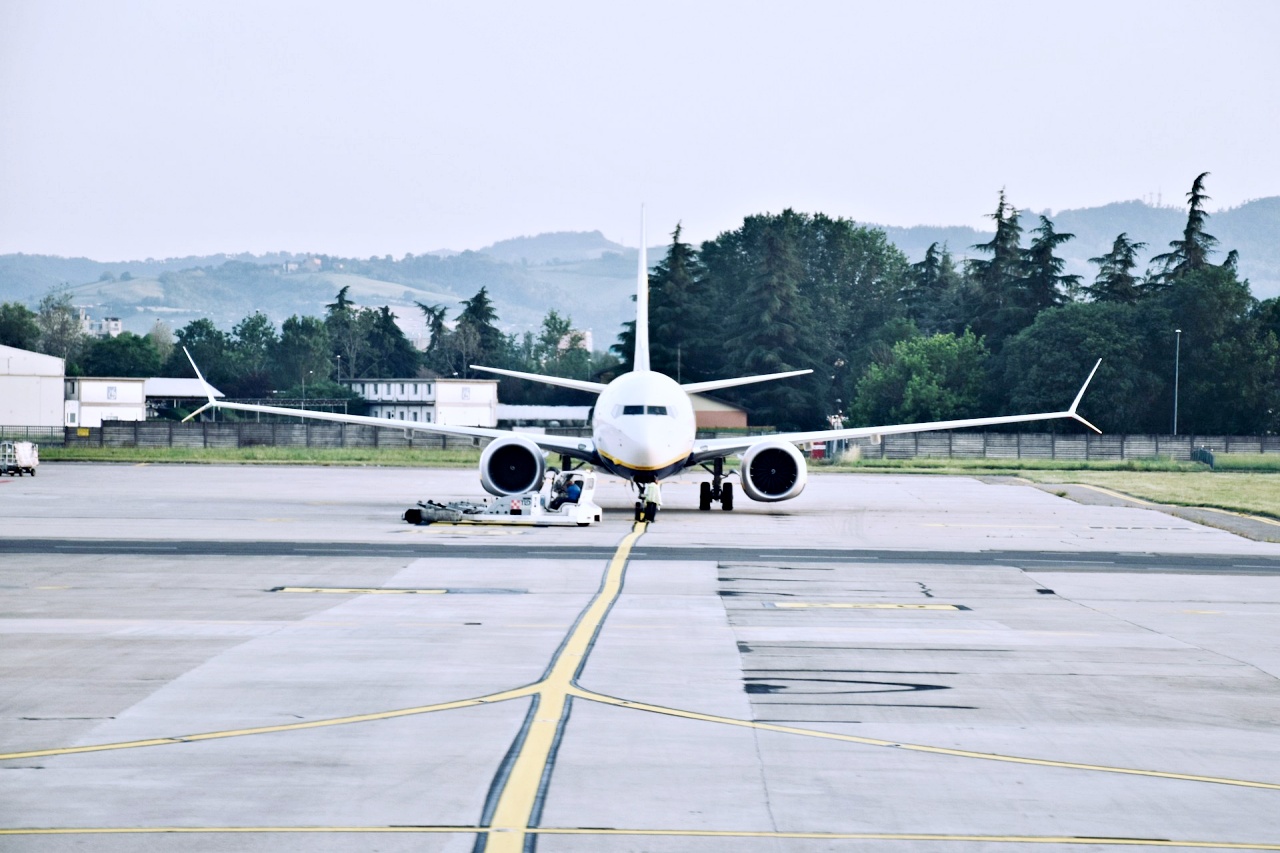
Boeing 737 Max 9 planes may return to service as the Federal Aviation Administration (FAA) cleared the planes after inspections. However, before the grounded aircraft can fully resume flights, airlines must adhere to the extensive inspection and maintenance process which the FAA laid out for them.
The Boeing 737 Max 9 jets were temporarily grounded after the door plug of an Alaska Airlines flight blew off mid-flight earlier this month. The door plug in the plane is secured in place by a row of stop fittings along with a set of bolts to prevent the door from moving up and flying off while airborne. In the case of the Alaskan Airlines plane involved in the incident, its door plug reportedly moved upward.
FAA’s Approved Inspection Criteria
According to CNN Business, Boeing’s chief executive officer, David Calhoun, confirmed the FAA finally approved a new set of inspection standards for all the 171 grounded 737 Max 9 units. The approval is crucial because it is part of the process that will allow the planes to return to operations.
Then again, it is not clear how long the inspection will last before the aircraft are fully cleared to resume flights. Each of the grounded planes is required to go through the comprehensive inspection process which will now include the checking of bolts, fittings, and guide tracks for the door plug which is the exact component that flew off in the Jan. 5 incident of the Alaska Airlines Flight 1282.
FAA Halted Boeing’s Production Expansion
While the pathway for Boeing 737 Max 9 jets to resume flights was cleared, the FAA firmly said it would not allow the aircraft manufacturing company to continue with the expansion of its production. Forbes reported that Boeing is now allowed to produce more Max planes, including the 737-9 Max units.
“We grounded the Boeing 737-9 MAX within hours of the incident over Portland and made clear this aircraft would not go back into service until it was safe,” Mike Whitaker, the administrator at FAA, said in a press release. “The exhaustive, enhanced review our team completed after several weeks of information gathering gives me and the FAA confidence to proceed to the inspection and maintenance phase.
He further stated, “However, let me be clear: This won’t be back to business as usual for Boeing. We will not agree to any request from Boeing for an expansion in production or approve additional production lines for the 737 MAX until we are satisfied that the quality control issues uncovered during this process are resolved.”
Photo by: Arno Senoner/Unsplash







