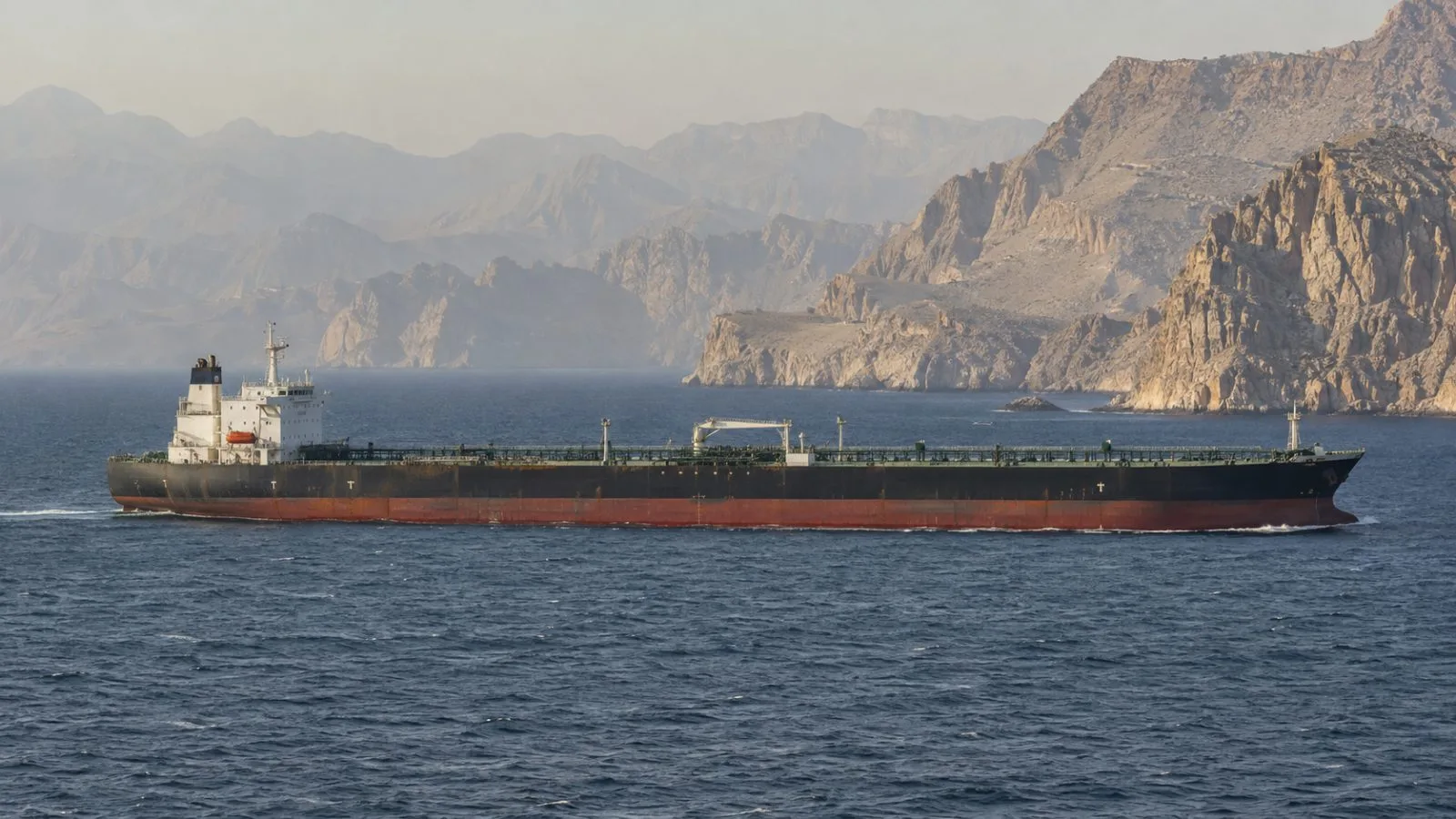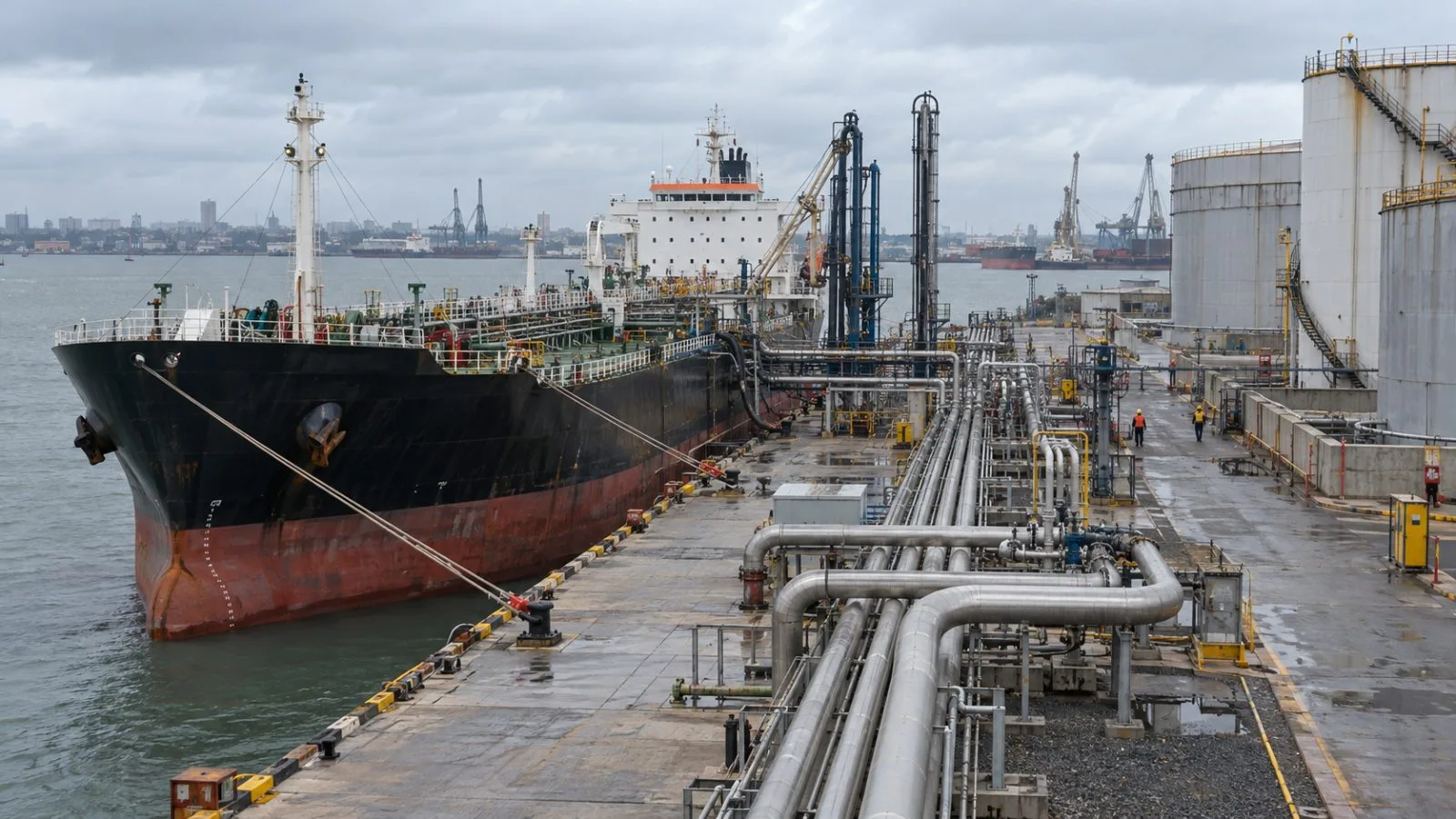
Botswana is widening its imported-fuel options through talks with Aliko Dangote and a diesel shipment from Oman, adding supply routes for a landlocked country that depends on petroleum imports.
Minister of Minerals and Energy Bogolo Kenewendo described the talks in an interview with Bloomberg, saying the government had also approached suppliers in Angola and Côte d’Ivoire about fuel supplies.
Kenewendo said storage near the coasts of Mozambique and Namibia would support those import corridors. Botswana Oil Limited (BOL) also lists South Africa as a route. Its monthly demand breakdown assigns 57% to the southern corridor, 35% to the northern and 8% to the western. BOL says its strategy aims to diversify routes and find a cost-efficient supply model.
Oman Observer reported that BOL announced it had received about 20 million liters of diesel supplied by OQ Trading. The cargo reached Mozambique’s Port of Matola on Oct. 9. Oman Observer quoted BOL describing the delivery as “the beginning of new possibilities” for Botswana’s energy future.
Dangote has also outlined pipeline proposals for the region. BusinessDay reported in September that a proposed pipeline of more than $3.5 billion and 2,650 kilometers would link Namibia, Botswana and South Africa. S&P Global described a different route concept from Walvis Bay through Botswana to Zimbabwe and Zambia, with possible extensions to South Africa and the Democratic Republic of Congo. The reports give different endpoints and no construction timetable. Namibia’s environmental portal lists the Farm 58 subdivision review for the proposed Walvis Bay site as in progress and says the storage facility would need a separate assessment.
Botswana’s National Energy Policy says the country imports refined petroleum because it has no proven crude oil reserves or refineries. In a March 26 parliamentary update, Kenewendo said average Brent crude prices rose from $69.37 per barrel in February to $97.23 per barrel by March 26; she put the daily March 26 price at $107.81 per barrel. She said Brent reached $119.50 per barrel on March 9.
Kenewendo linked the price spike to Middle East tensions, shipping attacks and threats to tanker traffic through the Strait of Hormuz. She also told lawmakers that spot-market purchases had raised local importers’ costs, while the National Petroleum Fund had too little capacity to shield pump prices from the full increase.