A fuel-price shock linked to the Middle East conflict is squeezing consumers and public budgets unevenly, with import-dependent developing economies more exposed, UN Trade and Development (UNCTAD) said.
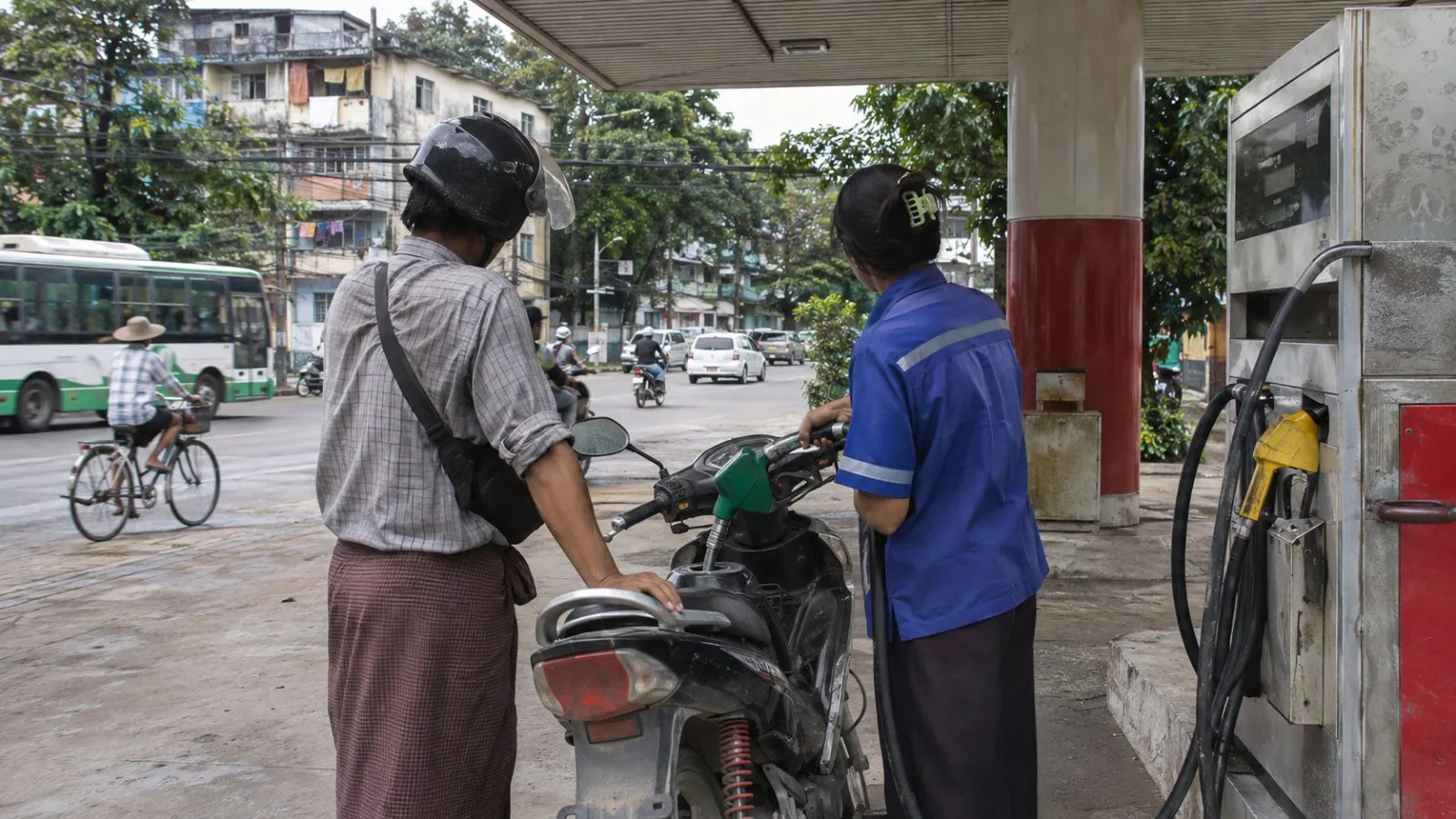
For gasoline, Myanmar's price gain reached about 51%, while Sweden's was 3%. Diesel moved most in Nigeria, where prices climbed about 83% between late February and the end of August; Ireland's increase over that period was 9%.
UNCTAD said domestic pump prices depend on policy and currency conditions as well as crude costs: tax and subsidy decisions, local pricing arrangements and exchange-rate shifts all affect what motorists pay. Reliance on imported fuel adds another pressure point for economies when oil prices rise.
In 2023, Cabo Verde's net fuel imports — purchases from abroad after export earnings are deducted — amounted to one-quarter of its gross domestic product. Lebanon's were nearly one-fifth. A larger fuel bill leaves less money for other imports, including food, medicine and equipment. UNCTAD said governments already facing budget pressure have less room to shield households from higher costs.
Higher diesel costs can also reach households through freight and distribution. Businesses pay more to move goods, and consumers may face those costs in the prices of everyday purchases.
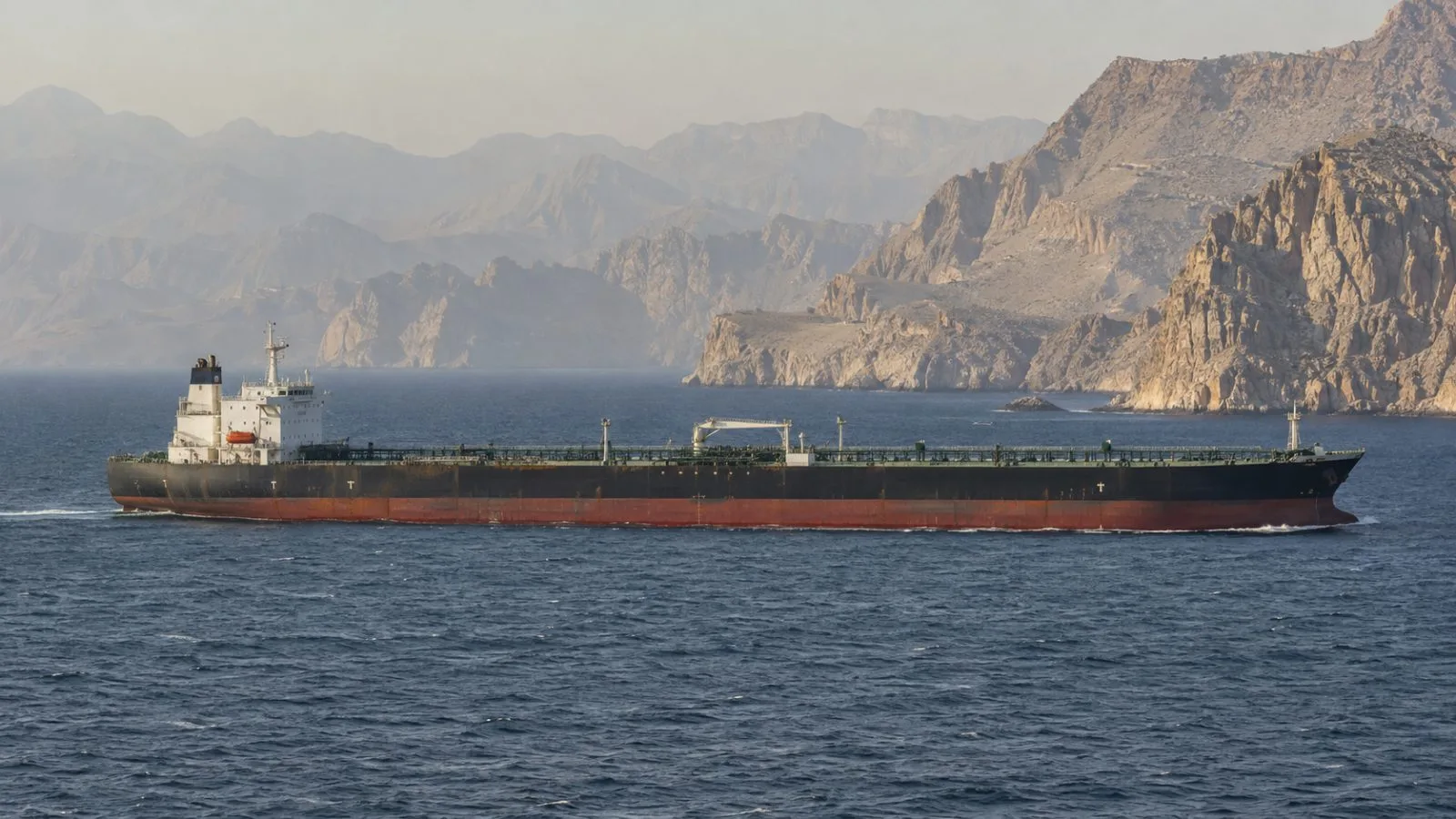
Brent crude was near $70 a barrel in January and above $120 by March, following February's closure of the Strait of Hormuz. The waterway normally carries about one-fifth of global oil. Brent eased from April through June as diplomatic efforts advanced, then rose again after negotiations broke down and fighting restarted.
UNCTAD's report recommends broadening energy supplies and investing in affordable renewable power. The agency said wind and solar are less vulnerable to geopolitical shocks and cannot be depleted. It also said renewables cost less than the cheapest new fossil-fuel alternatives in more than 90% of cases.