Brazilian authorities are monitoring Awá people who live in isolation after approaches near a government post and a Guajajara village in Arariboia, citing health concerns and a policy of non-contact.
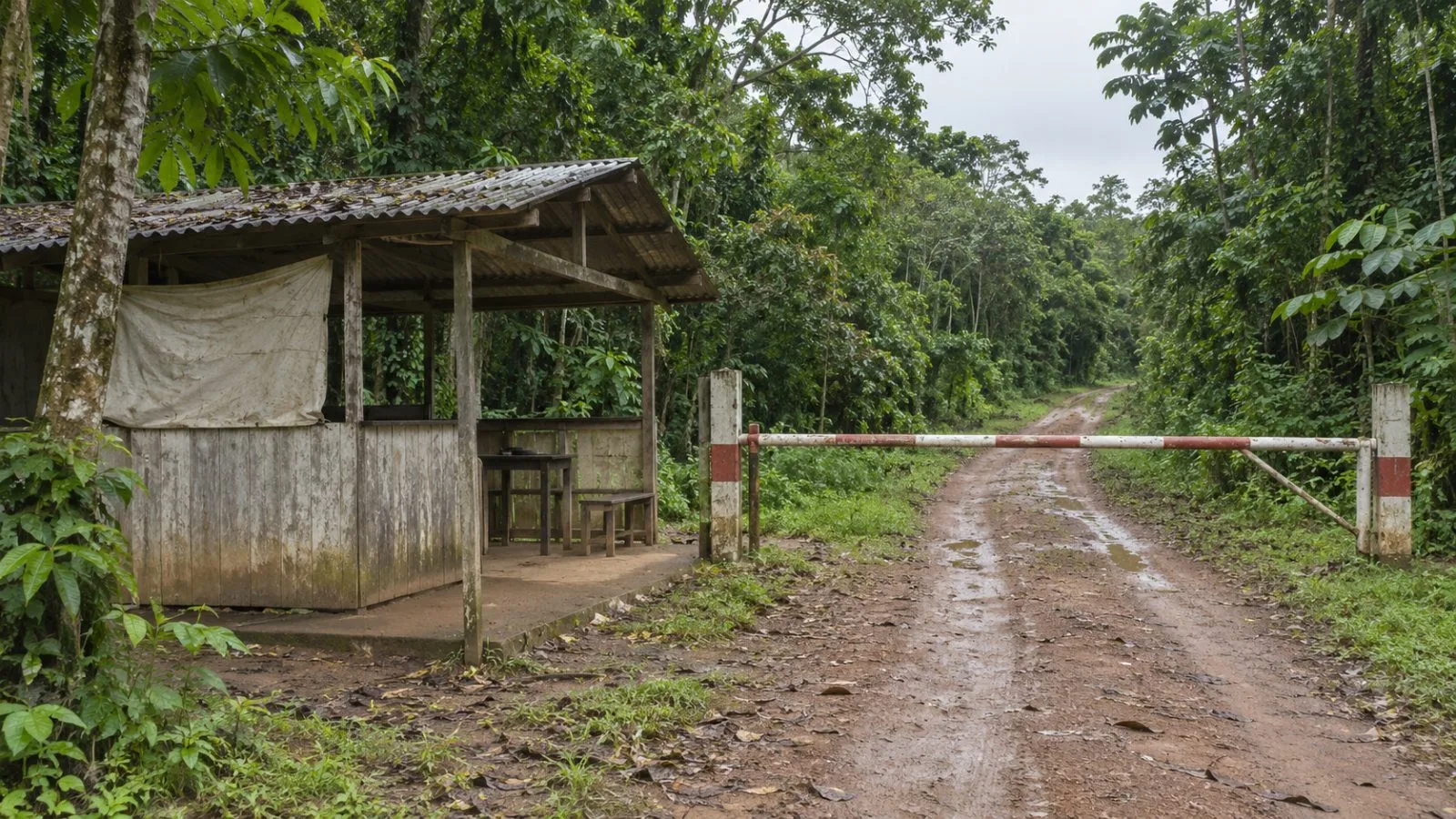
The Ministry of Indigenous Peoples (MPI), the National Foundation of Indigenous Peoples (Funai) and the Indigenous Health Secretariat (Sesai) said the activity began Nov. 16 near a Funai access-control post and Tawari, a Guajajara village in Maranhão state. Officials described the information as preliminary.
Funai teams and Indigenous health personnel are working in the area, the agencies said. A situation room is coordinating responses to possible contact and the risk of outbreaks or epidemics.
Brazil’s policy follows a principle of non-contact and aims to protect the Awá’s health, autonomy and territory. Officials said a brief approach does not by itself show that the Awá have chosen to leave isolation or begin ongoing contact. Because the group has had little exposure to some infectious agents, the agencies said, illnesses common elsewhere may pose serious danger.
Survival International estimates about 20 people approached and says they requested yams to take back into the forest. The government’s public statement does not give a group size or mention the food request.
The reason for the approach has not been established. Survival International cites incursions by illegal loggers, hunters and cattle ranchers in Awá territory. The Guajajara Forest Guardians say fires and encroachment are making the territory less secure for Awá hunting and gathering. COAPIMA said reports had not linked a particular invasion to the latest approach.
Funai reported signs of isolated Indigenous people in fire-affected parts of Arariboia in September 2025. It said teams pulled back fire brigades because of the risk of direct contact. The government also said its situation room was activated that year amid fire risks and approaches involving isolated Awá and other groups.
Survival International Director Caroline Pearce said the situation “puts otherwise self-sufficient Indigenous people in real danger.” The government said monitoring is continuing.