


 Australia Plans New Rules Giving Users Control Over Social Media Feeds
  Trump Open to Chinese Automakers Building Cars in US
  Australia Defends Social Media Algorithm Law Amid US Concerns
  DOJ Will Investigate AI-Related Crimes, Attorney General Blanche Says
  US Sailor’s Father Detained by Immigration Authorities
  Banking scandal rocks Brazil’s politics and the country’s presidential election in October
  Nvidia CEO Jensen Huang Expected at Trump-Xi State Dinner
  Saudi Arabia Shuts East-West Oil Pipeline After Drone Attack
  SEC Seeks ISS Client Voting Records in Proxy Adviser Probe
  Saudi Arabia Raises Security Alerts as Houthi Attacks Threaten Oil Routes
  Texas Republicans Turn Against AI Data Centers as Election Backlash Grows
  US Bans Canadian Alcohol, Motorcycles as Trade War Escalates
  Trump Administration Pauses Visa Appointments Worldwide
  New Zealand Labour Backs Social Media Ban for Under-16s
  China’s Global Times Slams Anthropic CEO’s AI Slowdown Plan as ‘Cold War’ Strategy
  Judge Blocks Trump Rule Limiting Foreign Student Visas
  Trump Touts $5,000 Checks if Republicans Win Congress


 Add as a preferred source on Google
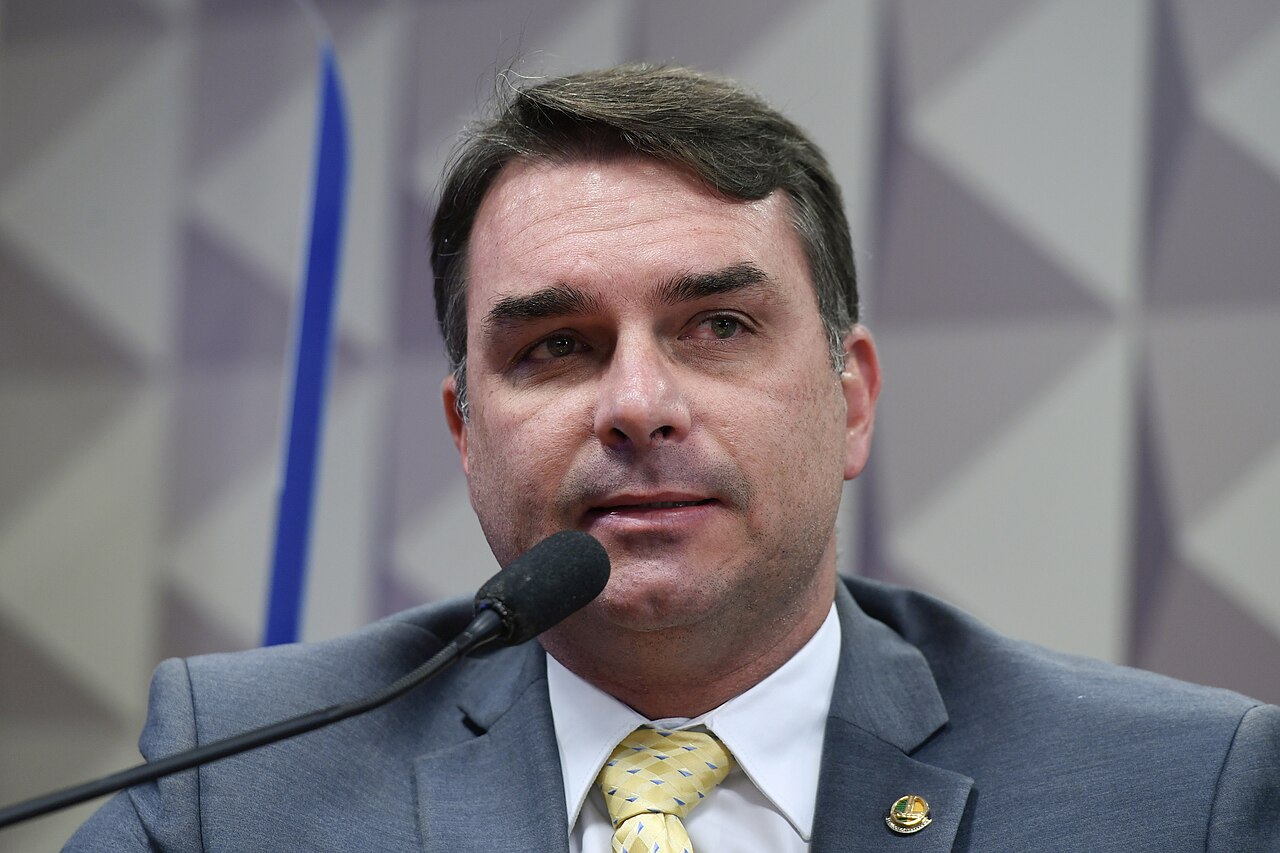
Brazil has denied visa requests for two Trump administration officials who planned to visit the country ahead of its October presidential election, according to two Brazilian officials familiar with the matter. The move comes amid concerns that the proposed visit could undermine confidence in Brazil’s electoral system.
The officials, who spoke anonymously because of the sensitivity of the issue, said Brazil rejected the visa applications on Friday after concluding the planned delegation could be used to influence the election. The delegation was expected to include Assistant Secretary Riley M. Barnes of the U.S. State Department’s Bureau of Democracy, Human Rights, and Labor, along with Deputy Assistant Secretary Samuel Samson.
One Brazilian official said authorities found evidence suggesting the visit was part of a renewed effort to politically exploit the election and cast doubt on the credibility of the country’s voting process. The U.S. State Department has not commented on the decision, while Senator Flavio Bolsonaro, who is running in the election, did not respond to requests for comment.
The reported visit follows a broader pattern of President Donald Trump’s administration publicly supporting conservative political figures across Latin America, including Argentina’s Javier Milei, Chile’s José Antonio Kast, and Colombia’s President-elect Abelardo De La Espriella.
Concerns over Brazil’s voting system have resurfaced as the election approaches. Former President Jair Bolsonaro repeatedly challenged the integrity of the country’s electronic voting system before the 2022 election, despite providing no evidence of widespread fraud. His efforts ultimately led Brazil’s Superior Electoral Court to bar him from holding public office until 2030. He was later convicted for plotting to overturn the election results and is currently serving a 27-year sentence under house arrest.
Senator Flavio Bolsonaro has continued raising questions about Brazil’s election system and recently urged foreign governments to send observers for the October vote. During a meeting with diplomats, he claimed Brazil’s electronic voting machines were produced by Smartmatic, a company tied to election-related allegations in Venezuela.
However, both Smartmatic and Brazil’s Superior Electoral Court told Reuters that the company has never supplied voting machines for Brazil. The senator later stated that he had not questioned the integrity of the country’s electoral system.







