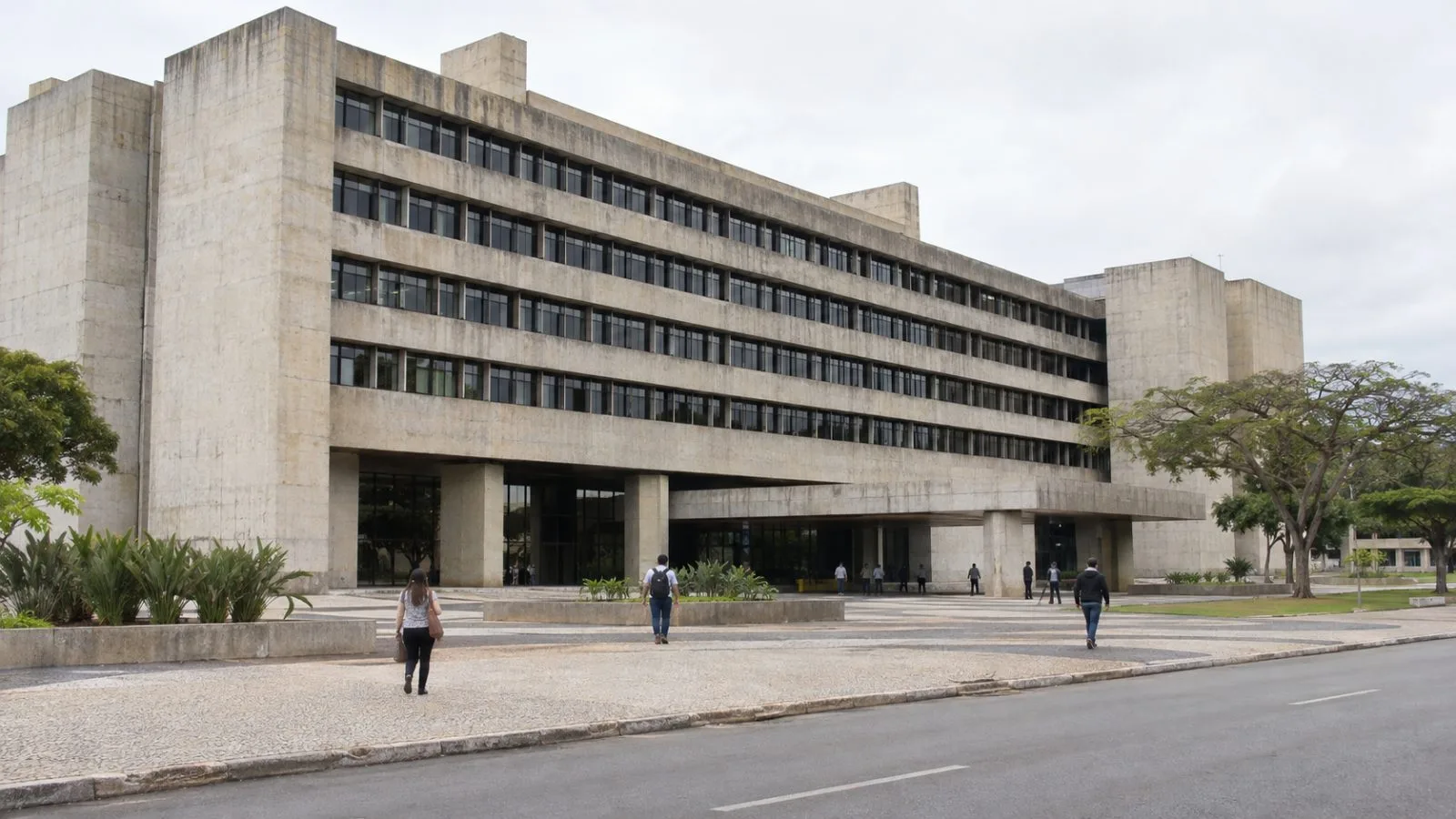
Brazil’s Monetary Policy Committee (Copom) held the Selic at 13.75% a year on Nov. 4, ending a five-meeting easing run as inflation indicators moved beyond the upper edge of the central bank’s target band.
The pause followed five consecutive reductions of 0.25 percentage point each from March through September. EconoTimes had previously noted the 13.75% target in its coverage of Brazil’s post-election currency markets. Reuters reported that the Copom vote was unanimous.
The Banco Central do Brasil (BCB) said headline inflation and the average of underlying measures had risen beyond the tolerance band’s upper limit. It also described a sharper cooling in domestic activity and said fiscal developments could affect monetary policy and financial assets. The BCB characterized its monetary stance as substantially contractionary, while saying its policy aims to guide inflation toward target, moderate activity swings and support full employment.
In its reference scenario, the central bank projected inflation at 5.6% for 2026 and 4.7% for 2027, followed by 3.5% in the second quarter of 2028, its stated policy horizon. Copom called for “serenity and caution” in setting policy.
FXStreet reported that Societe Generale economist Dev Ashish expects no change to the Selic through the second quarter of 2027. Ashish expects easing to resume once inflation expectations settle and the fiscal outlook becomes clearer, according to FXStreet. The forecast reflects Ashish’s view as reported by the outlet, not a commitment from Copom.
The BCB calendar lists the next Copom meeting for Dec. 8–9, with the decision due Dec. 9.