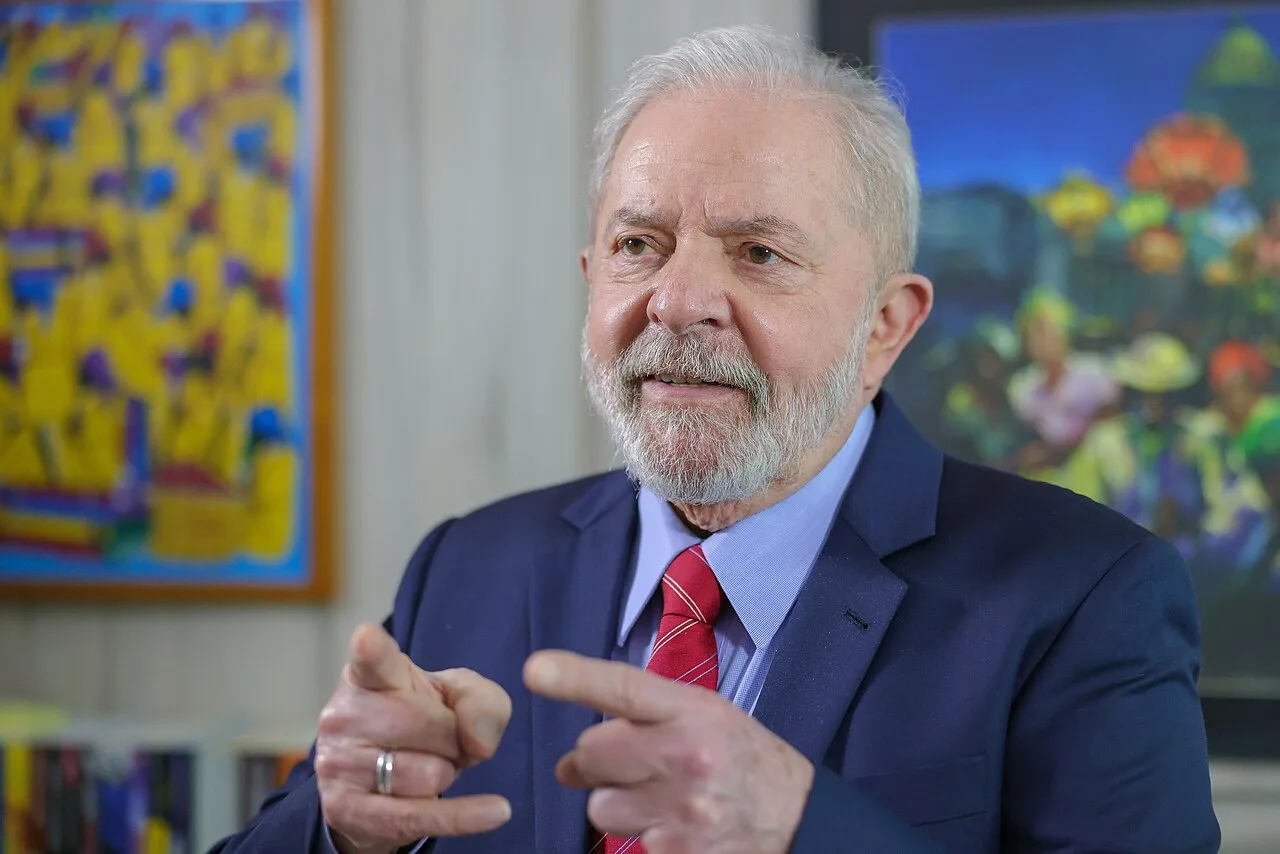
Brazilian President Luiz Inacio Lula da Silva has expressed support for lowering the minimum age of criminal responsibility from 18 to 16 for heinous crimes, marking a significant shift in the country's debate over public safety and juvenile justice.
Speaking in an interview with TV Globo's Jornal Nacional on Thursday, Lula said he favored stricter criminal accountability for minors involved in particularly serious offenses. However, he emphasized that the proposed change should be addressed separately from legislation currently being considered by Congress.
The announcement comes as Brazil prepares for a closely watched presidential election runoff on October 25, when Lula will face Senator Flavio Bolsonaro, the son of former President Jair Bolsonaro.
Bolsonaro unexpectedly finished ahead of Lula in the first round of voting, intensifying political competition over crime prevention, law enforcement, and public security policies.
The debate over Brazil's minimum age of criminal responsibility has gained momentum after opposition lawmakers proposed incorporating the measure into a government-backed public safety bill.
The legislation seeks to strengthen the federal government's authority in addressing crime and improving coordination on public security matters.
Opposition politicians, including Bolsonaro, have advocated broader changes to Brazil's criminal justice system. Their proposal would reduce the minimum age of criminal responsibility to 16 for offenses generally and further lower it to 14 for violent crimes.
Lula, however, has taken a more limited position, supporting the reduction to 16 specifically for heinous crimes rather than endorsing the opposition's wider proposal.
The Brazilian president also argued that changes to the criminal responsibility age should not be included in the pending public safety legislation because the bill addresses a different set of issues.
The disagreement has already affected the legislative timetable. A Senate vote on the government-supported public security bill, originally scheduled for Thursday, was postponed as lawmakers continued debating whether the criminal responsibility provision should be included.
The issue is expected to remain a major political talking point ahead of Brazil's presidential runoff, with both candidates seeking to demonstrate their commitment to tackling violent crime.
Lula's position highlights the growing importance of criminal justice reform in Brazil's election campaign, as lawmakers remain divided over how far the country should go in lowering the age of criminal responsibility.