With the U.S. midterms a week away, researchers testing image tools found only one major safety gain, while separate tracking documented false election claims across online services.
NewsGuard counted 432 appearances of 32 false claims about the midterms across 12 platforms as of Oct. 26. Its tracker also listed more than 256 social media accounts, 64 websites and 24 national cable news segments. Fourteen claims involved alleged election fraud. X accounted for 57% of confirmed instances, and the tracker traced 17 claims to the platform as their point of origin. The count covers varied types of claims and does not establish that they were all AI-generated.
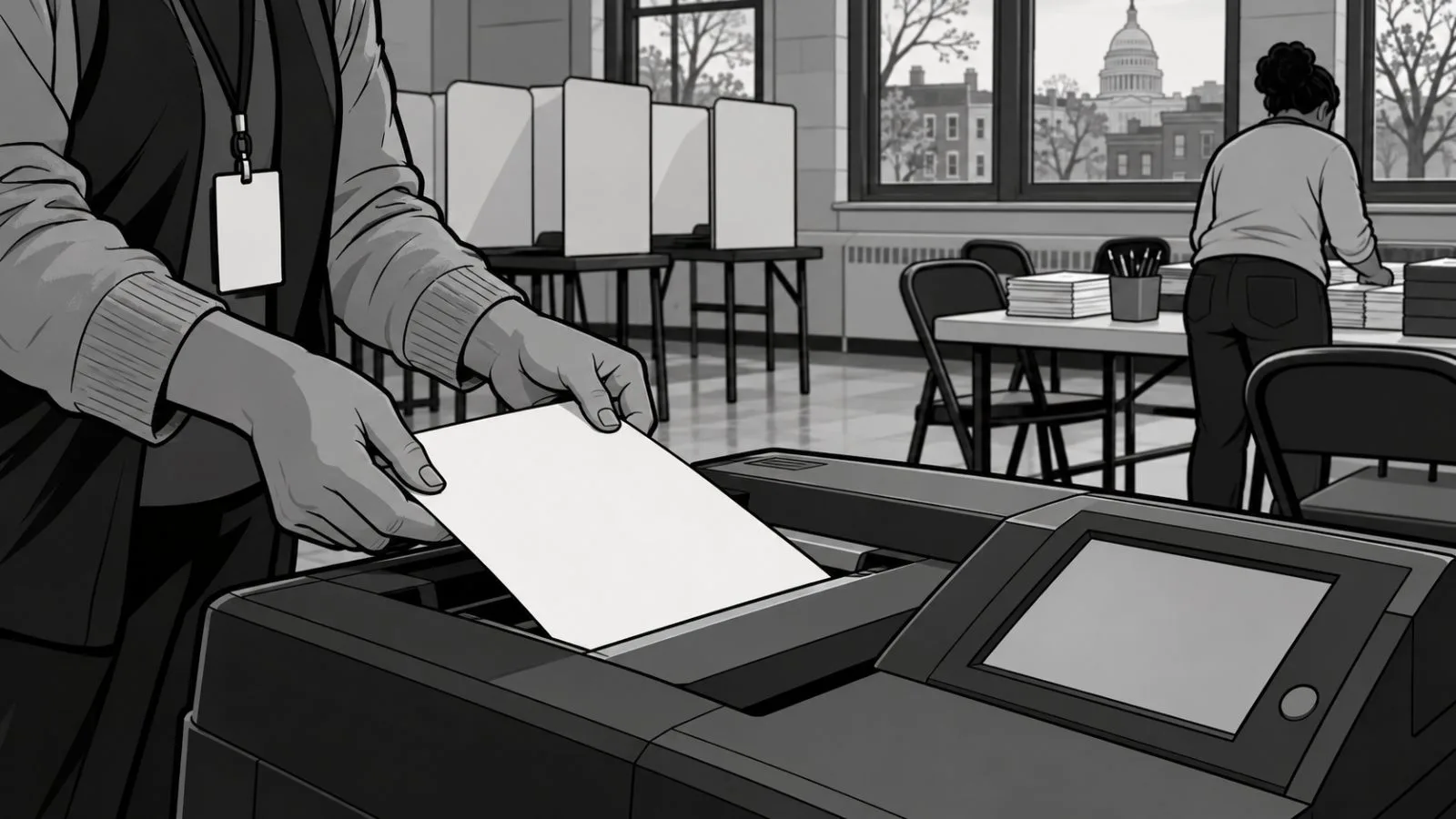
In a spring test, all six image generators assessed by the Brennan Center for Justice produced fake election material, including realistic ballot-related images and a purported government memo. The center’s October retest found significant safety improvement at one company; two made convincing fakes easier to create, while the others changed little. Meta AI generated an image of a fake draft executive order restricting mail voting after refusing the same prompt in April. Google’s Gemini made more realistic images than in the earlier test and showed no visible watermark, though an invisible digital watermark remained.
The Institute for Strategic Dialogue (ISD) reviewed Facebook, Instagram, X, YouTube, Snapchat and TikTok. It said platforms had moved some election oversight away from professional fact-checkers and trust-and-safety teams toward automated systems and user contributions. The report said companies disclose little about how AI features work or are tested, and researchers have little or no access to those systems. It also said the United States lacks a framework requiring platforms to disclose information or conduct risk assessments. ISD said “transparency has not kept pace with AI integration.”
Meta’s February election plan says the company continues to operate an Election Operations Center and uses industry signals, including C2PA, to label detected AI-generated material. It also describes Community Notes on Facebook, Instagram and Threads. Meta announced in January 2025 that it would end its U.S. third-party fact-checking program and shift to Community Notes.
The research measures claim appearances and image generators’ responses to test prompts, not how many voters saw the material or whether it affected their choices. The Federal Election Commission lists Tuesday, Nov. 3, as the next regularly scheduled federal general election.