Robin J Brooks argues that the Federal Reserve’s role in containing Treasury-market stress can soften pressure on U.S. officials to rein in borrowing, raising questions about the incentives behind fiscal discipline.
In a post published Oct. 26, Brooks looks back to March 2020, when Treasury yields climbed as the pandemic emerged. He contrasts the basis-trade account of the turmoil, which he calls the official explanation, with his view that markets pushed yields higher because investors anticipated massive deficit spending.
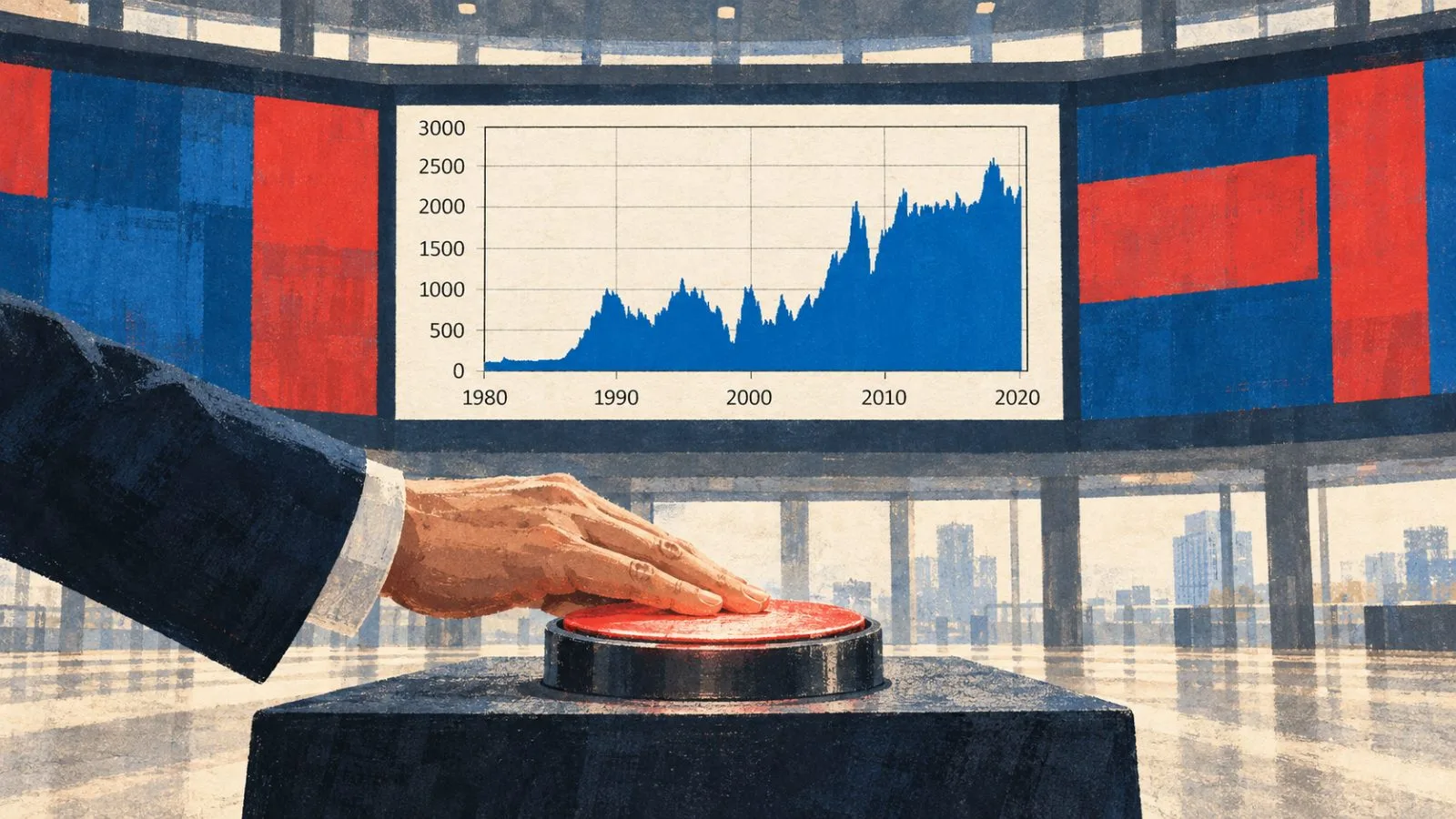
Brooks says the Fed’s emergency response and the quantitative easing (QE) program that followed helped create fiscal room by containing market pressure. His chart, he says, shows successive Fed bond-buying rounds growing larger. The pattern matters to his argument because he sees central-bank intervention as changing the cost officials face when they run deficits.
He also argues that later quantitative tightening (QT) did not return the Fed to its earlier balance-sheet position. In his reading of the chart, many Treasuries bought during QE remained with the central bank and were rolled over. Brooks contrasts that with QE’s original rationale in 2009: monetary support during downturns when interest rates were at the zero lower bound. He says the pandemic did not lead officials toward the cautious budgeting he believes uncertainty calls for; instead, he points to post-COVID arguments from Modern Monetary Theory proponents that deficits do not matter.
The result, in Brooks’ view, is that the Fed’s continuing Treasury holdings make market yields artificially low. He contends that rates would be much higher without Fed activity and argues that people who cite low yields as evidence that federal debt is manageable overlook the Fed’s role. That dynamic, he argues, leaves the U.S. fiscal outlook weaker than it appears.
Brooks extends the argument through a hypothetical shock: an AI bubble bursts, stocks fall 40% and U.S. economic activity contracts sharply. He says QE would likely return alongside fiscal stimulus, giving policymakers another way to limit market pressure and further reducing incentives to address deficits.