LONDON — Prime Minister Andy Burnham’s government has agreed a package with the European Union to reduce post-Brexit trade barriers, a step with wider implications for Britain’s commercial ties while postponing any decision on rejoining the bloc.
The measures cover food shipments, carbon-market links, fishing access and a proposed youth scheme. The UK government says the package could produce billions of pounds in annual economic gains, although those figures are projections rather than realized results.
Under the agri-food arrangement, Britain and the EU would operate a shared sanitary and phytosanitary zone. The government says exporters would no longer need export health certificates or plant-health certificates, and routine border checks would be removed. It says export health certificates can cost businesses as much as £200 per consignment.
Government figures show UK agri-food exports to the EU fell 21% from 2018 to 2024, while imports dropped 7%. The Cabinet Office estimates the food-and-drink agreement could add £5.1 billion a year to the UK economy.
The sides also agreed to connect their emissions-trading systems. The government projects up to £3.8 billion in annual economic gains, says about £6.5 billion of exports could avoid the EU’s carbon border mechanism and estimates exporters could avoid paying as much as £800 million into the EU budget by 2030.
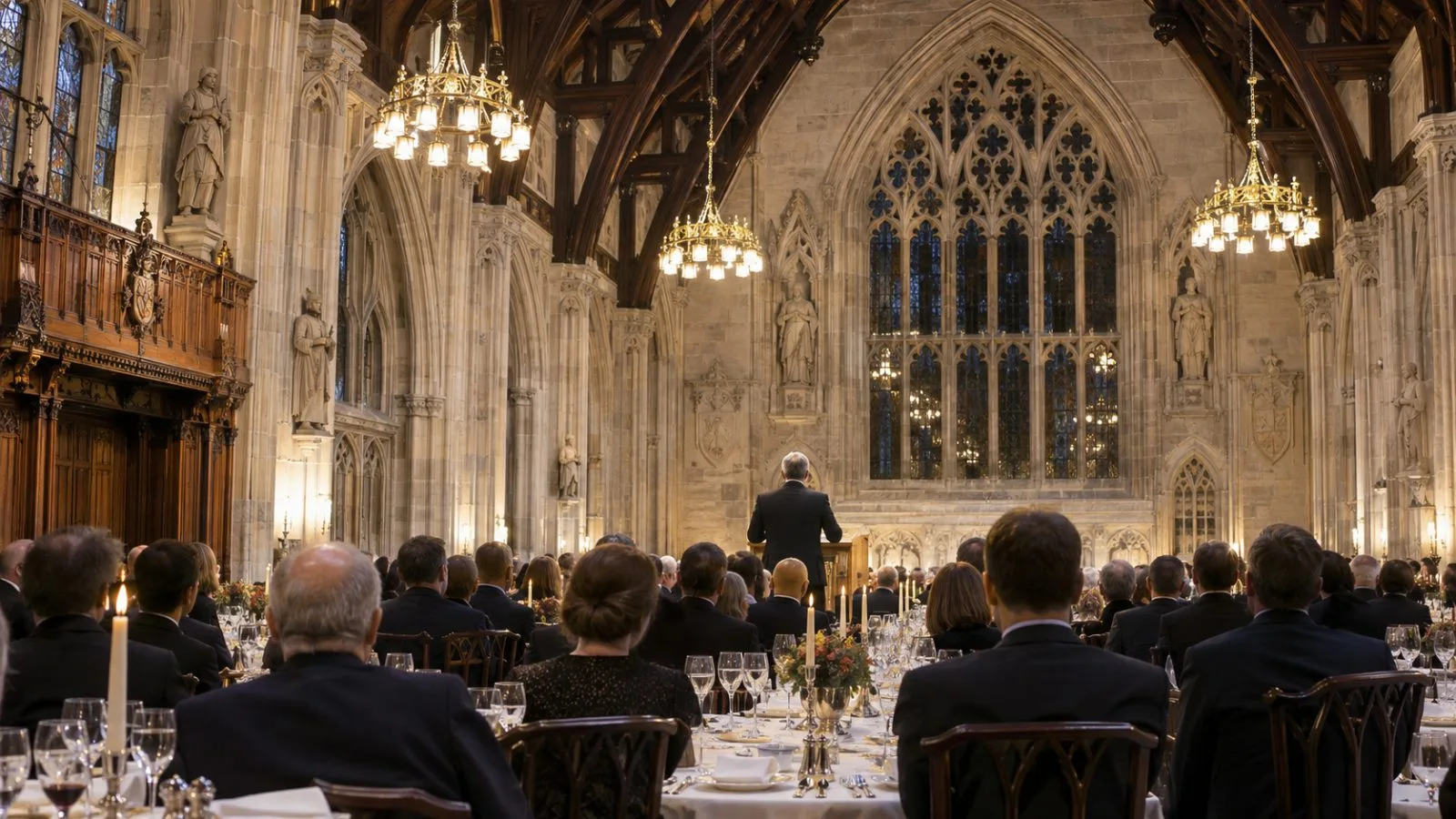
Burnham cited Brexit’s economic impact in arguing for closer practical ties. “We have lost more than we have gained in the last 10 years,” he said at the Lord Mayor’s Banquet on Nov. 16. “The hard Brexit we were given is not good enough for Britain.” He also cited an Office for Budget Responsibility estimate that Brexit reduced the British economy by 4%.
The package targets practical barriers under the existing Trade and Cooperation Agreement. Current policy excludes rejoining the EU, the customs union or the single market and rules out restoring free movement, while longer-term options will be considered in the next Parliament.
Under the fisheries arrangement, vessels from both sides retain access to the other’s waters for 12 years. The government values UK fishers’ access to EU waters at about £80 million a year and says the Brexit-era 25% transfer of EU quota shares remains unchanged, worth £175 million in fishing opportunities in 2025.
The Marine Management Organisation recorded 5,076 registered UK fishing vessels in 2025. They landed 675,000 tonnes of sea fish, while exports of fish and fish preparations reached 368,000 tonnes worth £2 billion. The fleet was 48% smaller than in 1995.
The youth experience scheme and possible UK association with Erasmus+ still require agreement on participation and financing. Burnham said lawmakers would receive implementing legislation the next week, followed by talks on longer-term relations after the summit.