British Prime Minister Andy Burnham said economic volatility left him with less room to act than he wanted in his first budget as prime minister, which provides £100 energy payments to eligible households from January 2027.
In an interview published Oct. 30, ITV News reported that Burnham said volatility limited what he could deliver. The Guardian reported that Burnham wanted higher energy support payments, but he did not specify an amount or outline other budget changes.
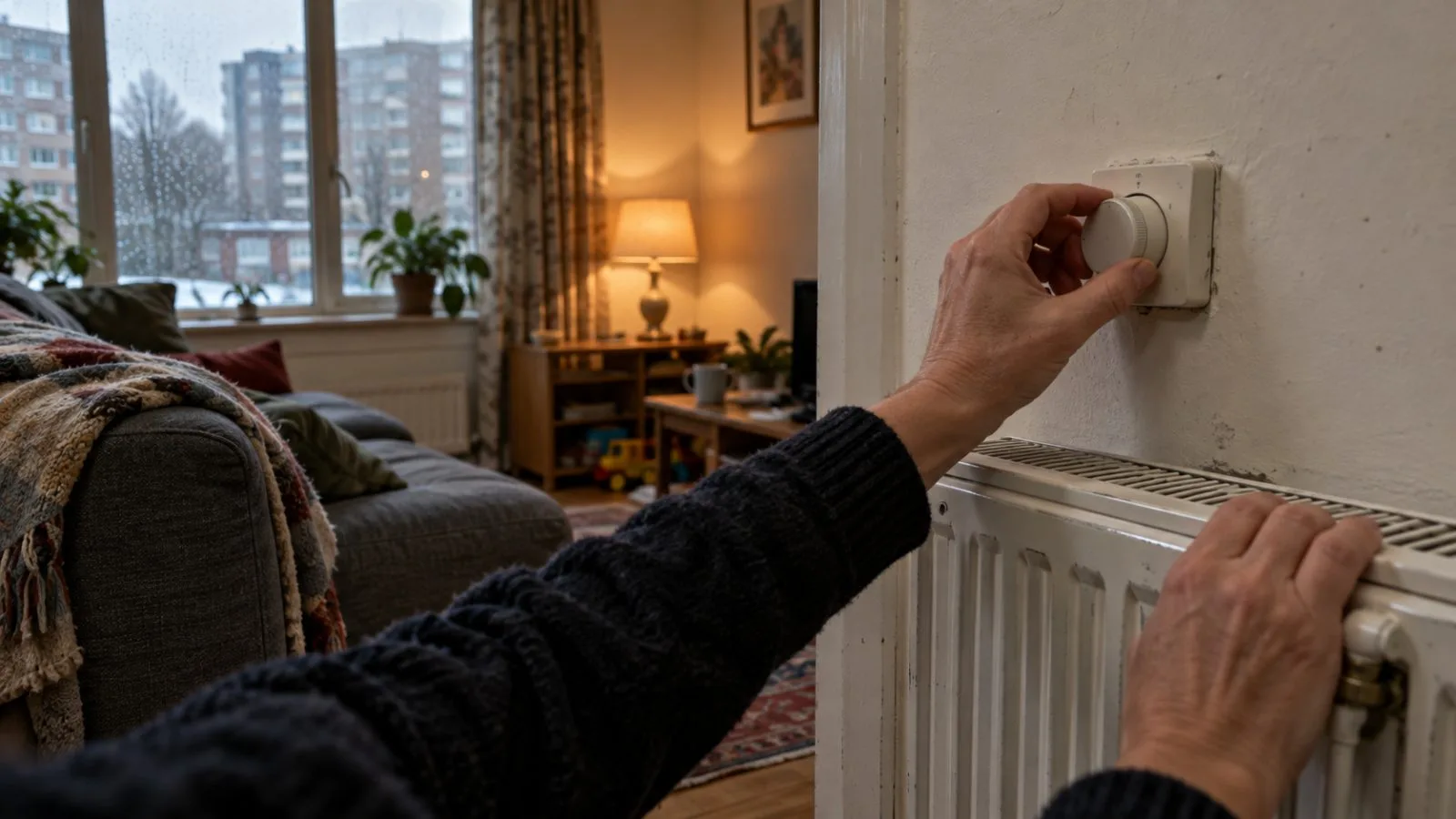
The budget commits £2.6 billion to a Household Energy Payment. Up to 20 million households in England in council tax bands A-D are due to receive £100, while devolved governments will get funding through the Barnett formula for similar support. Chancellor John Healey said the package aimed to give families “a bit of breathing space” as energy bills rise.
The Bank Corporation Tax Surcharge rate is due to double from 3% to 6% on Jan. 1, 2027, and stay at that level through March 31, 2028. The government says the increase will help fund household relief. The budget also extends the zero value-added tax rate on domestic electricity until July 1, 2027; the government estimates this will lower the annual Ofgem price cap by about £50 in April 2027.
The Office for Budget Responsibility (OBR) forecast economic growth of 1.2% in 2026 and 1% in 2027, with inflation reaching 3.8% in early 2027. It also projected average annual government debt-interest costs £14 billion above its March forecast. HM Treasury attributed the higher costs to the conflict in the Middle East.
Labour’s 2024 manifesto pledged not to raise the basic, higher or additional rates of income tax, National Insurance or value-added tax. Burnham said he would not have written the manifesto exactly as it stands, while noting that many of its policies were his.
Burnham told ITV News that a 10-year plan due by the end of 2026 would address public control of essential parts of the economy, including energy, and reindustrialisation.