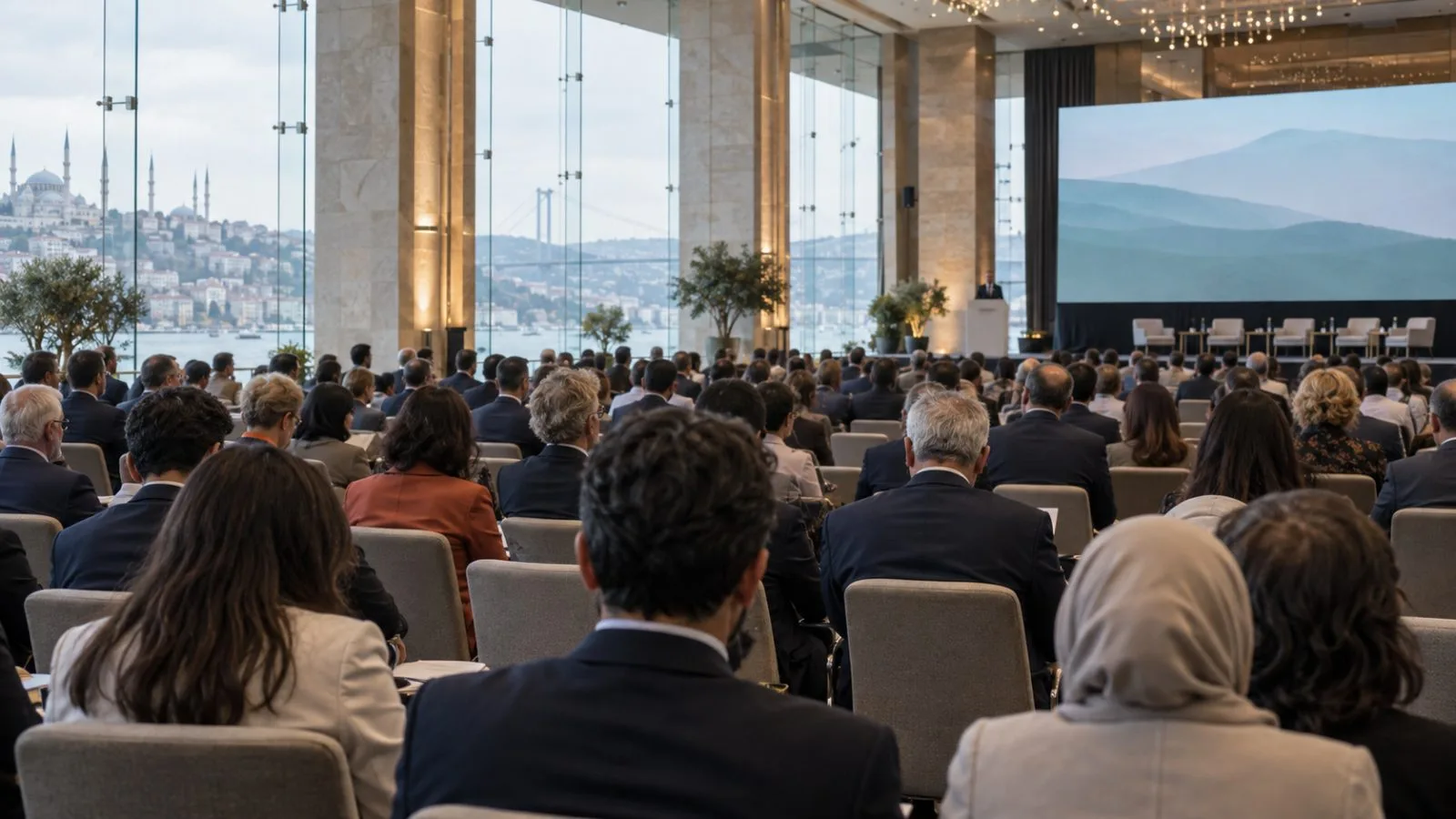
A COP31 draft links an immediate transition away from fossil fuels in energy systems to a proposal to triple annual adaptation finance to at least $120 billion by 2035, putting energy and funding at issue.
Published Nov. 16, the first proposed cover decision is meant to frame negotiations, the presidency said. Governments can still revise or remove its provisions, including disputed proposals, and any final decision would require consensus.
On energy, the text calls for accelerated action to phase out fossil fuels. It also asks parties to set their own contributions toward a global goal for electricity to reach 35% of total final energy consumption by 2035. The draft refers to the 2023 COP28 global stocktake, which called for a transition away from fossil fuels, while proposing separate language for faster action.
For adaptation, the draft asks developed-country parties to increase their collective support for developing-country parties and prepare a roadmap. It estimates developing countries’ adaptation needs at about $305 billion a year by 2035, compared with international public adaptation finance of $28 billion to $32 billion in 2024. EconoTimes previously examined accountability questions around the proposed adaptation funding.
The presidency’s proposed funding increase would go to developing countries, while developed-country parties would be asked to provide more collectively. The draft’s figures place the $120 billion annual goal alongside estimated needs of about $305 billion a year by 2035.
COP31 President of Negotiations Chris Bowen said the presidency reviewed national input over the weekend: 45 submissions spanning more than 500 pages represented more than 160 countries. He said negotiators had agreed on 48 items, while about 30 main mandates still needed outcomes that week. Bowen expected at least one more draft before the week ended.
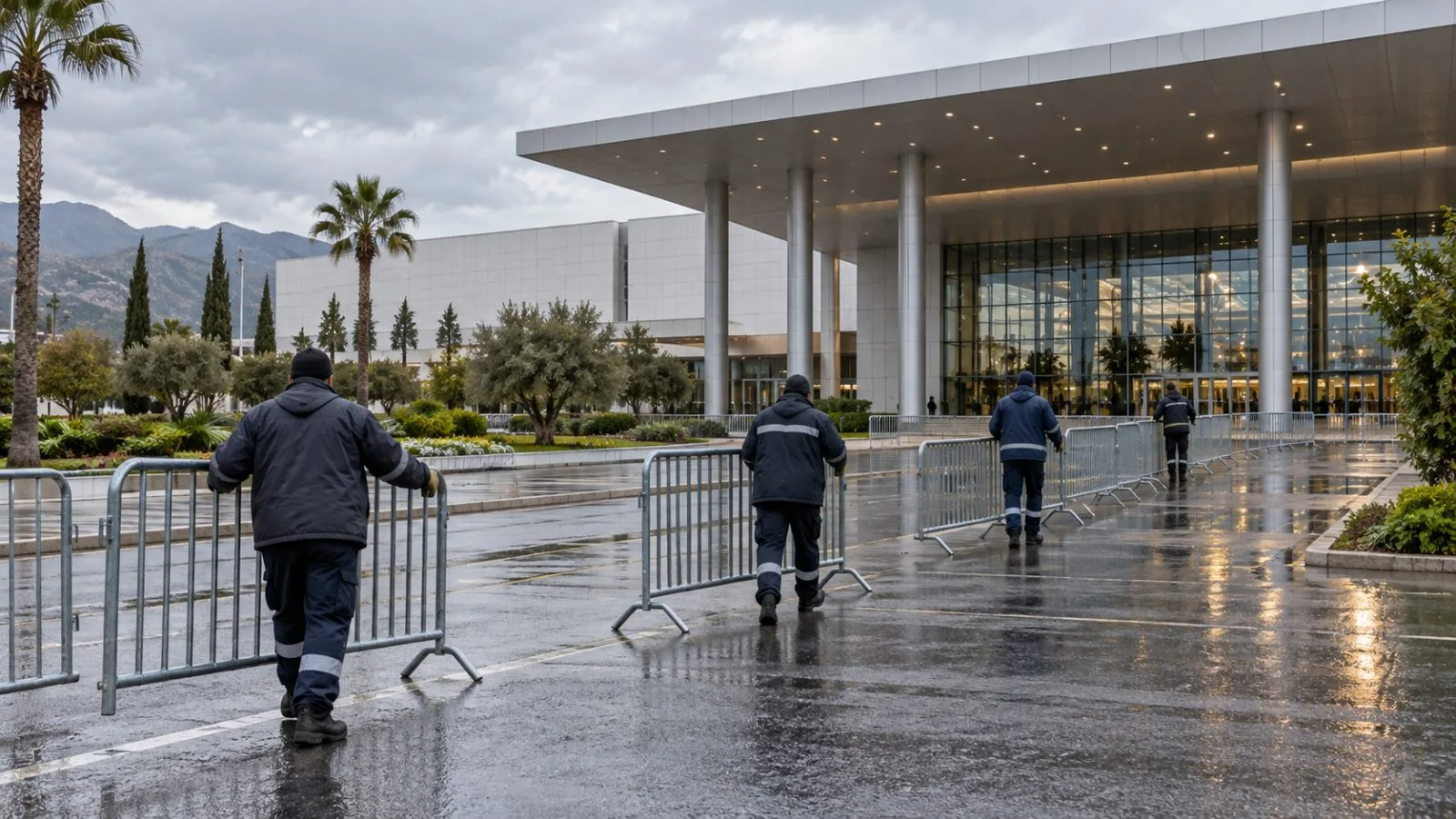
Negotiations are scheduled to continue through Friday, Nov. 20, in Antalya, Türkiye.