A COP31 paper from the Global Alliance for Pumped Storage urges governments to revise energy planning, laws and market rules for pumped-storage hydropower, arguing the technology can support electricity systems as electrification grows.
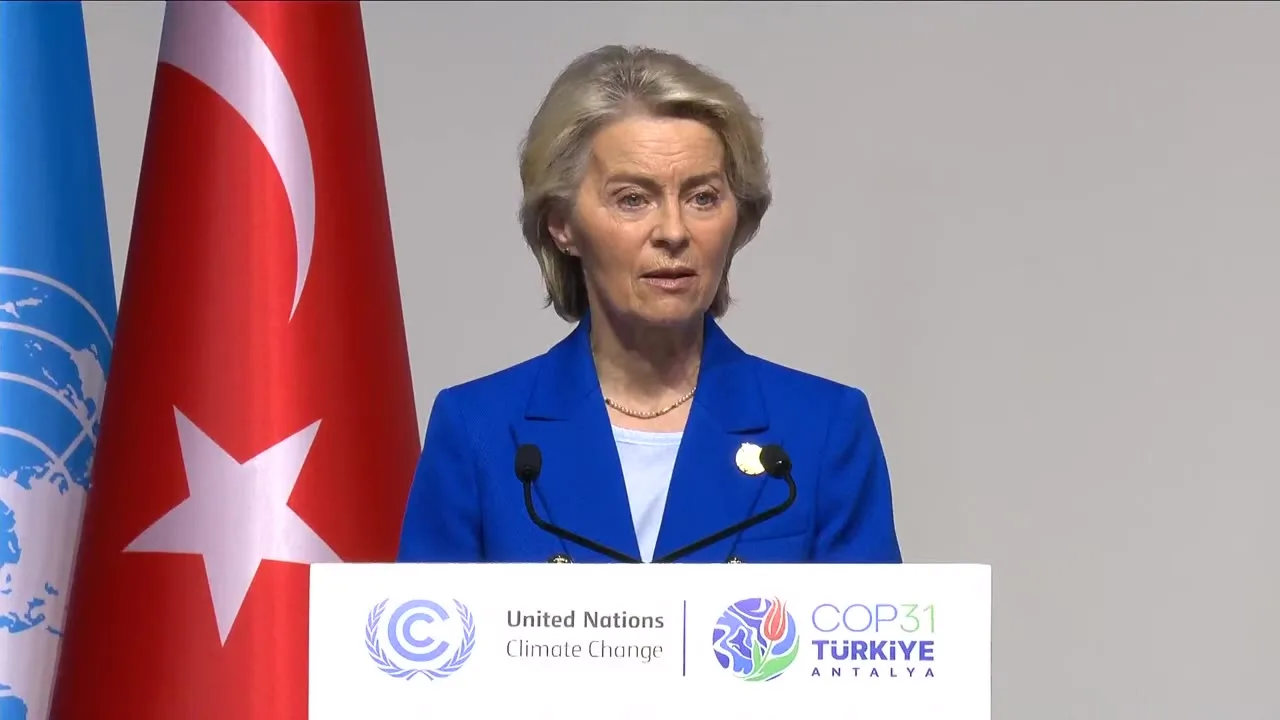
The International Hydropower Association (IHA), which serves as the alliance’s secretariat, said the paper was presented at a high-level roundtable in Antalya, Türkiye, on Friday, Nov. 13. The IHA said the paper drew input from more than 60 governments. The meeting also included representatives of more than 60 governments and international agencies.
The agenda asks policymakers to forecast storage demand, recognize pumped storage as strategic national security infrastructure, clarify its legal status and prepare suitable sites. It also calls for more predictable permitting, improved investment conditions and payments for services that help stabilize power grids.
Pumped-storage plants use excess electricity to move water uphill. When the grid needs power, water flows back through turbines to generate electricity, according to an information paper from India’s government. The IHA says the plants can also provide frequency and voltage control, operating reserves and black-start capability, which can help restore power after a major outage.
Materials from the United Nations Framework Convention on Climate Change (UNFCCC) put electricity’s share of global final energy use at about 23%, with the COP31 “35-by-35” pledge targeting 35% by 2035. The UNFCCC also says about 730 million people still lack access to electricity. The goal has featured in COP31 President Murat Kurum’s call to raise electricity’s share of energy use.
The IHA identifies high upfront investment, long development timelines and site preparation as barriers. The alliance’s background materials also point to uncertainty over long-term revenue. The IHA says projects may draw on local water, terrain and labor, and use some existing reservoirs, hydropower infrastructure and former mine sites. It says governments should ensure projects meet environmental and social sustainability standards.
The IHA says the alliance was launched at COP29 in Baku in November 2024. Its COP31 launch announcement included no specific government funding commitment. IHA President Malcolm Turnbull said, “We cannot afford to overlook the infrastructure that makes these systems work.”