The U.S. says Nigeria’s efforts to protect Christian communities are advancing too slowly, keeping violence in the Middle Belt central to Washington’s designation and security cooperation with Nigeria.
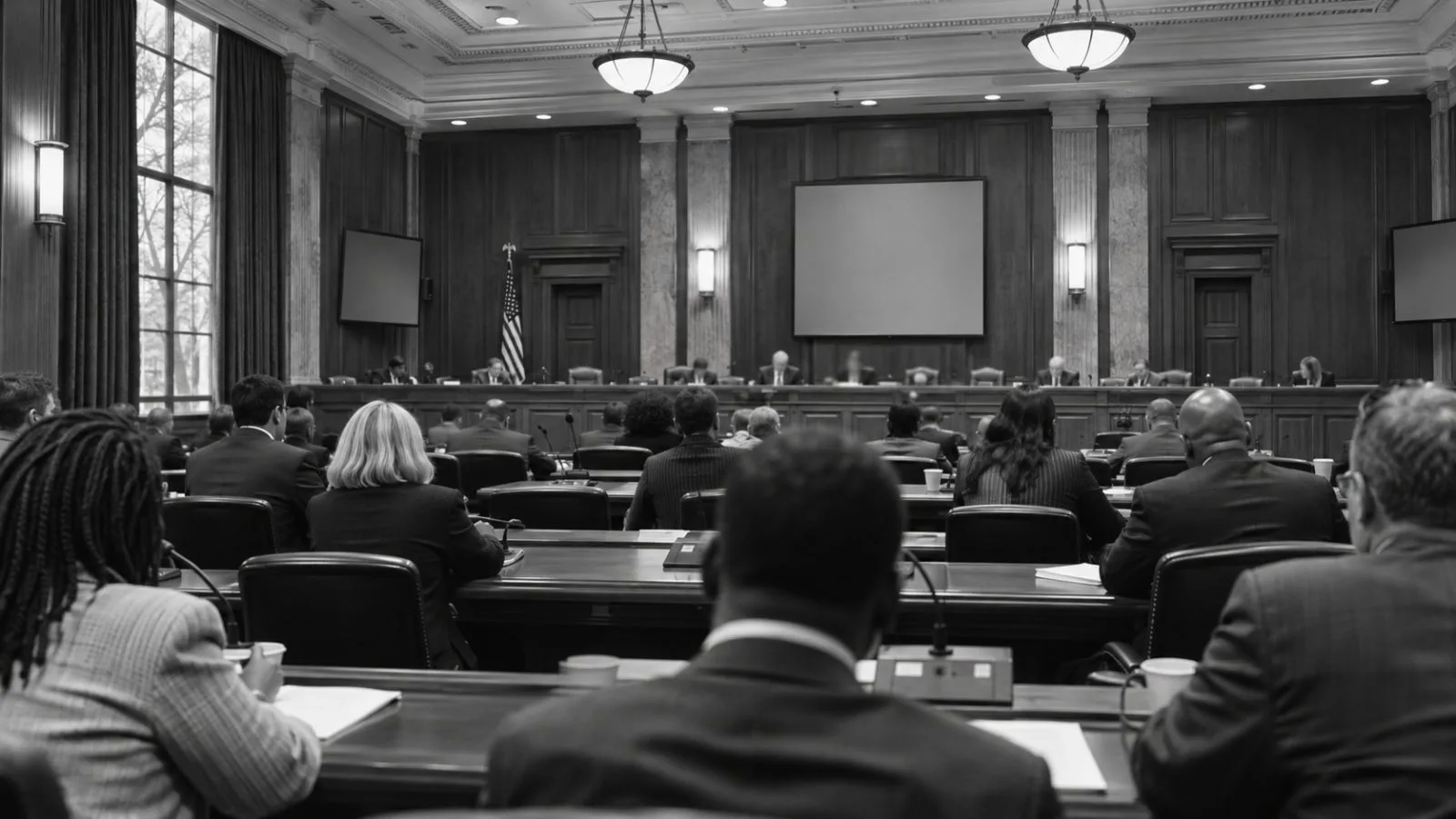
In written testimony for a Nov. 12, 2026, hearing of the House Foreign Affairs Subcommittee on Africa, Assistant Secretary of State for African Affairs Frank Garcia said Nigeria had reported progress on U.S. concerns. The testimony attributed the judgment that progress remained insufficient to Under Secretary of State Hooker, who raised it at the U.S.-Nigeria Joint Working Group’s second session. President Donald Trump designated Nigeria a Country of Particular Concern (CPC) on Oct. 31, 2025, citing violence and persecution directed at Christian communities.
Garcia cited an attack on a Christian community in Kaduna State on July 27 and killings in Plateau State during August and September as evidence that violence had continued despite U.S. engagement.
Garcia said the U.S.-Nigeria Joint Working Group, formed after the designation, was part of Washington’s effort to improve security and accountability in the Middle Belt. His testimony also described U.S. training and equipment for Nigerian police and wider biometric information-sharing to help identify suspects. The State and Treasury departments worked with Nigerian financial institutions on a plan to disrupt terrorist financing networks, the testimony said.
Hooker also raised civilian casualties, the return of displaced people and transparency in humanitarian aid, according to Garcia’s testimony. Garcia said Washington would continue using the designation and targeted security cooperation in efforts to protect Christian communities and hold perpetrators accountable.
Garcia cited pressures on Nigeria’s security services, difficulty bringing cases before courts in parts of the Middle Belt and limited U.S. resources as constraints. His testimony also warned that presidential elections in January could spur further violence.