Since the breakout in December 2019, the coronavirus pandemic also known as COVID-19 continues to terrorize the world to this day. Scientists are increasing efforts to study and develop a possible cure, but researchers have found a way to tell how severe COVID-19 could be to a patient through a blood test.
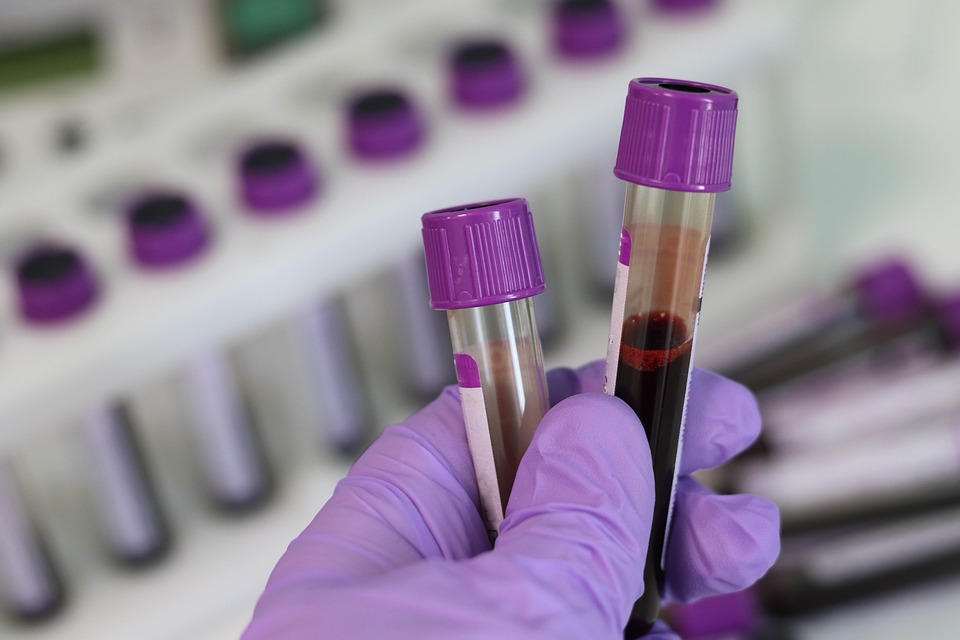
Researchers from George Washington University in Washington DC may have found a way to predict the likelihood of COVID-19 becoming severe in a patient. They looked into five different characteristics in a COVID-19 patient’s blood called biomarkers to find out if there is such a link between this to the severity of the disease in an infected person. The scientists found a link between the biomarkers as well as an added risk from the coronavirus. Their study found that a blood test could help doctors determine which patients would require intensive treatment.
They studied 299 COVID-19 patients, and out of the 299, 200 patients had the biomarkers needed for observation. D-dimer, IL-6, CRP, LDH, and ferritin were the biomarkers the researchers sought to study. If a patient’s blood has more of these biomarkers, then it would suggest inflammation or a bleeding disorder as well as a higher risk of being sent into intensive care.
“We hope these biomarkers help physicians determine how aggressively they need to treat patients, whether a patient should be discharged, how to monitor patients who are going home, among other clinical decisions,” said Shant Ayanian, the study’s first author.
The researchers will continue their study to observe the data, which they published in Future Medicine.
Meanwhile, scientists are still baffled by the mysterious origins of COVID-19. As far as everyone knows, the pandemic broke out in Wuhan, China back in December of 2019. Since then, it has spread to many countries all over the world, with millions of people infected and hundreds of thousands of people dead overall. The city of Yantai in China recently found coronavirus on the packaging of frozen seafood purchased by three companies.
According to officials, the seafood arrived at the port city of Dalian. Coincidentally, Dalian experienced a surge in COVID-19 cases. However, officials did not disclose where the frozen seafood came from.
Everyone who has handled the frozen seafood was placed in quarantine and has also tested negative for COVID-19.