


 Eli Lilly’s Inluriyo Gains FDA Approval for Advanced Breast Cancer Treatment
  Blue Origin New Glenn Rocket Explodes During Launch Pad Test, Delaying Space Ambitions
  Moderna Short Sellers Hit With $4.8 Billion Loss as Stock Soars
  Blue Origin’s New Glenn Achieves Breakthrough Success With First NASA Mission
  GLP-1 Weight-Loss Drug Use Surges Among U.S. Children
  NASA Partners with Katalyst to Save Swift Observatory with Innovative Docking Mission
  Trump Administration to Launch Autism Initiatives Targeting Acetaminophen Use and New Treatment Options
  AstraZeneca, Bristol Myers Squibb Explore Mega Merger Worth Nearly $400 Billion
  Cogent Biosciences Soars 120% on Breakthrough Phase 3 Results for Bezuclastinib in GIST Treatment
  Trump Administration Releases New UFO Files and Apollo Mission Records
  NASA Artemis II: First Crewed Moon Mission Since Apollo Takes Four Astronauts on 10-Day Lunar Journey
  SK Biopharmaceuticals Secures Global Rights to Biohaven Epilepsy Drug Opakalim
  SpaceX Prioritizes Moon Mission Before Mars as Starship Development Accelerates


 Add as a preferred source on Google
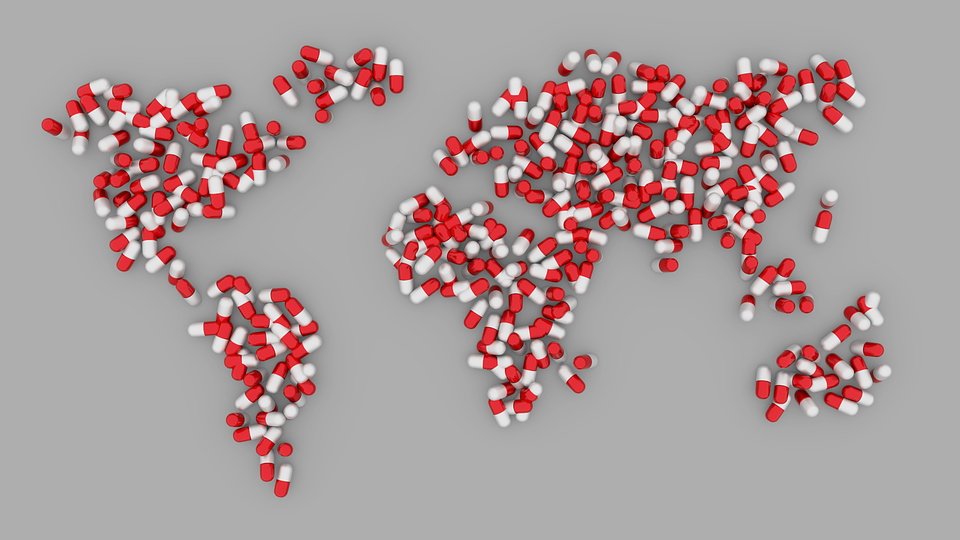
There has yet to be a cure for COVID-19, and doctors and scientists are doubling down on efforts to develop a cure or a vaccine that could put an end to the pandemic and save millions of lives. Pharmacy company Novartis has released its list of possible treatments for COVID-19, especially offered for countries with lower incomes.
Novartis recently unveiled its COVID-19 Response portfolio, aimed for countries that are in need. The portfolio would be made up of generic and over-the-counter medicines that will be sold at zero profit. This portfolio is under the pharmaceutical company’s Sandoz division and will be available as long as the pandemic goes on or until there is a cure or vaccine developed. These drugs will be to treat the symptoms found in patients suffering from the virus. There will be 79 countries that this portfolio would be made available to, and it will be distributed among NGOs, governments, and institutional customers.
Novartis chief operating officer for global health Lutz Hegemann that their purpose of releasing a COVID-19 response portfolio is that they wanted to help countries with financial difficulties, especially at this time when the pandemic has posed a major threat to the economy.
“Access to medicine can be a challenge for patients in low-and lower-middle-income countries and the situation has worsened during COVID-19. With our COVID-19 portfolio, we wish to help address the additional healthcare demands of the pandemic to help mitigate the impact on LICs and LMICs and support healthcare systems in dealing with the virus,” said Hegemann.
The drugs included are as follows: Amoxicillin, ceftriaxone, clarithromycin, colchicine, dexamethasone, dobutamine, fluconazole, heparin, levofloxacin, loperamide, pantoprazole, prednisone, prednisolone, salbutamol, and vancomycin.
Meanwhile, BBC reports that there may be a breakthrough in a potential COVID-19 cure. Southampton-based company Synairgen developed a protein treatment that makes use of a certain protein called interferon beta, coming naturally from the body when it suffers a viral infection.
The treatment would be delivered through ventilators, which can potentially trigger the immune system’s response. Based on the initial tests conducted, the findings suggest that this type of treatment potentially reduced the chances of the symptoms getting worse in a coronavirus patient by a drastic 79 percent.







