


 Broadcom, Oracle and SpaceX Seek Billions in Private Debt for AI Expansion
  Micron Shares Rise 4% Despite Taiwan Strike Risk
  NASA's Artemis II Crew Arrives in Florida for Historic Moon Mission
  Florida Seeks Tougher Meta Rules to Protect Young Users
  DogecoinVM Makes DOGE Transactions 300x Faster
  SpaceX Pivots Toward Moon City as Musk Reframes Long-Term Space Vision
  DeepSeek Seeks $12 Billion Funding Round Backed by Tencent, CATL
  Solidigm Taps Goldman, Morgan Stanley for $10 Billion US IPO
  Trump Administration Releases New UFO Files and Apollo Mission Records
  China vs. NASA: The New Moon Race and What's at Stake by 2030
  Cogent Biosciences Soars 120% on Breakthrough Phase 3 Results for Bezuclastinib in GIST Treatment
  Anthropic Expands Claude Access for Cyber Defense Teams
  Evernorth XRPN Nasdaq Listing Delayed to October 12
  LG Electronics Shares Slide as Q3 Profit Misses Estimates
  Circle Stock Falls 4% as Crypto Selloff Overshadows SAP Pay Expansion
  Nomura Asset Management Targets Global Investors as Japan Markets Gain Appeal


 Add as a preferred source on Google
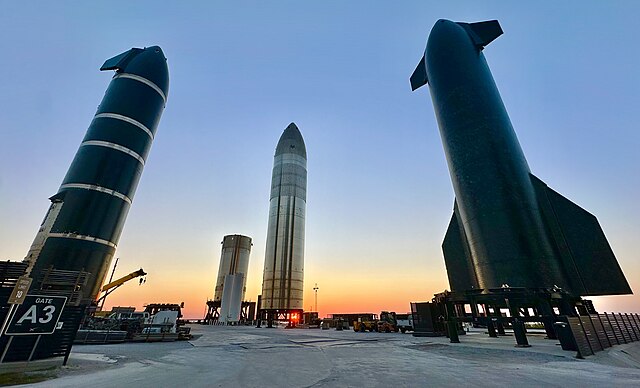
Elon Musk’s SpaceX is shifting its near-term space exploration strategy, choosing to prioritize a return to the Moon before pursuing missions to Mars, according to a recent Wall Street Journal report citing sources familiar with the matter. The aerospace company has reportedly told investors that it is now targeting March 2027 for an uncrewed lunar landing, marking a significant milestone in its long-term plans for deep space exploration.
This updated timeline represents a notable change from Musk’s earlier public statements. In 2024, Musk said SpaceX aimed to launch an uncrewed mission to Mars by the end of 2026. While Mars remains a core part of SpaceX’s vision, the company is now focusing its resources on lunar missions first, reflecting both technical and strategic considerations as it develops its next-generation launch system.
At the center of these ambitions is Starship, SpaceX’s fully reusable, stainless steel rocket designed to carry cargo and humans to destinations including low Earth orbit, the Moon, and eventually Mars. Starship is a critical component of NASA’s Artemis program, which aims to return U.S. astronauts to the Moon for the first time since the final Apollo mission in 1972. The lunar landing planned for 2027 would be conducted without astronauts on board, serving as a major test of Starship’s capabilities.
The news comes amid broader developments across Musk’s business empire. Reports indicate that SpaceX has agreed to acquire artificial intelligence company xAI in a deal valuing SpaceX at approximately $1 trillion and xAI at $250 billion, underscoring investor confidence in SpaceX’s long-term growth and technological leadership. SpaceX did not immediately respond to requests for comment on the reported changes to its mission timeline.
Globally, the race to the Moon is intensifying. The United States faces increasing competition from China, which has announced its own plans to send astronauts to the lunar surface later this decade. Against this backdrop, SpaceX’s renewed focus on lunar exploration highlights the Moon’s growing importance as a strategic and technological stepping stone for future missions to Mars and beyond.







