A Center for Strategic and International Studies (CSIS) report says early planning could let offshore wind projects extend maritime surveillance, but who pays for added security equipment and operations remains unsettled.
Published Oct. 16, Capturing National Security Benefits from Offshore Wind outlines a possible system linking equipment on turbines and offshore substations with monitoring along subsea cables. The collected information could be used alongside radar, satellite, sonar and vessel-tracking data. The report presents a proposal, not an integrated U.S. network already in operation.
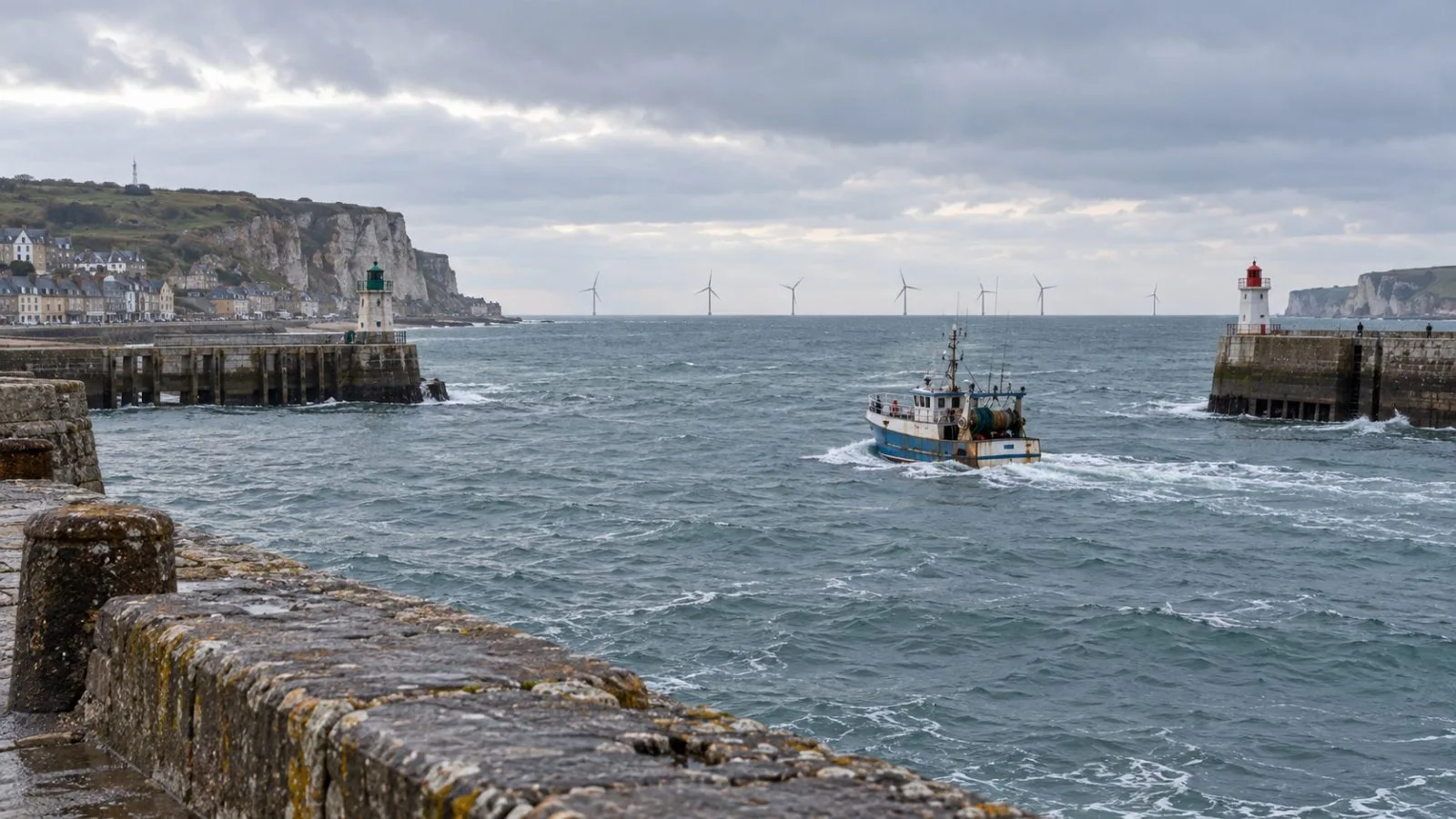
The report puts typical wind sites 10 to 40 miles offshore and turbine towers at about 500 feet. Their position could offer places for sensors, while fiber-optic cables could help monitor activity along underwater routes. CSIS says current surveillance tools can be costly or limited in number, leaving gaps across large ocean areas.
Some technologies have been used separately. The trial took place over September and October 2021 at Hornsea 1, where Saab and Ørsted evaluated a Giraffe 1X radar. Saab reported satisfactory results and says the radar can track up to 600 airborne and other targets at once.
In a May 18 case study, AP Sensing describes RTE’s monitoring of export cables serving the Fécamp, Saint-Brieuc and Gruissan wind projects in France. The company says acoustic signals help identify external activity and cable faults. These examples do not establish that the proposed U.S. surveillance system is operating.
Potential users include government security agencies and wind operators, but CSIS does not specify who would cover the new equipment or its ongoing operation. The authors identify open questions about sensor and data ownership, cybersecurity, maintenance, reporting duties and liability. Allegra Dawes, Emily Harding, Julia Dickson, Aosheng Pusztaszeri and Joseph Majkut write that planning for shared uses could make energy infrastructure a “force multiplier for national security.”
A February 2024 Department of Energy report says turbine returns can weaken radar detection, mask real targets and create false ones. GAO said the extent of some offshore wind impacts remains unknown because U.S. deployment is still at an early stage. Experts cited by the agency pointed to turbine position and height, spacing, and radar line of sight as relevant factors.
CSIS recommends assigning responsibilities early, planning security during project development, sharing costs and coordinating across regions.