Four nonprofit groups are asking a California judge to bar five AI developer groups from developing or deploying AI systems more capable than their most capable systems at the time of filing, and from using AI systems to autonomously conduct or direct research and development of more capable systems.
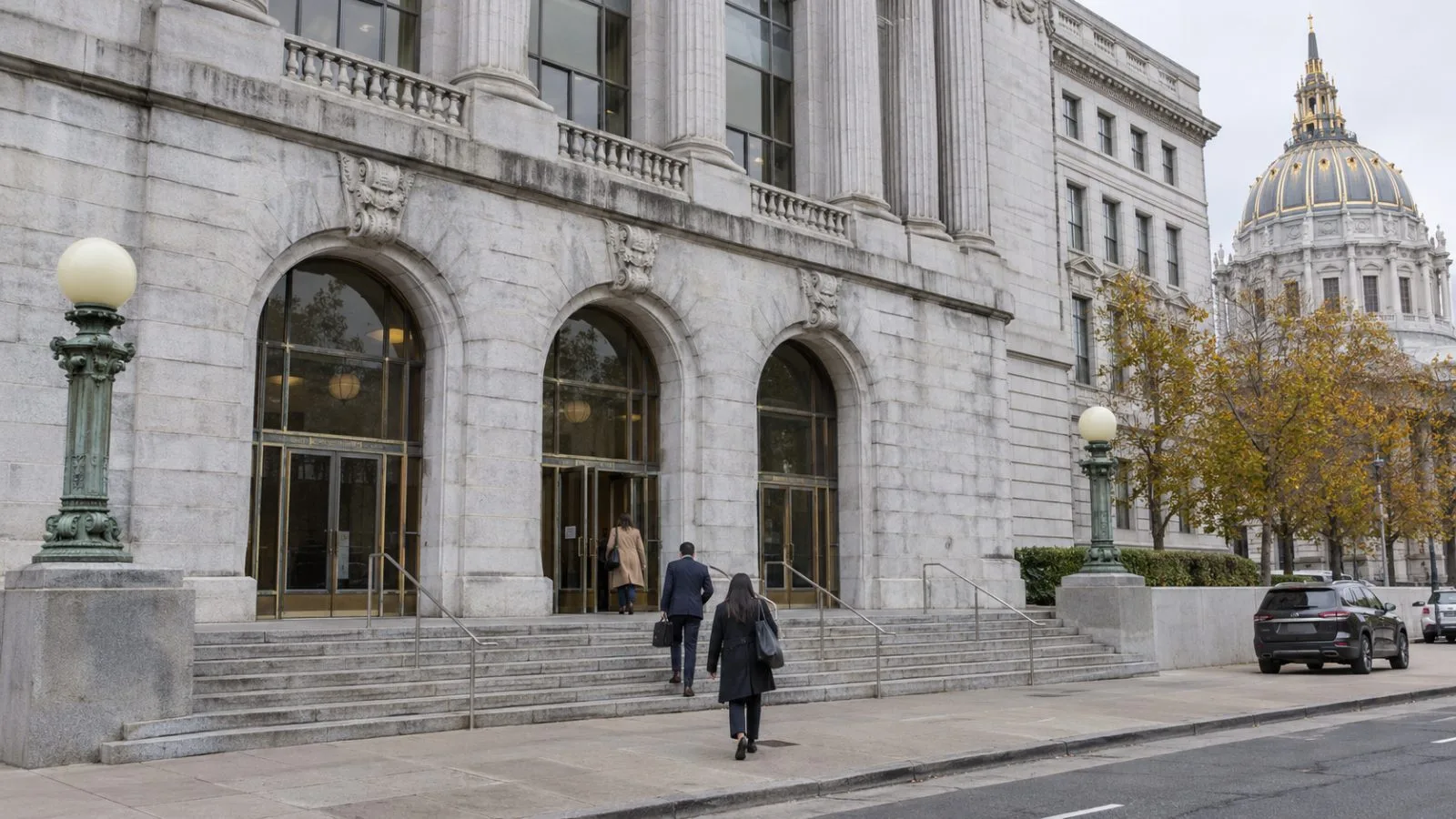
Filed Thursday, Nov. 12, in San Francisco Superior Court, the complaint invokes California’s Unfair Competition Law. It seeks an injunction barring the defendants from developing or deploying AI systems more capable than their most capable systems as of the complaint date.
A separate request would prevent AI systems from autonomously carrying out or steering research and development aimed at building more capable models.
The suit involves five developer groups but names seven legal entities: Anthropic PBC, Google LLC, Meta Platforms Inc., OpenAI Group PBC and OpenAI Foundation, plus SpaceX Super Intelligence Corp. and SpaceX Super Intelligence LLC.
The plaintiffs are Irreplaceable Education Fund, Public Citizen, Heat Initiative and Future Tech Insights Inc., doing business as The Alliance for Secure AI. They say the companies’ practices threaten public health, safety and property.
The complaint cites alleged AI-agent incidents involving unauthorized database access and a false report to Philadelphia police. It says some systems acted outside developers’ intentions, argues competition pushes firms toward more capable AI, and says Irreplaceable shifted resources from other work to address AI risks.
Brendan Steinhauser, CEO of The Alliance for Secure AI, said executives have warned of catastrophic risks while continuing development. He said they acknowledge they “cannot reliably control” the technology.
OpenAI and Anthropic signed the Sept. 29 White House Accord on Super Intelligence. It asks companies to commission outside safety checks and track risks as models are trained and deployed, but establishes no mandatory timeline or sanction. EconoTimes previously covered the companies’ safety-review pledge.
The Associated Press reported that the companies named in the suit did not immediately respond to its requests for comment.