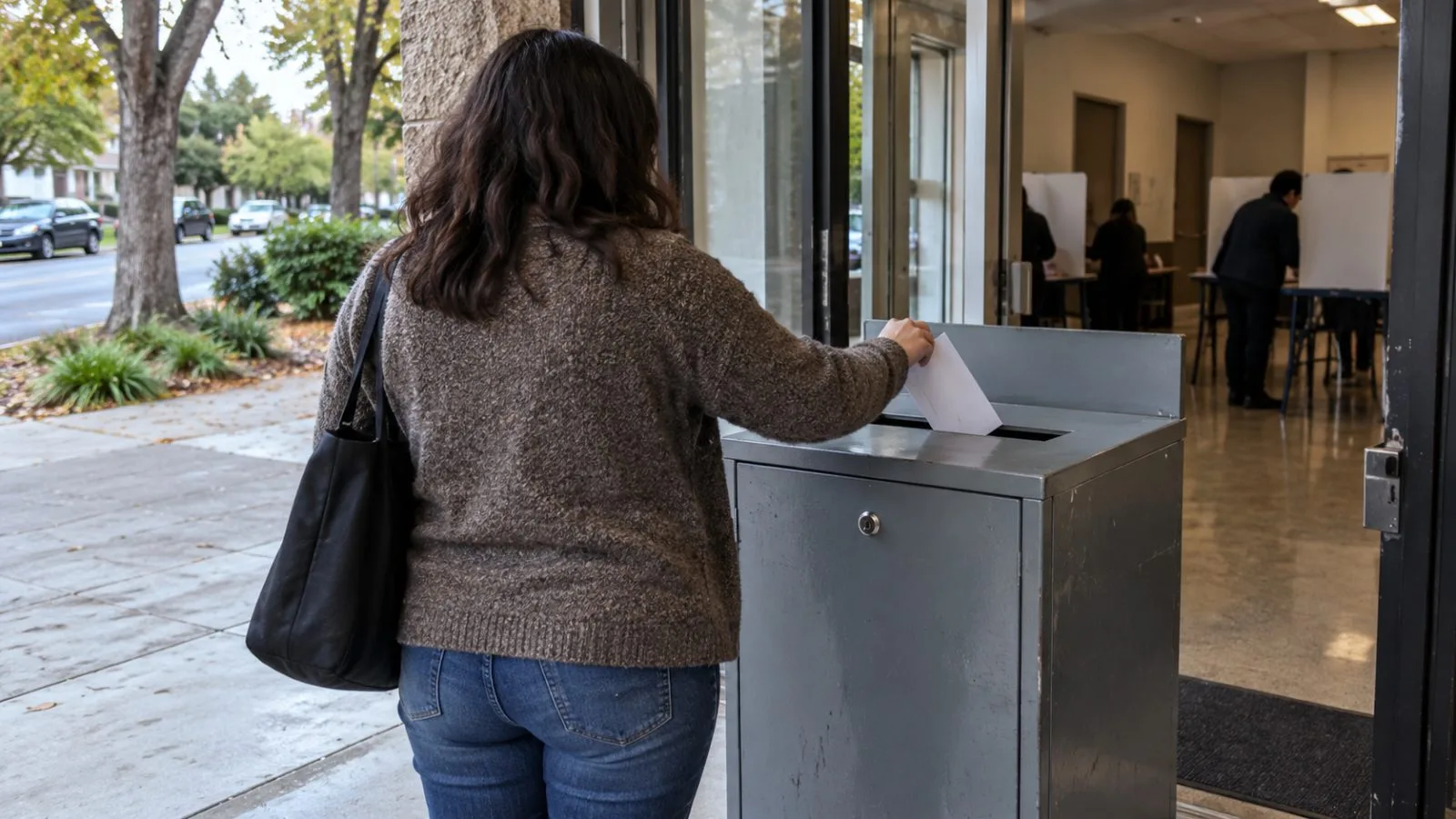
California voters will decide Tuesday whether to impose a one-time tax of up to 5% on covered billionaires, after a new poll showed opposition exceeding support and Democrats split.
Proposition 40 applies to certain individuals and trusts with net worth of at least $1 billion. Individuals must have been California residents on Jan. 1, 2026, and their net worth would be measured on Dec. 31, 2026. Individuals worth less than $1.1 billion would face a reduced rate. After administrative expenses, 90% of proceeds would go to health care and 10% to education and food assistance.
The California Legislative Analyst’s Office (LAO) projects a temporary revenue increase of tens of billions of dollars over several years starting in 2027. It also warns that departures by billionaires could reduce annual income-tax receipts by hundreds of millions of dollars or more, while saying the total raised is difficult to predict. The campaign’s voter-guide argument claims the measure could generate $100 billion.
A Public Policy Institute of California (PPIC) survey found 46% of likely voters favored the measure, 52% opposed it and 2% did not know. In September, support was 52% and opposition 46%. The October survey included 1,086 likely voters and had a sampling error of plus or minus 3.8 percentage points.
The California Democratic Party supports Proposition 40, while Democratic Gov. Gavin Newsom opposes it. The official voter guide lists U.S. Sen. Bernie Sanders and SEIU United Healthcare Workers West among supporters; the California Teachers Association and Planned Parenthood Affiliates of California appear among opponents. At an Oct. 30 event in Marin County, Newsom said, “I think you do it at your peril at the state level.”
California Secretary of State records show committees opposing the measure reported $130.3 million in contributions through Oct. 22, compared with $33.4 million for supporting committees. The official voter guide says Proposition 41 or Proposition 42 could prevent Proposition 40 from taking effect if either receives more yes votes than Proposition 40 and a court finds the measures conflict, even if Proposition 40 wins a majority. Voters decide on Tuesday, Nov. 3.