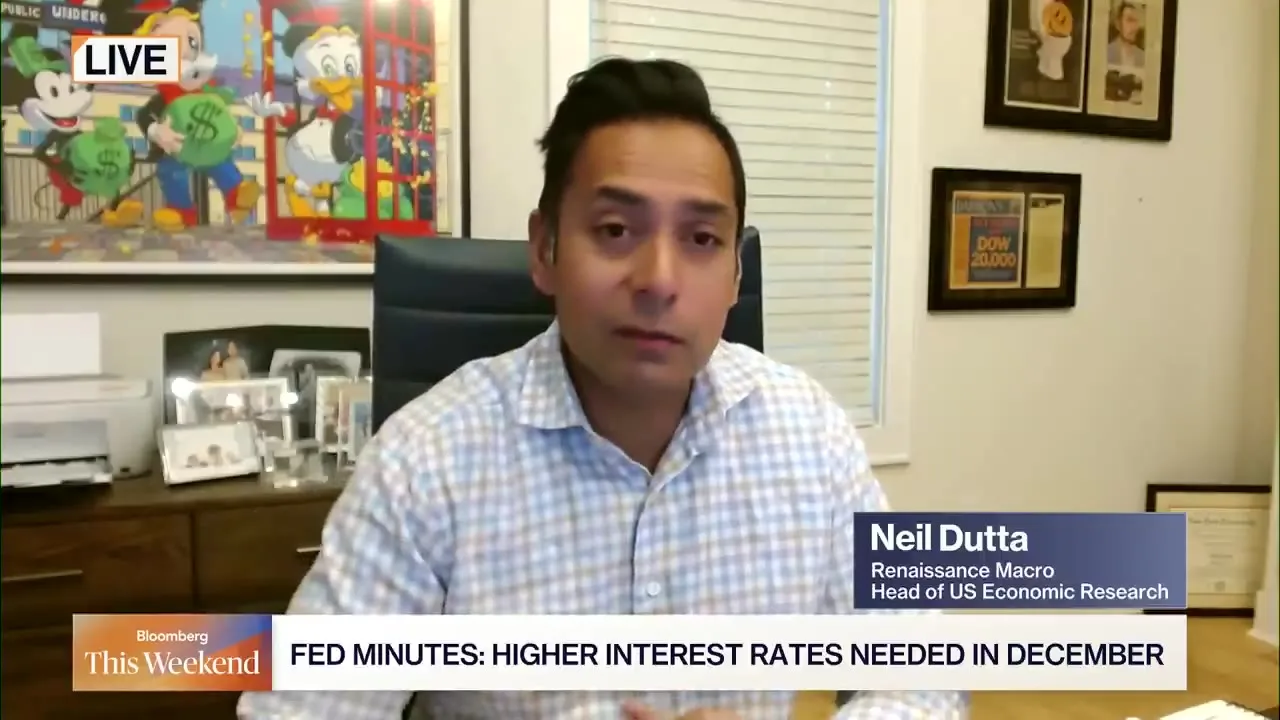
The Federal Reserve made a mistake by holding interest rates steady at its last meeting and could need several increases to contain inflation, an interview published by Bloomberg Television on Nov. 22 said.
The interview set out a case for a quarter-point increase in December and another in January, rather than a half-point move in December. It also raised the risk that the central bank could tighten policy too much in 2027.
Neil, identified only by his first name in the supplied transcript, said unemployment could fall in the coming months while inflation remains difficult to bring down. He said the Fed would have to raise rates in December.
It is difficult to judge how much tightening is needed while it is happening, he said. Changes in monetary policy take time to affect the economy, and inflation also responds with a delay.
Neil said Fed Governor Chris Waller had previously discussed a total of 75 basis points in increases over roughly six months. A basis point is one-hundredth of a percentage point.
Waller later discussed a half-point increase in December, Neil said. He said such a move offered little advantage if the Fed was likely to raise rates by a quarter point in January.
Neil said the Fed might have to raise its inflation forecast in March. That would raise the question of whether policymakers would increase rates again, he said, making their signals about the rest of 2027 important.
The interview also discussed research covering 48 declines of at least 5% in the S&P 500 index since 1989. The research compared expectations for the federal funds rate, the Fed's benchmark interest rate, at market peaks and lows over a six-month horizon.
Neil said inflation above the Fed's 2% target limits its ability to respond to a stock market decline. He said the central bank has more room to support markets when inflation is at or below that target.
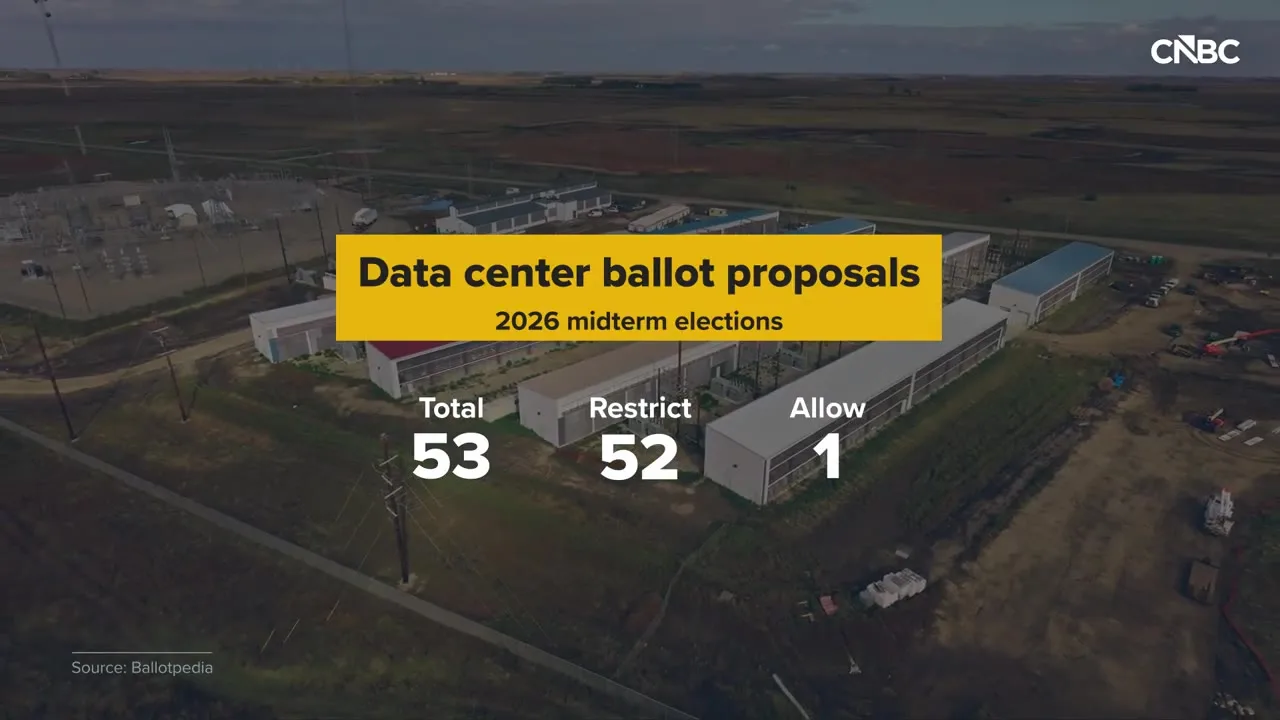
Employment was probably still growing, and current indicators showed continued economic growth, he said. He also cited data center construction as activity that could support the economy.
Neil described the recent sell-off as a correction linked to excessive enthusiasm. He said credit spreads had widened but did not appear especially alarming, and bank lending continued to grow.
Investment in buildings and other structures tends to change slowly, he said, and spending tied to artificial intelligence still had momentum. He identified the response of consumers as an open question.