South Korea’s opposition is using a fictional North Korean attack in the new Call of Duty game to challenge President Lee Jae Myung’s policy toward Pyongyang, The Korea Herald reported.
The game, Call of Duty: Modern Warfare 4, portrays a surprise attack from the North that triggers a second Korean War. Activision released it Oct. 23, 2026, naming Infinity Ward as lead developer, according to earlier EconoTimes coverage.
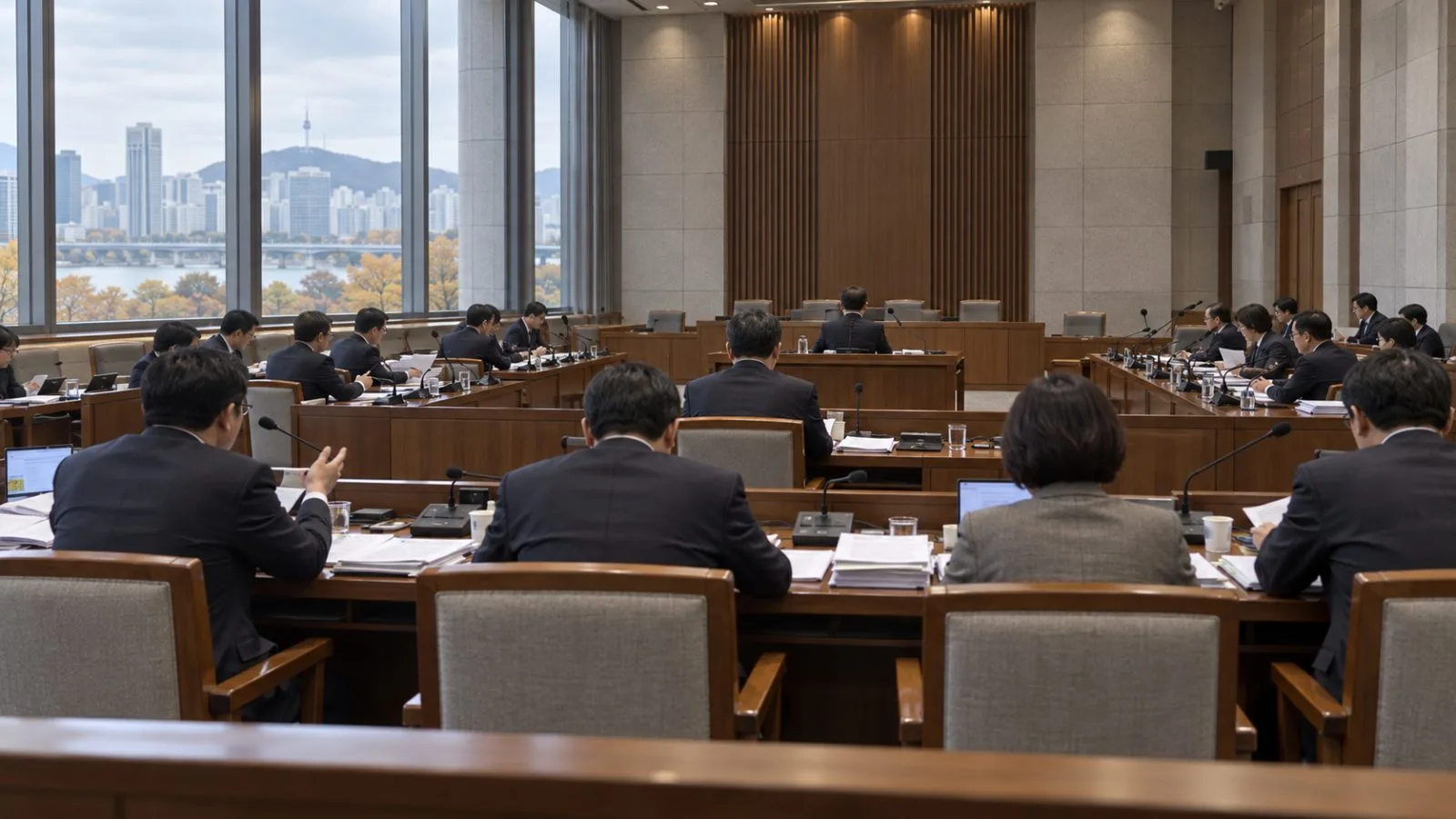
At the National Assembly’s Oct. 23 annual audit, Culture Minister Choi Hwi-young faced a question about whether the game warranted government review. Its story includes combat with North Korean forces and the fictional killing of the North Korean leader, the newspaper reported.
The Korea Herald described a mixed response in South Korea: The game received positive reviews, while its use of the peninsula’s division as a backdrop drew debate. The paper framed the disagreement as involving national security, relations between the Koreas and freedom of expression.
The audit question follows an earlier disagreement over government review of games. EconoTimes previously reported that Choi said games should not face prior censorship, in its coverage of the debate over government review of the Call of Duty title.
Independent politician Han Dong-hoon has also used a video-game invasion in a security appeal to Lee. NDTV reported that Han urged the president to play a Call of Duty game depicting a North Korean attack and argued South Korea should prepare for a military crisis instead of relying on goodwill from the North. Han also addressed concerns that the scenario could fuel hostility, saying the security issue it raised deserved attention, according to NDTV. EconoTimes previously covered Han’s appeal to Lee.
The Korea Herald connected the game’s premise to the peninsula’s unresolved status. The 1950-53 war stopped under an armistice, but no peace treaty followed, leaving North and South Korea technically at war, the newspaper reported.