Canada is proposing to raise the luxury tax cutoff for fully electric and hydrogen-powered vehicles to C$150,000 from C$100,000, citing purchase costs and national emissions goals.
Minister of Finance and National Revenue François-Philippe Champagne announced the proposal Nov. 12. The new limit is meant to apply from Nov. 13, although Parliament must approve the measure.
Vehicles priced up to C$150,000 would qualify for the proposed exemption. The C$100,000 cutoff would continue to apply to all other vehicles.
The Department of Finance Canada said the levy generally covers passenger vehicles worth more than C$100,000. Taxable transactions can include sales, imports, leases and certain vehicle improvements. Under current rules, the charge is the lower of 10% of a vehicle’s total value or 20% of the portion above C$100,000.
Officials linked the proposal to the higher upfront cost of zero-emission vehicles and Canada’s emissions targets. The announcement also placed the change within a broader effort to expand electric-vehicle charging as transportation shifts toward electricity.
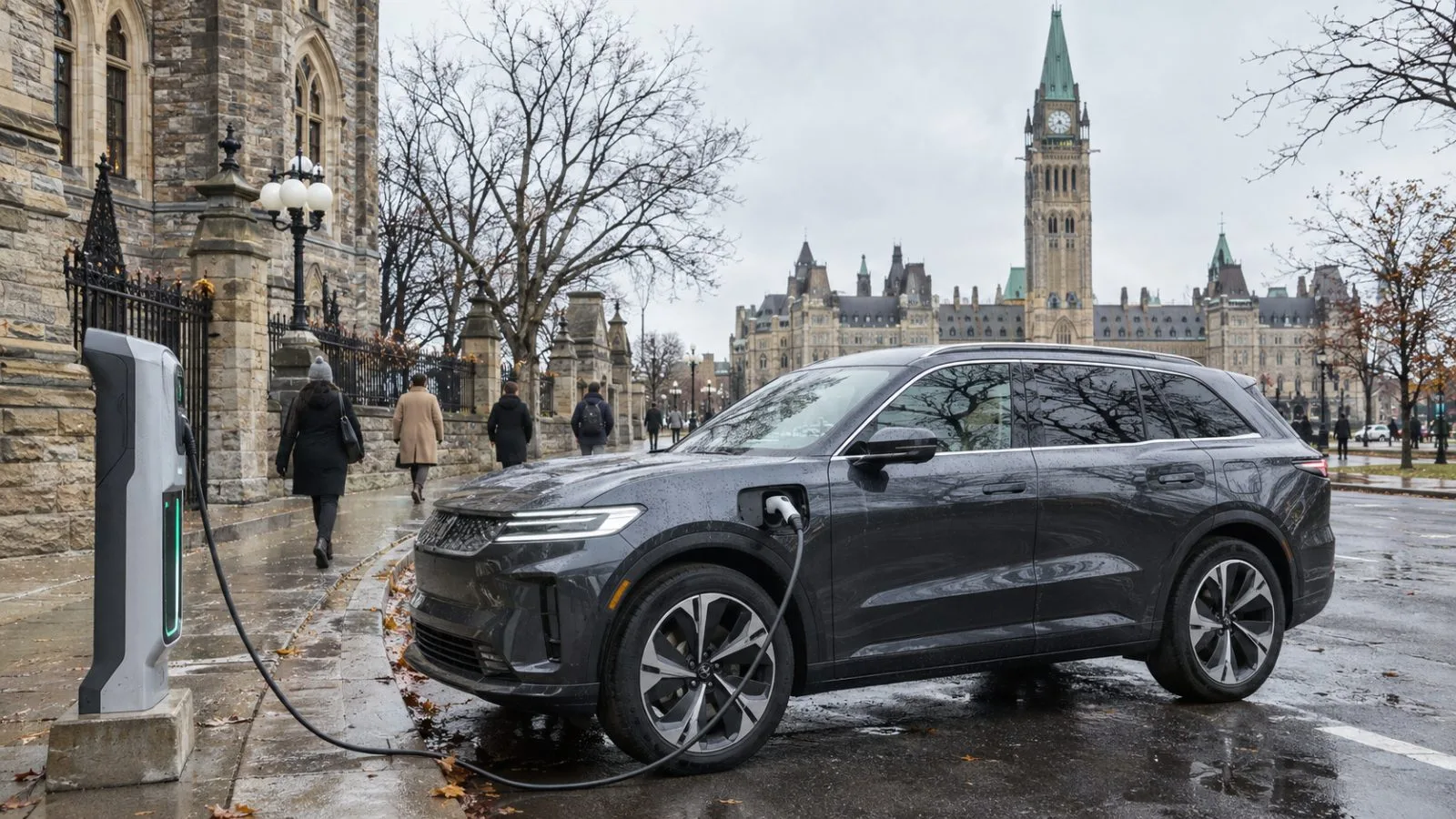
The renewed Zero Emission Vehicle Infrastructure Program is set to receive C$587 million over five years beginning in 2027-28, with funding for more than 55,000 chargers. The government said the program would roughly double the number of chargers receiving federal support. Canada has already supported more than 50,000 chargers, and the department said a larger network can make driving electric easier, including in rural communities.
A separate Budget 2026 proposal provides C$45 million over five years from 2027-28 for research and development on charging infrastructure. The government says the investments are intended to help Canadians save money, plan trips and travel with confidence.
The department described close to 80% of Canada’s electricity grid as clean and said the country has some of the lowest electricity costs in the Group of Seven. It expects electricity demand to double by 2050 as the economy and industry use more power. The department also cited a projection that electric vehicles will account for nearly 40% of car sales worldwide within five years.
Parliamentary approval is the next step for the proposed Nov. 13 tax change.