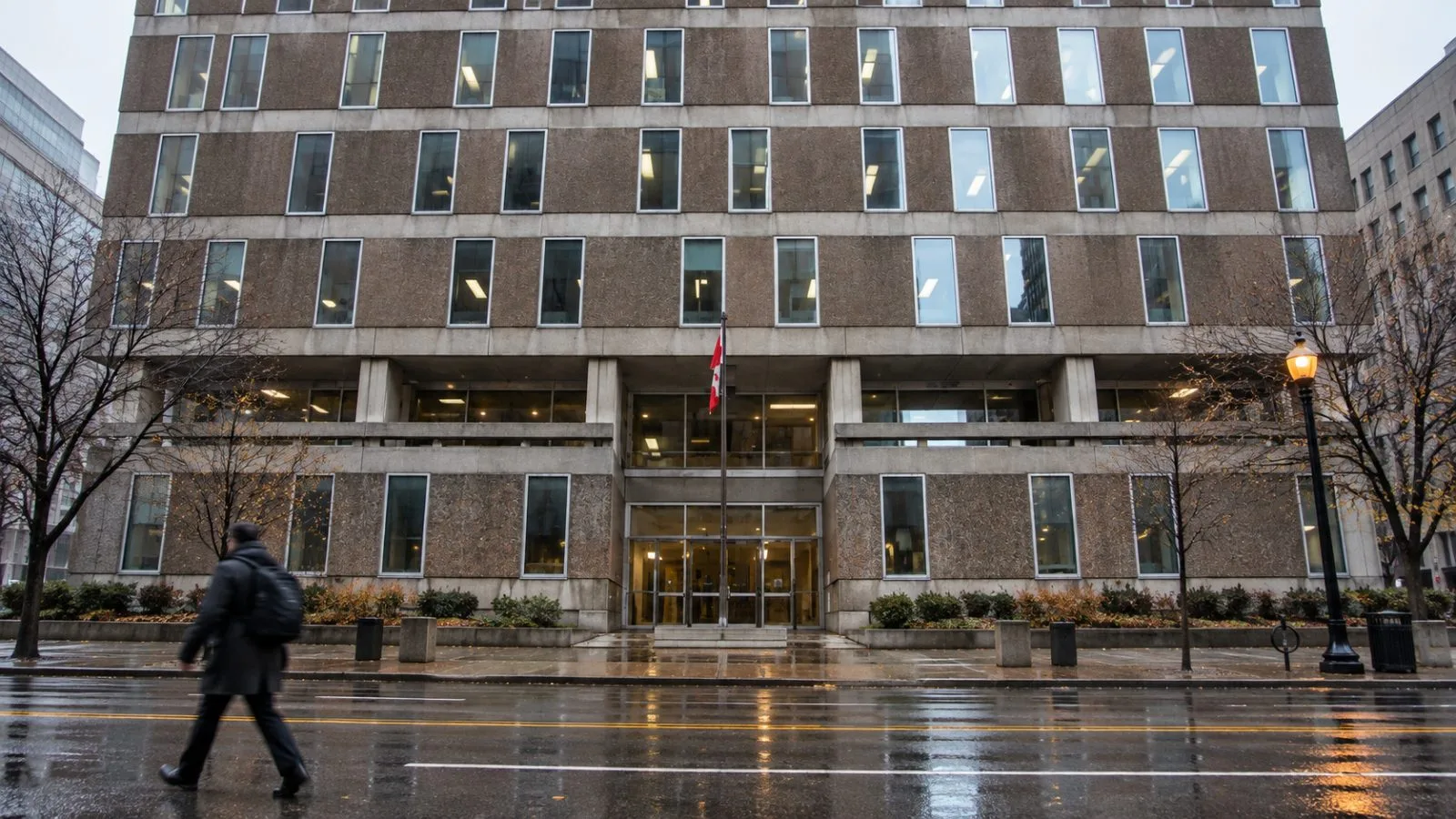
Canada and the United States have stepped up political contact on trade, but Reuters’ account of work on a steel and auto tariff deal differs from reports that unresolved issues could prevent a quick agreement.
Reuters cited six sources, four Canadian and two U.S., describing government efforts to reduce U.S. duties on Canadian steel and automobiles. One Canadian source viewed a deal before the Nov. 3 congressional election as possible; U.S. sources told Reuters that Washington was seeking additional concessions.
Global News reported that political discussions were advancing, but its sources doubted an agreement would come before the election. The outlet said trade representatives had not begun formal talks. CBC News separately described more frequent contact and unresolved issues, without reporting that a deal was imminent.
Speaking at a Toronto forum on Oct. 22, Canada’s chief trade negotiator Janice Charette said officials were considering a return to detailed discussions but had not chosen a date. Canada suspended negotiations in August after Prime Minister Mark Carney called U.S. terms unfair and uneconomic. Carney has said any agreement should protect Canadian sovereignty and French-language and cultural safeguards, while preserving Canada’s ability to make trade deals with other countries. He also said Ottawa was prepared to remove its remaining retaliatory tariffs on steel, aluminum and autos if Washington substantially lowered its own duties.
U.S. presidential actions set a 50% Section 232 duty on specified steel products and a 25% tariff on covered automobiles, subject to exceptions. For vehicles that qualify under the U.S.-Mexico-Canada Agreement, the auto tariff applies only to the non-U.S. portion once required documentation is approved. Carney has argued that Canada’s retaliatory tariffs would increase costs and reduce choices for Canadian consumers, while U.S. tariffs ultimately burden U.S. consumers.
Separately, a White House proclamation adjusts which Canadian products face 50% Section 338 duties. The revised coverage takes effect at 12:01 a.m. ET Oct. 30, four days before the U.S. congressional midterm elections.