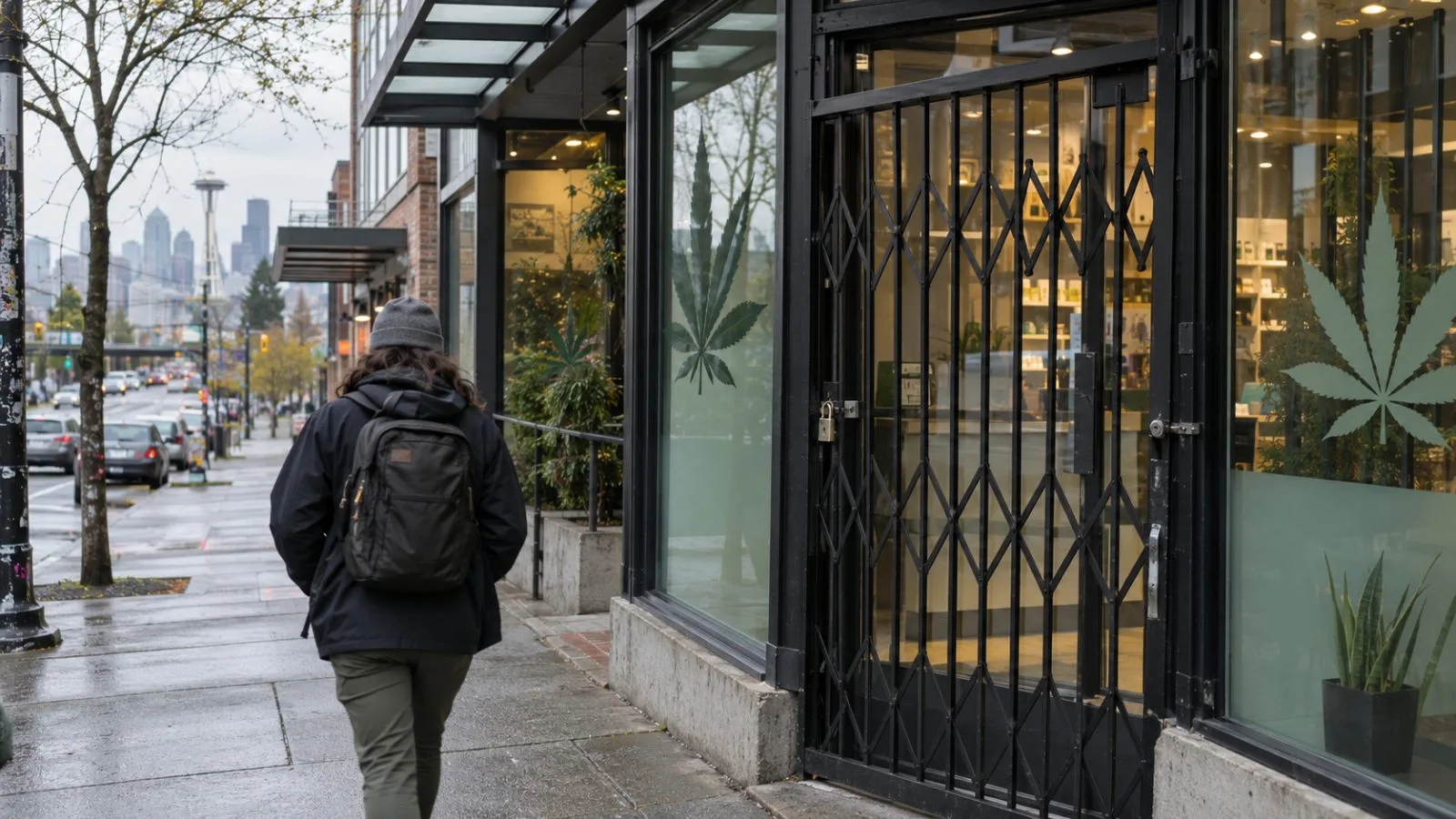
Robberies and burglaries at cannabis retailers in Washington state were linked to higher prices at affected stores and nearby competitors, with consumers bearing much of the estimated burden, researchers found.
Carl Hase and Johannes Kasinger matched store-level crime records with scanner data tracking cannabis transactions across Washington. They used quasi-experimental variation from robberies and burglaries to estimate how the incidents related to prices across the market.
The study, published in the American Economic Journal: Economic Policy, estimated prices were 1.7% to 1.8% higher at victimized stores and nearby competitors. The findings therefore include price increases among retailers near crime-affected locations as well as at the stores directly hit.
The authors found that demand changes over the short and medium term did not account for the price pattern. Instead, the results aligned with higher costs associated with crime. The estimated effects were more pronounced at independent retailers and in markets with less concentration.
Hase and Kasinger estimated that crime created a 1% “hidden” unit tax for affected stores. They put the additional social costs at $30.7 million, with consumers bearing most of that burden.
The analysis covers cannabis retailers in Washington state and robberies and burglaries recorded at the store level. Its findings show that the price effects in this market extended beyond the retailers directly victimized, reaching nearby competitors as well.