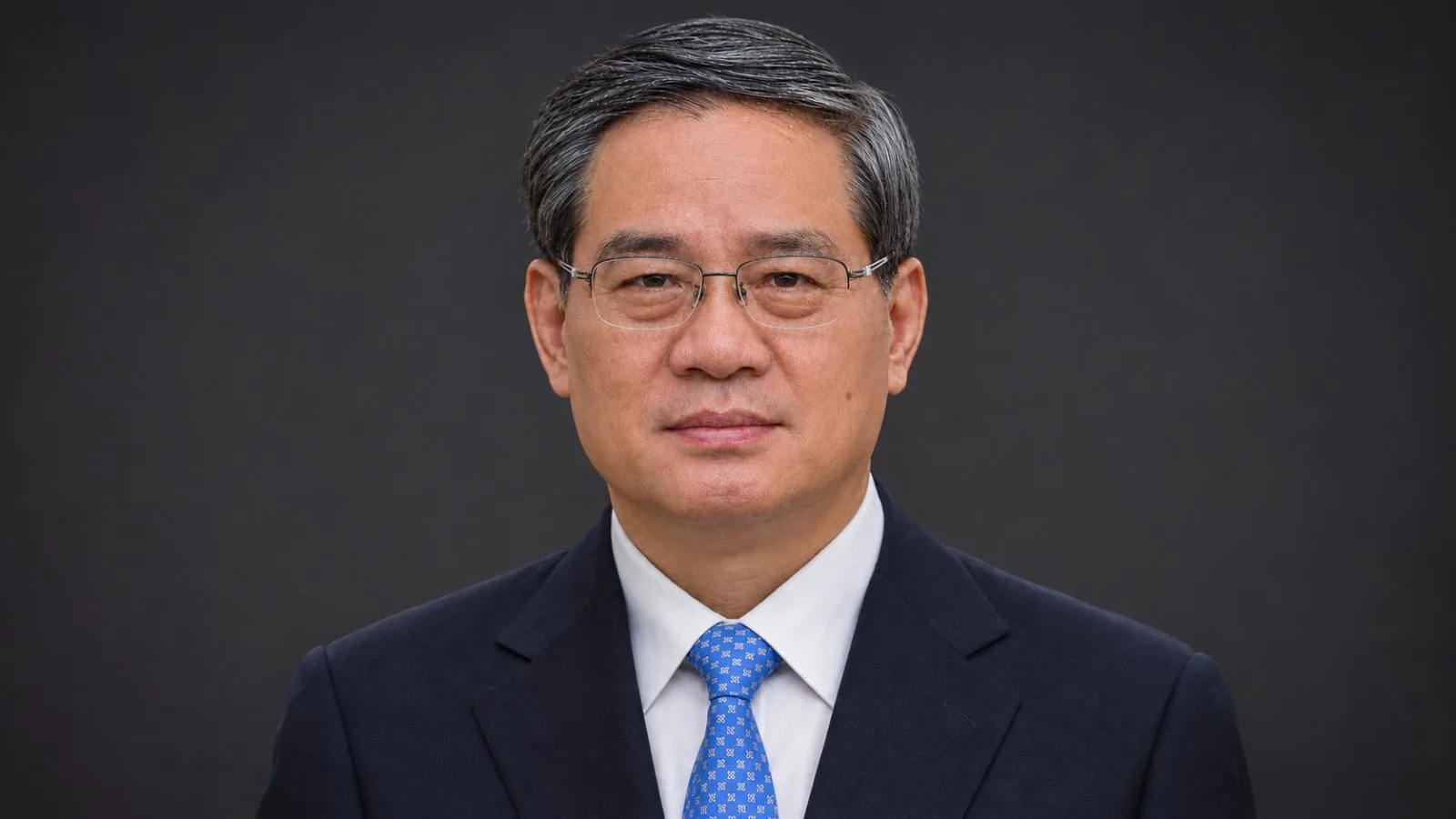
Chinese Premier Li Qiang said China-ASEAN trade topped $1 trillion last year, while leaders in Manila left talks on South China Sea conduct rules unfinished, keeping a regional safety framework unresolved.
At the Philippines-hosted 49th summit of the Association of Southeast Asian Nations (ASEAN), Philippine President Ferdinand Romualdez Marcos Jr. and Li co-chaired the 29th ASEAN-China Summit on Monday, Nov. 16. The meeting marked five years of the ASEAN-China Comprehensive Strategic Partnership and 35 years of dialogue relations. EconoTimes previously covered Li's planned meetings with ASEAN leaders in Manila.
Li put trade growth at 29.6% from January through October 2026. He said investment in both directions had exceeded $500 billion, more than 50% above its level five years earlier. He cited trade restrictions and geopolitical pressures in calling for greater cooperation.
Marcos urged leaders to put their commitment to international law into practice and work to prevent disputes from worsening. Foreign Secretary Maria Theresa Lazaro said discussions covered support for smaller businesses and supply chains, along with artificial intelligence and scientific cooperation. Other topics included health, cultural preservation, maritime safety and efforts against transnational crime.
Gulf News reported, citing Lazaro, that the summit produced four outcome documents. One marked the partnership's fifth anniversary, and all ASEAN members approved it, she said.
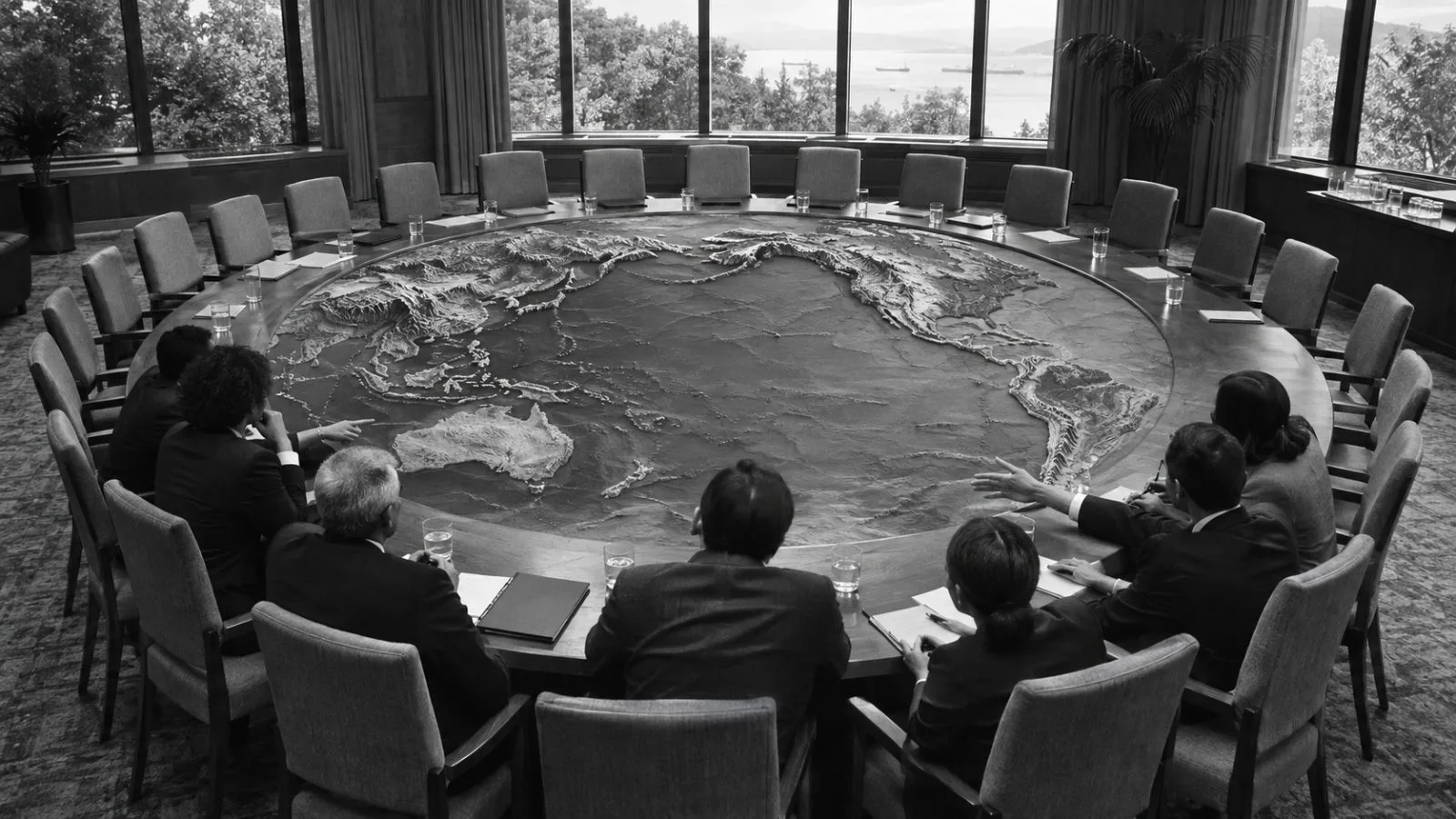
Marcos also pointed to progress on a proposed South China Sea Code of Conduct (COC), which he said was grounded in UNCLOS, the 1982 convention on the law of the sea. Lazaro said Sunday that negotiators had tentative agreement on about four-fifths of the draft's paragraphs, compared with roughly half when the Philippines began its ASEAN chairship earlier this year.
The outstanding questions include which waters the code would cover, how it defines key terms and whether its provisions would be legally binding. Lazaro said some ASEAN members fear a binding agreement could require domestic ratification. The proposed code would set expectations for conduct in the disputed sea and encourage voluntary maritime cooperation, without settling territorial or maritime claims. Negotiators also have a preliminary understanding of the code's relationship to the 2002 nonbinding South China Sea declaration.
Lazaro said an additional five to six months might have allowed talks to wrap up, and credited co-chairs Malaysia and China with guiding them. She said the code would remain unsigned when the Philippines hands the ASEAN chairship to Singapore in 2027.