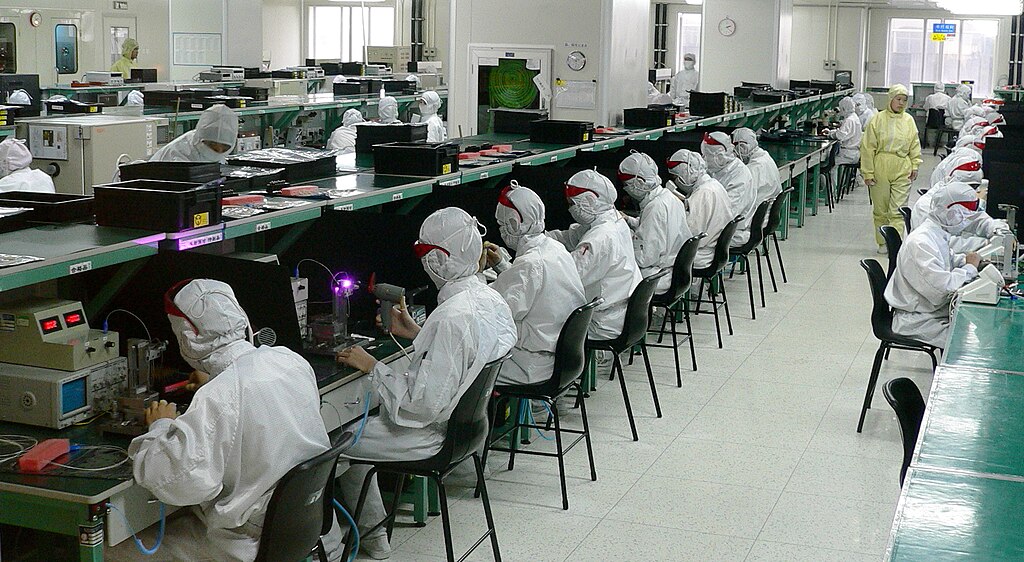
China remains confident it can maintain stable employment and sustain positive economic momentum over the next five years, even as global uncertainties and the rapid development of artificial intelligence reshape the labor market. Speaking on Saturday during the annual parliamentary session in Beijing, China’s Minister of Human Resources and Social Security, Wang Xiaoping, emphasized the government’s commitment to strengthening job stability and expanding employment opportunities across the country.
According to Wang, China’s employment policy will focus on supporting key groups in the workforce, particularly young people, college graduates, and migrant workers. These groups represent a significant portion of China’s labor force and are often more vulnerable to shifts in economic conditions. By prioritizing job creation and workforce development, the government aims to ensure long-term employment stability while adapting to emerging technological trends such as artificial intelligence.
The Chinese government recognizes that the labor market faces growing uncertainties due to structural changes in the economy and the increasing adoption of automation and AI technologies. While these innovations can improve productivity and accelerate digital transformation, they may also disrupt traditional industries and alter workforce demand. As a result, policymakers are exploring strategies that balance technological advancement with employment protection.
China plans to strengthen vocational training programs, encourage entrepreneurship, and promote policies that stimulate job growth in new sectors. Expanding employment support for college graduates will remain a top priority, especially as millions of students enter the job market each year. Additional measures are expected to support migrant workers, who play a critical role in urban development and manufacturing industries.
Officials believe that proactive employment policies, combined with continued economic growth, will help China navigate labor market pressures and technological disruption. By focusing on job creation, workforce training, and innovation, the government hopes to maintain stable employment conditions while supporting sustainable economic development.
As artificial intelligence and digital industries continue to evolve, China’s employment strategy will aim to ensure that technological progress complements workforce opportunities rather than replacing them.