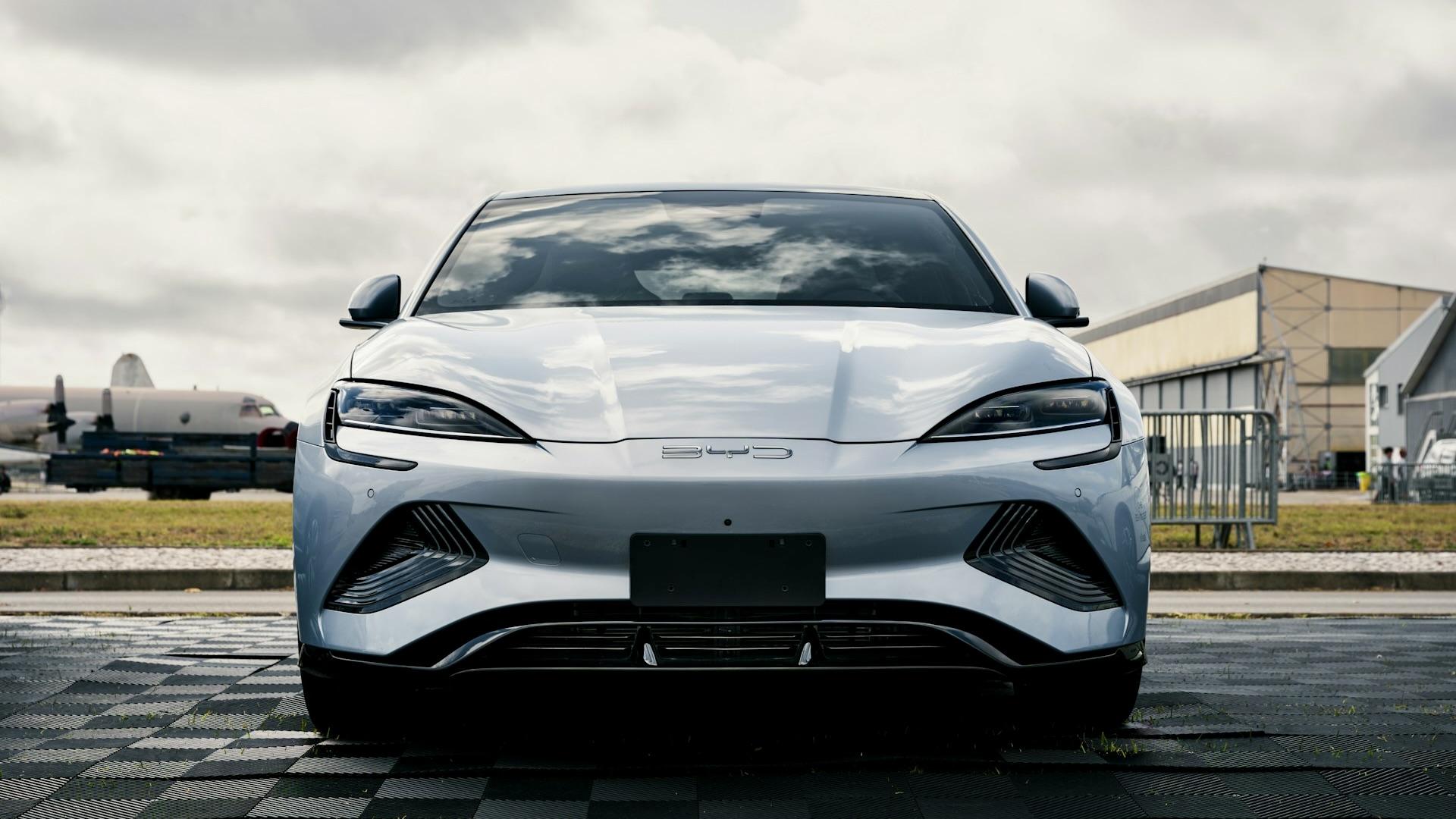
China’s automakers are rapidly expanding overseas as falling domestic car sales and excess manufacturing capacity push companies such as BYD, Geely and Chery to seek growth beyond the world’s largest auto market.
Chinese car sales dropped 20% year-on-year to 1.47 million vehicles in July, marking the 10th consecutive month of decline, according to the China Passenger Car Association. Meanwhile, vehicle exports surged 88% to 923,000 units, highlighting the growing importance of international markets for China’s auto industry.
Weak consumer spending, persistent price competition and sluggish demand for entry-level vehicles have contributed to the domestic downturn. During the first half of 2026, China’s local car sales declined by 2.3 million vehicles, or 20%, while exports jumped 71%.
The imbalance is encouraging Chinese automakers to accelerate their global expansion. Their competitive advantages include affordable electric vehicles, advanced batteries, software, intelligent driving features, large-scale supply chains and faster product development.
BYD illustrates the trend. Its China sales fell 35% during the first seven months of 2026, but overseas sales climbed 79% from a year earlier. Brazil and the United Kingdom have become its largest individual foreign markets.
Chinese electric vehicle makers are also intensifying competition with established Japanese and European automakers, including Toyota and Volkswagen. In Europe, Chinese brands increased their passenger vehicle market share from around 3% four years ago to 16% in the first quarter of 2026, according to Counterpoint Research. Japanese brands held approximately 12%.
The difference is even greater in the European EV market, where Chinese automakers account for nearly one-quarter of shipments compared with less than 5% for Japanese manufacturers.
Chinese companies are also moving beyond exports by establishing manufacturing operations in Europe, potentially reducing the impact of trade barriers. Counterpoint forecasts Chinese brands could control more than 20% of Europe’s passenger vehicle market and 29% of its EV market by 2030.
With domestic demand under pressure, overseas expansion is increasingly becoming an economic necessity for China’s auto industry—and a growing competitive threat to traditional global automakers.