China is preparing to reduce tariffs on a wide range of U.S. agricultural products, including corn, wheat, meat and dairy, as Beijing and Washington move to ease trade tensions following last week’s summit between Chinese President Xi Jinping and U.S. President Donald Trump.
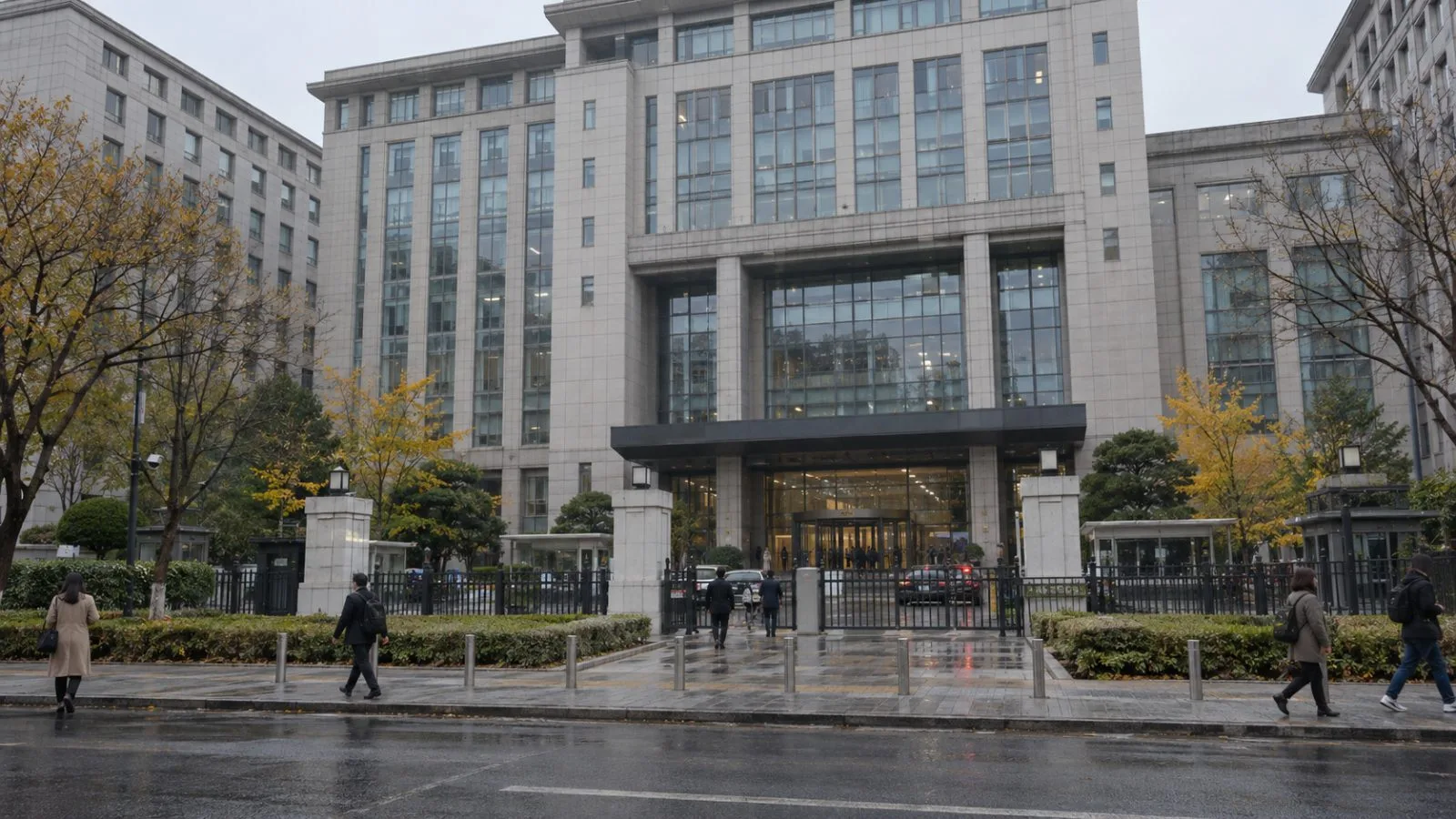
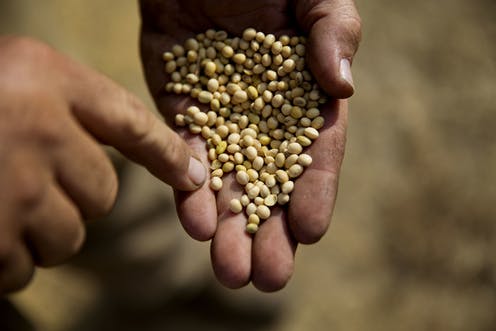
China’s Commerce Ministry released a tariff-reduction list on Monday covering sorghum, vegetable oils, meals and other agricultural products. Soybean oil and soybean meal were included, but U.S. soybeans—China’s largest agricultural import from the United States—were notably excluded.
U.S. soybeans will therefore continue to face an additional 10% Chinese tariff. Traders have warned that the levy remains too high for many private Chinese soybean crushers to absorb, potentially limiting commercial purchases despite increased buying by state-backed companies.
Chinese state agricultural firms Sinograin and COFCO have purchased more than 12 million metric tons of U.S. soybeans. That represents nearly half of the 25 million metric tons that the White House has said China committed to buying annually through 2028.
Beijing, however, has not publicly confirmed that annual soybean purchasing target.
The tariff announcement follows the Washington summit between Xi and Trump, where agricultural trade was among the key economic issues discussed. The two countries have also agreed to establish a trade council aimed at improving stability in bilateral economic relations.
One of the council’s first priorities will be discussing reciprocal tariff reductions covering about $30 billion worth of goods.
Trade involving the agricultural and related products included on China’s latest tariff list totaled approximately $17 billion in 2024, excluding soybeans, according to Reuters calculations. That figure is broadly in line with China’s reported purchasing commitment for the affected products.
The tariff cuts could provide a boost for U.S. agricultural exporters seeking greater access to the Chinese market. However, the continued 10% additional tariff on soybeans leaves a significant trade barrier in place for one of the most important commodities in U.S.-China agricultural commerce.