China’s proposed export controls would put 23 AI technologies under new oversight while leaving some digital services outside large-model export management, drawing a line between transferring technology and providing access.
The Ministry of Commerce and Ministry of Science and Technology proposed adding 40 entries to the export catalogue: 23 in AI, five in biomedicine and 12 in photovoltaics. The package would prohibit 14 technologies and restrict 26. The AI entries include large-model development, agents, information processing and computing clusters.
For large-model technology, the draft sets tests including training compute of 10²⁶ floating-point operations, at least 2 trillion parameters or a place in the global top 10 in certain assessments. Reuters reported that those assessments concern performance, use or efficiency, and that the draft does not identify which rankings qualify.
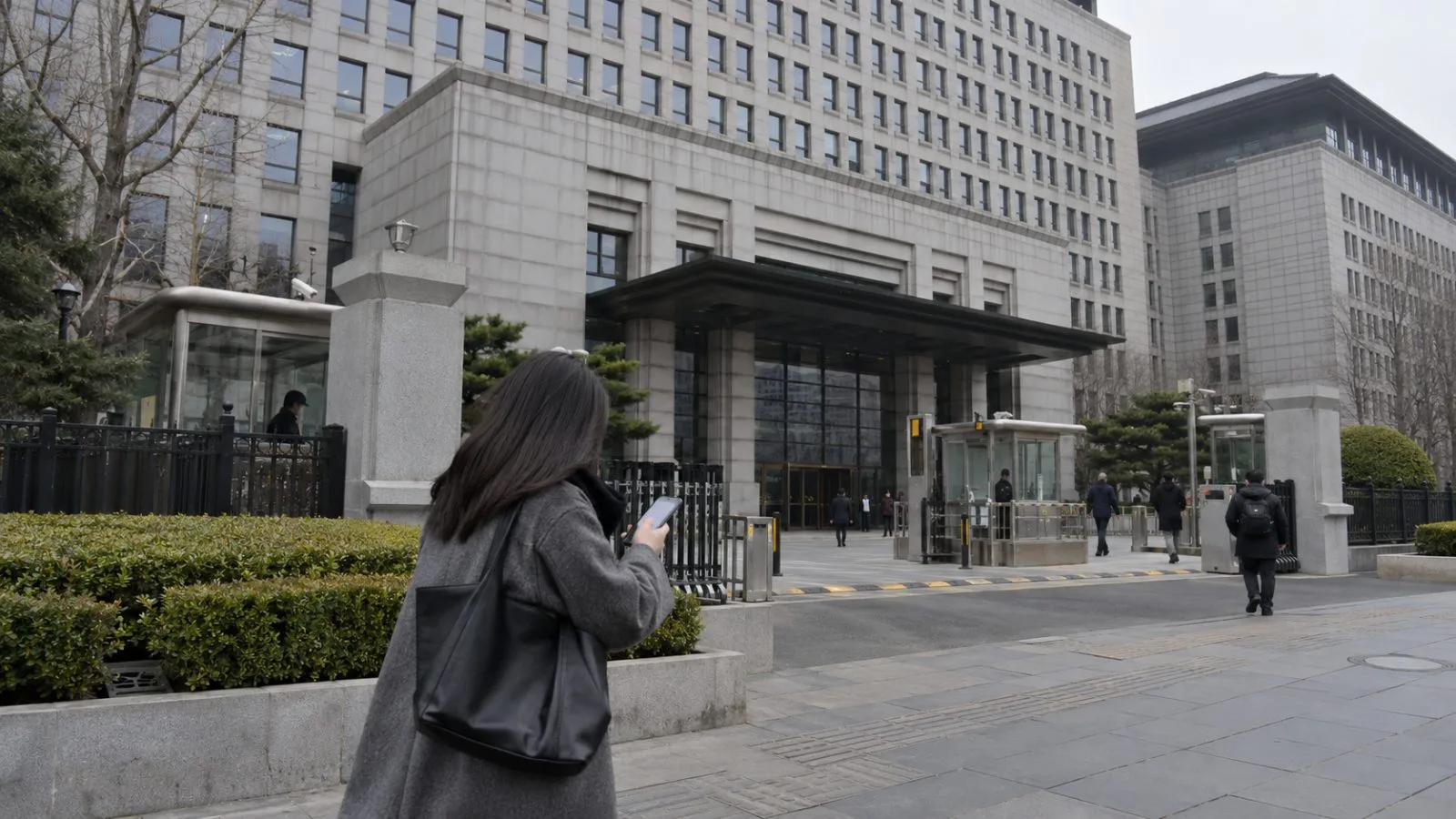
The Ministry of Commerce (MOFCOM) says its central test is whether restricted technology moves from China overseas. It says relocating restricted large-model technology abroad falls under export management, while customer access through APIs, apps, websites or software-as-a-service, as well as lightweight edge deployment, falls outside that scope. Overseas use of a company’s own cloud may qualify for automatic licensing.
A separate registration requirement for certain transfers took effect Oct. 16, 2026, and applies while the catalogue revision is pending. It covers transfers of technology ownership abroad, licenses for overseas use and cases in which a foreign entity gains ownership or effective control. It also applies to covered transfers already underway but not completed.
The ministries say the controls aim to prevent loss of control and improper spread of technology while preserving normal international cooperation. Alfredo Montufar-Helu, Beijing-based managing director at consultancy Ankura, told Reuters the approach reflects a preference for keeping intellectual property and research in China while selling access and operations abroad.
Reuters, citing a person briefed on the matter, reported that researchers at major Chinese AI labs are seeking guidance on whether the rules cover training or running models on servers owned by foreign companies abroad. The ministries say AI technology already made public through open-source releases or academic publication would be outside the proposed controls.
Public comments on the catalogue are due by Nov. 15, 2026.