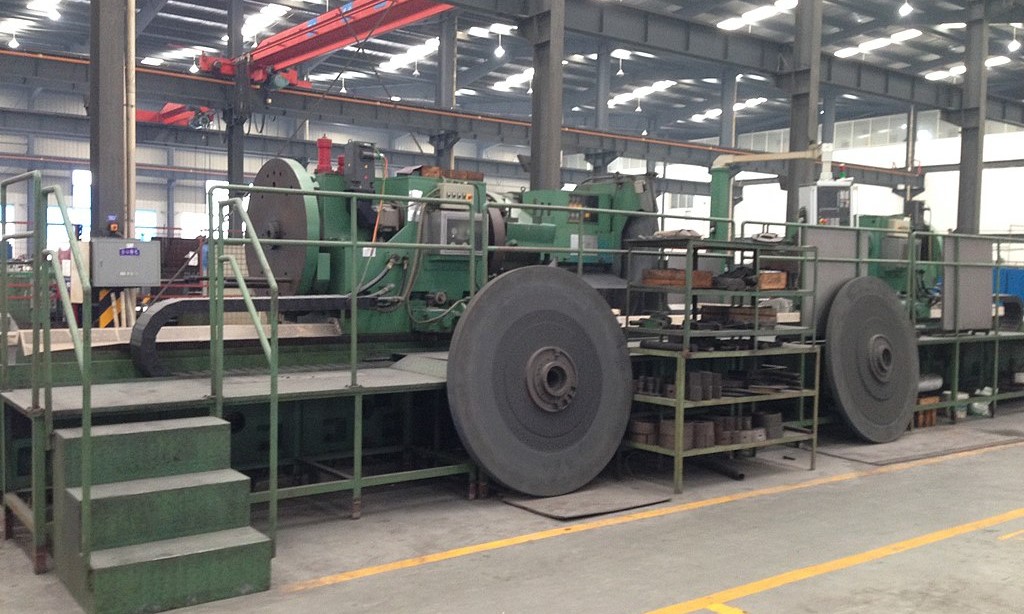
China’s industrial production grew faster than expected in August, supported by resilient overseas demand for Chinese exports even as other indicators pointed to continued weakness across the world’s second-largest economy.
Industrial output increased 5.2% year-on-year in August, according to government data released Tuesday. The result exceeded market expectations for 4.8% growth and accelerated from the 4.5% expansion recorded in July.
The stronger-than-anticipated performance was largely driven by robust foreign demand for Chinese manufactured goods. Electronics components, batteries and networking equipment were among the products helping sustain factory activity and offset softer conditions in the domestic economy.
However, China’s industrial production figures stood out against a generally weaker set of economic data.
Fixed asset investment for the January-to-August period declined 7.2%, slightly worse than the 7.0% contraction economists had forecast. The indicator, which tracks private and public capital spending, has remained in negative territory since April, highlighting persistent weakness in investment.
Consumer activity also remained subdued. Retail sales rose just 0.4% from a year earlier in August, missing expectations for a 0.7% increase. The latest reading showed that household spending continues to struggle despite Beijing’s efforts to stimulate domestic consumption and support economic growth.
China’s labor market also showed signs of deterioration, with the unemployment rate unexpectedly climbing to 5.3% from 5.2%.
The mixed August economic data comes as China continues to face multiple challenges, including weak domestic demand and higher U.S. trade tariffs. Strong exports have provided an important buffer, but declining investment and sluggish consumer spending remain significant concerns for policymakers.
Attention is now turning to Chinese President Xi Jinping’s planned U.S. state visit later in September. The meeting could provide an opportunity to ease tensions between the world’s two largest economies and potentially improve the outlook for China-U.S. trade relations.