China limited its restriction on Brazilian poultry meat to Santa Catarina after a Newcastle disease outbreak, Brazil’s Ministério da Agricultura e Pecuária (Mapa) said Oct. 20, preserving access for exporters in other states.
Mapa said negotiations kept China’s measure from applying nationwide. Mexico, however, has suspended imports of specified poultry products and birds from across Brazil, including meat, offal, fertile eggs and young chicks. Chile’s restrictions apply only to Santa Catarina but cover several poultry and egg products, the ministry said.
The distinction determines which exporters can still serve each market. Producers outside Santa Catarina retain access to China for poultry meat under the measure Mapa announced, while Mexico’s restrictions reach suppliers throughout Brazil. Exporters must also account for the different product lists set by each country.
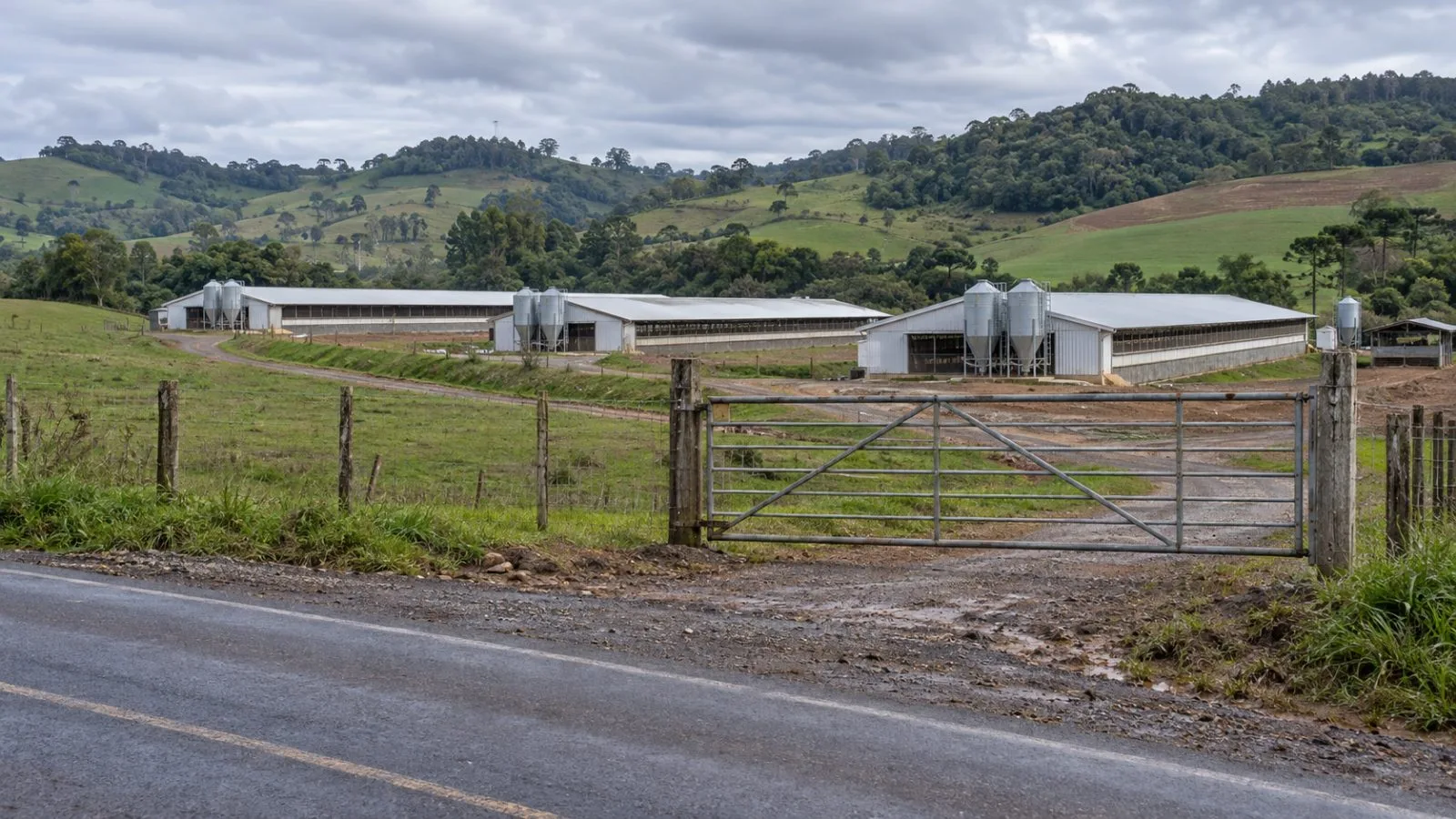
Brazil confirmed a Newcastle disease case at a commercial turkey farm in Nova Itaberaba on Oct. 18 and declared a 60-day animal health emergency in four municipalities. Veterinary officials barred birds from leaving the farm, Mapa said. Authorities plan to cull the flock and monitor about 133 nearby properties.
The last commercial poultry outbreak was in Rio Grande do Sul in 2024. JPMorgan’s estimate, reported by Reuters, put Brazil’s chicken export decline that year at about 100,000 metric tons, or 25%, in the month of trade restrictions; shipments later recovered as markets reopened. China kept a state-level ban in place until January 2026, the analysts said.
Earlier on Oct. 20, Reuters reported that JPMorgan expected a smaller economic effect this time if the outbreak remained localized. Santander analysts identified the length of import restrictions as a risk: a prolonged suspension could leave more Brazilian poultry competing for buyers at home and in other export markets, putting pressure on prices and exporters’ margins. Reuters reported that Santander considered MBRF more exposed to disruption than the more geographically diversified JBS.
Mapa said it is tracking decisions by other importing countries and will announce confirmed changes.