


 Solidigm Taps Goldman, Morgan Stanley for $10 Billion US IPO
  Moonshot AI Executives Seek Settlement Ahead of Hong Kong IPO
  Amazon in Talks to Acquire AI Startup Decart for $7 Billion
  Elon Musk Eyes Semiconductor Manufacturing Expansion With $15 Billion Terrafab Project
  Apple Supplier Luxshare Faces US Patent Probe, Sees Limited Impact
  US Suspends Microsoft, Adobe From Green Card Program
  Broadcom, Oracle and SpaceX Seek Billions in Private Debt for AI Expansion
  OpenAI Annualized Revenue Hits $50 Billion, Below Earlier Estimates
  Jameson Lopp Downplays AI Threat to Bitcoin Cryptography
  Apple Names Steve Smith M&A Chief in Leadership Shakeup
  Elon Musk Accuses Indian Telecom Giants of Blocking Starlink Launch
  Robinhood Chain Eyes Priority Gas Auctions for Faster Trades
  Zcash Plans Quantum-Resistant Security Upgrade for January
  Amazon Cuts More Jobs as AI Investment Expands


 Add as a preferred source on Google
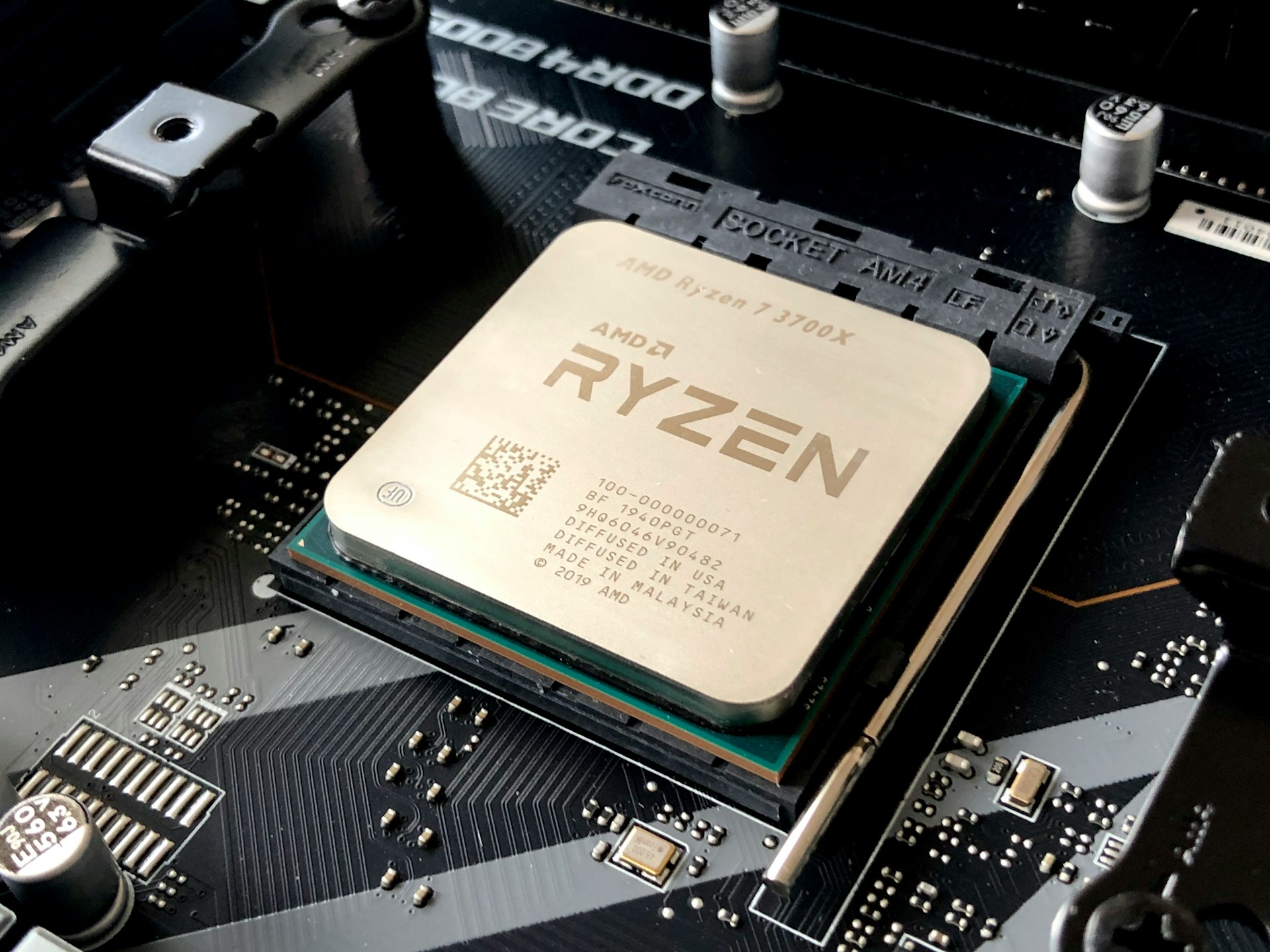
China has initiated a plan to replace Intel and AMD microprocessors in government computers, aiming to enhance cybersecurity.
China Implements Plan to Replace Intel and AMD Chips in Government Computers
China has issued guidelines to phase out Intel and AMD microprocessors from government personal computers and servers, the Financial Times (via Channel News Asia) reported on Sunday.
According to the report, the procurement guidance also aims to replace Microsoft's Windows operating system and foreign-made database software with domestic alternatives. The newspaper reported that government agencies above the township level have been instructed to include criteria for "safe and reliable" processors and operating systems when making purchases.
According to Reuters checks, China's industry ministry issued a statement in late December announcing three separate lists of CPUs, operating systems, and a centralized database deemed "safe and reliable" for three years after publication, all from Chinese companies.
The State Council Information Office, which handles media inquiries for China's Cabinet, did not immediately respond to a faxed request for comment. Intel and AMD did not immediately respond to requests for comment.
The Biden administration's 2022 CHIPS and Science Act aims to increase domestic semiconductor output while reducing reliance on China and Taiwan. It is intended to boost US semiconductor production by providing financial assistance for domestic production and subsidies for advanced chip production.
AMD Unveils Ryzen 8040 ‘Hawk Point’ and Ryzen 8000G Series at AI PC Innovation Summit
At the AI PC Innovation Summit in Being, AMD CEO Dr. Lisa Su introduced the Ryzen 8040 "Hawk Point" and Ryzen 8000G desktop APU series for the Chinese market, TechPowerUP reported. She also reaffirmed AMD's commitment to releasing the next-generation Ryzen processor, codenamed Strix Point, this year.
While the announcement contains no new information, it reaffirms AMD's commitment to its previous roadmap, promising a new mobile series for this year. The Strix Point, likely dubbed Ryzen 9050, is expected to be one of the first products to feature the Zen5 microarchitecture.
Lisa Su emphasized the importance of artificial intelligence (AI) and machine learning acceleration, which the AMD XDNA unit in the Hawk Point series already accomplishes. The upcoming Strix Point is expected to provide even better performance in this area.
David Wang, AMD's Senior Vice President of GPU Technology and Engineering R&D, also spoke on stage about the RDNA3+ and XDNA2 architectures. While these architectures have previously been mentioned, AMD has reiterated its claim that XDNA2 will triple the performance of the current APU series.
Although AMD did not specify an exact release date for Strix Point, the December release of Hawk Point suggests that AMD may follow a one-year product launch cycle.
Photo: Olivier Collet/Unsplash







