China rejected proposed U.S. tariffs of up to 40% and called for dialogue, saying the measures politicize market competition and threaten global supply chains, the Commerce Ministry said. The remarks were reported by CNA’s “East Asia Tonight” programme, published Nov. 26, 2026.
Washington’s proposal would impose a 20% rate on China if the current trade truce expires in January, in addition to tariffs from President Donald Trump’s first term. South Korea and Taiwan face potential rates of up to 25%, while Japan could face 20%, although existing trade agreements cap those three countries at 15%.
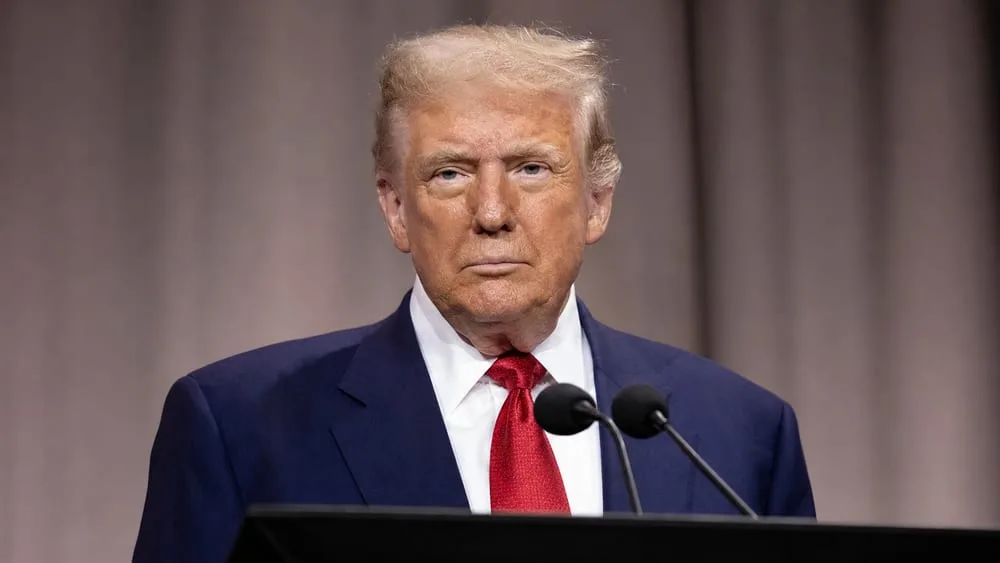
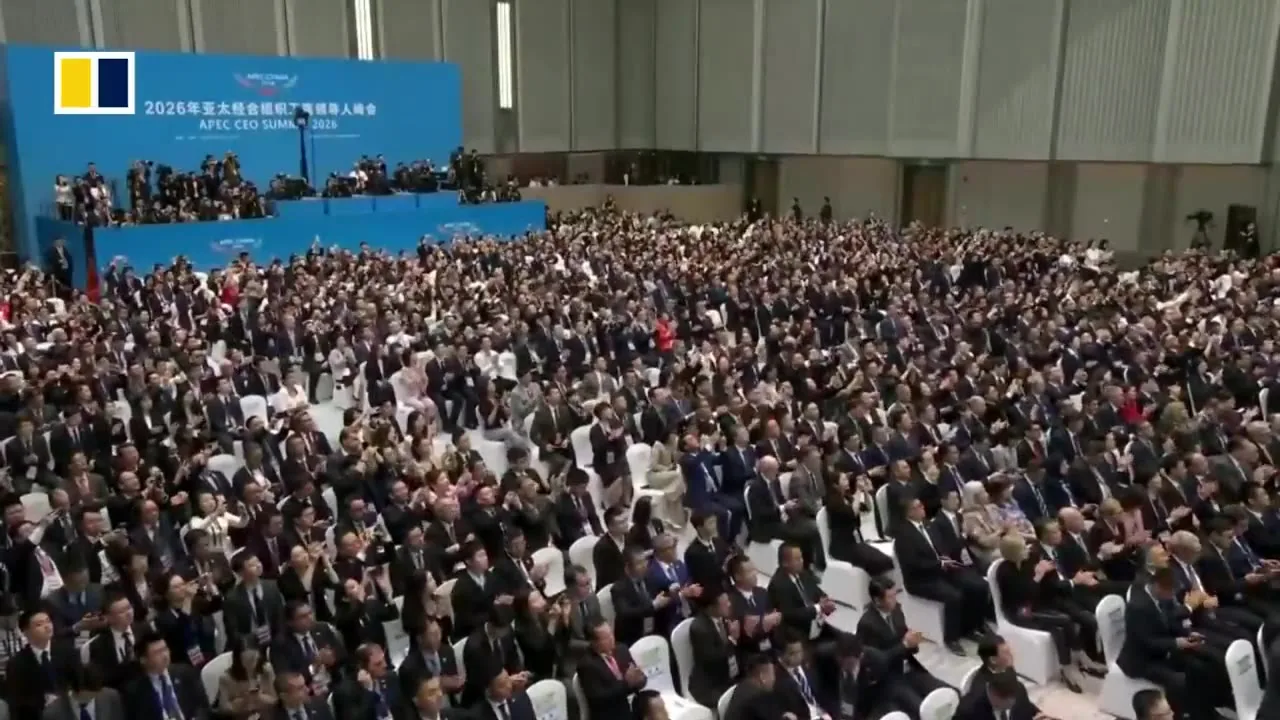
China said it reserved the right to take necessary measures, while continuing to seek talks with Washington. The proposal followed discussions between Trump and Chinese President Xi Jinping at the Asia-Pacific Economic Cooperation summit, where both sides agreed to pursue strategic stability and open and fair trade.
Two deadlines now shape the dispute. The trade truce is due to expire on Jan. 10, while the proposed new tariffs could take effect on Jan. 25. The rates remain subject to public consultation and hearings, and Washington said existing trade agreements, sector duties and other import charges could lower the final levels.
Singapore said its exports could face a levy of up to 20% and rejected the findings of the U.S. Trade Representative’s Office. The Ministry of Trade and Industry said the review did not reflect Singapore’s outward-looking, market-oriented economy or its role as a trading hub.
It said Singapore did not shield domestic markets or subsidize manufacturing for export.
Deputy Prime Minister Gan Kim Yong said Singapore would engage Washington to reduce the proposed tariff while protecting its interests. “We have not started negotiating on the trade deal,” he said, adding that the tariff had risen from 10% to 12.5% before reaching 20%.
Gan said the new rate came as a surprise after meetings with U.S. officials during ASEAN and APEC gatherings. Singapore and the United States have a free trade agreement, he said, and their relationship covers areas beyond the economy.
The U.S. proposal covers 14 economies in an investigation into excess industrial capacity. Vietnam could face 35%, while Indonesia, Malaysia and Thailand could face up to 25%. The proposed duties would be considered alongside tariffs imposed under Section 301 and sector-specific duties on steel, aluminum and automobiles.