The Trump administration’s new tariffs on China, the European Union and other trading partners could double if talks fail, a senior U.S. official told Bloomberg Television on Nov. 26.
Major trading partners called the tariffs unfair but largely sought negotiations instead of retaliation. The measures are intended to bring countries to the negotiating table and open more markets to U.S. exporters.
Countries including Vietnam, Malaysia and Indonesia face rates closer to China’s level after benefiting from production shifts during the first Trump administration. That has prompted companies to rethink supply chains across Asia.
The administration built flexibility into the new rates and their ceilings after the U.S. Supreme Court struck down earlier tariffs that gave the president broad room to adjust them. Democratic lawmakers who are expected to control both chambers of Congress said they would seek to roll back tariffs they believe are raising costs for Americans.
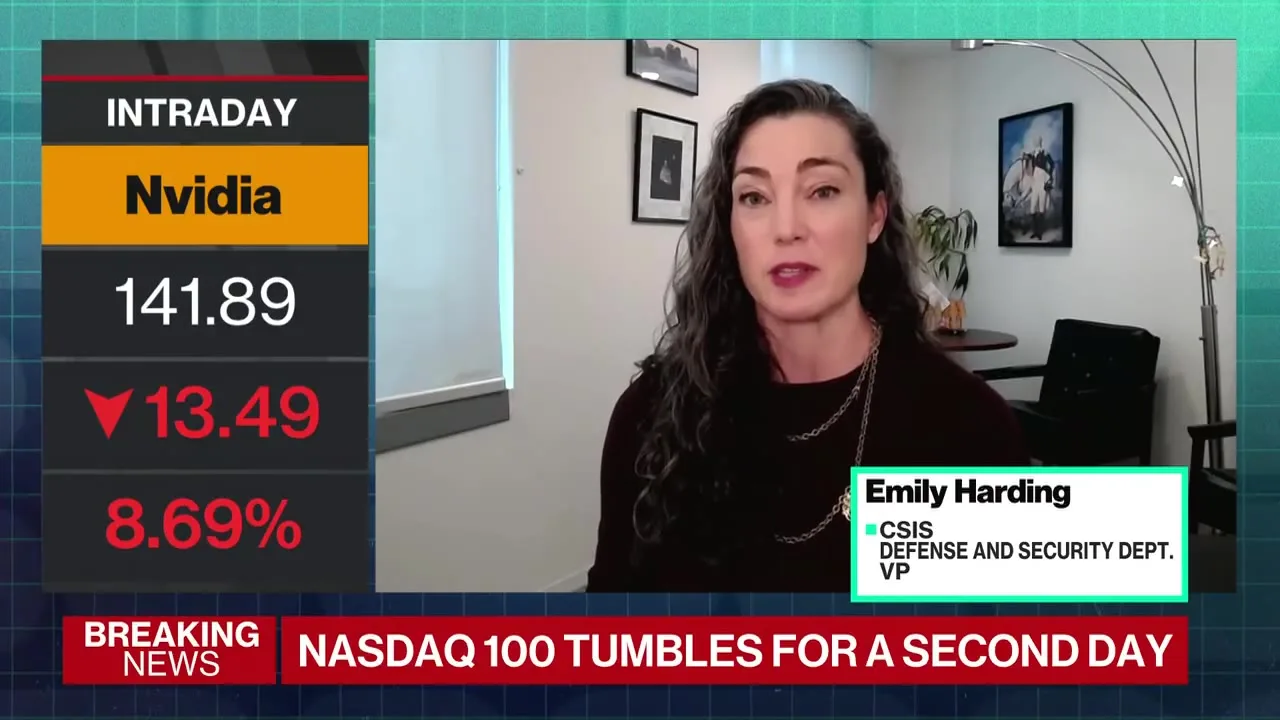
A senior equity analyst at Investec said new U.S. limits on shipments to Southeast Asia had led Nvidia to halt some deliveries to manufacturers. Investec said the move raised questions about the company’s near-term revenue growth, with some analysts estimating that as much as 20% of Nvidia sales could be tied to Chinese commerce.
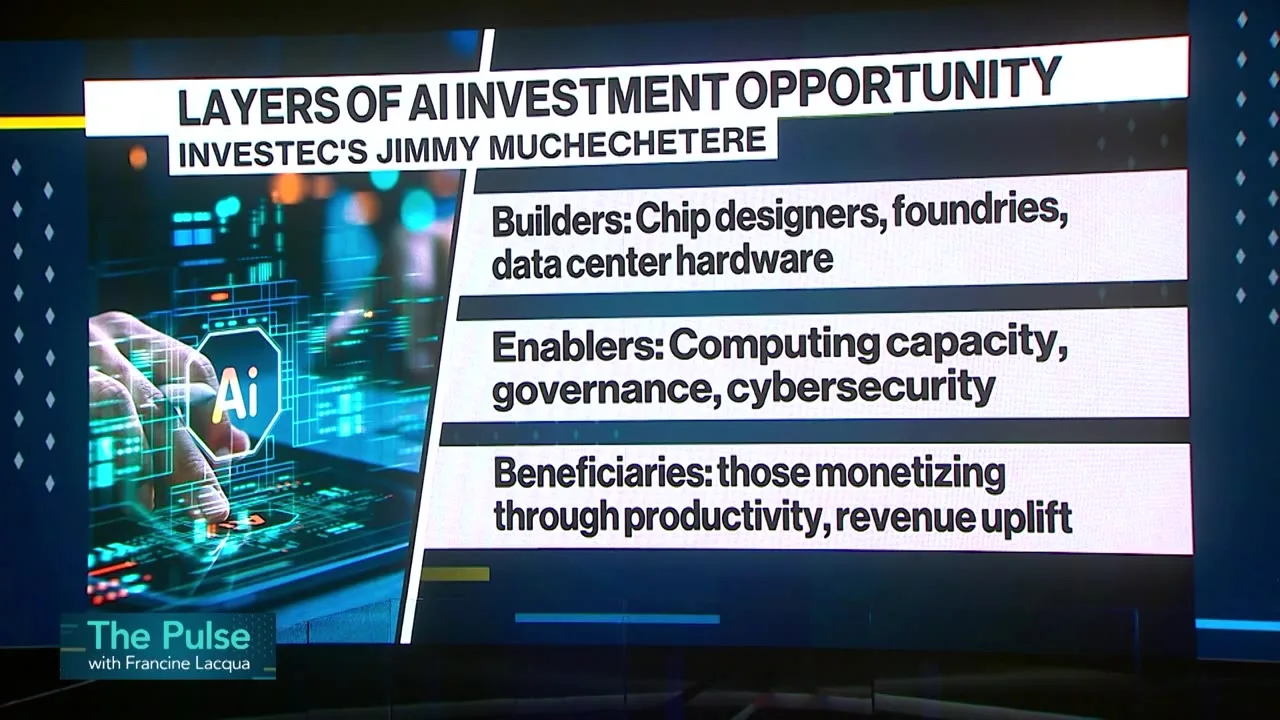
The analyst divided artificial-intelligence companies into infrastructure builders, enablers that provide security and controls, and beneficiaries that use the technology in products and services. Investec said restrictions could lengthen the construction cycle for data centers, while shortages of power and workers remained constraints.
Investec also said the U.S. tariff shock was less severe than during the earlier “Liberation Day” episode because companies had made more contingency plans. Investec said the risk was not viewed as major for 2027 and that European health-care and consumer-staples companies could provide defensive exposure.
Egypt has reached a preliminary agreement with the International Monetary Fund to unlock more than $2 billion under a loan program, as regional conflict and high interest rates pressure the economy. Egypt’s minister of planning and economic development said the economy grew 4.9% in the first quarter of the fiscal year and was expected to grow between 5.2% and 5.4% for the full year.
The minister said Egypt was relying on energy, manufacturing, services and tourism to diversify growth. A state-asset sale was oversubscribed six times by institutional investors, while an initial public offering by a startup was oversubscribed seven times. The government expects four more offerings and is seeking private investment in tourism and logistics.