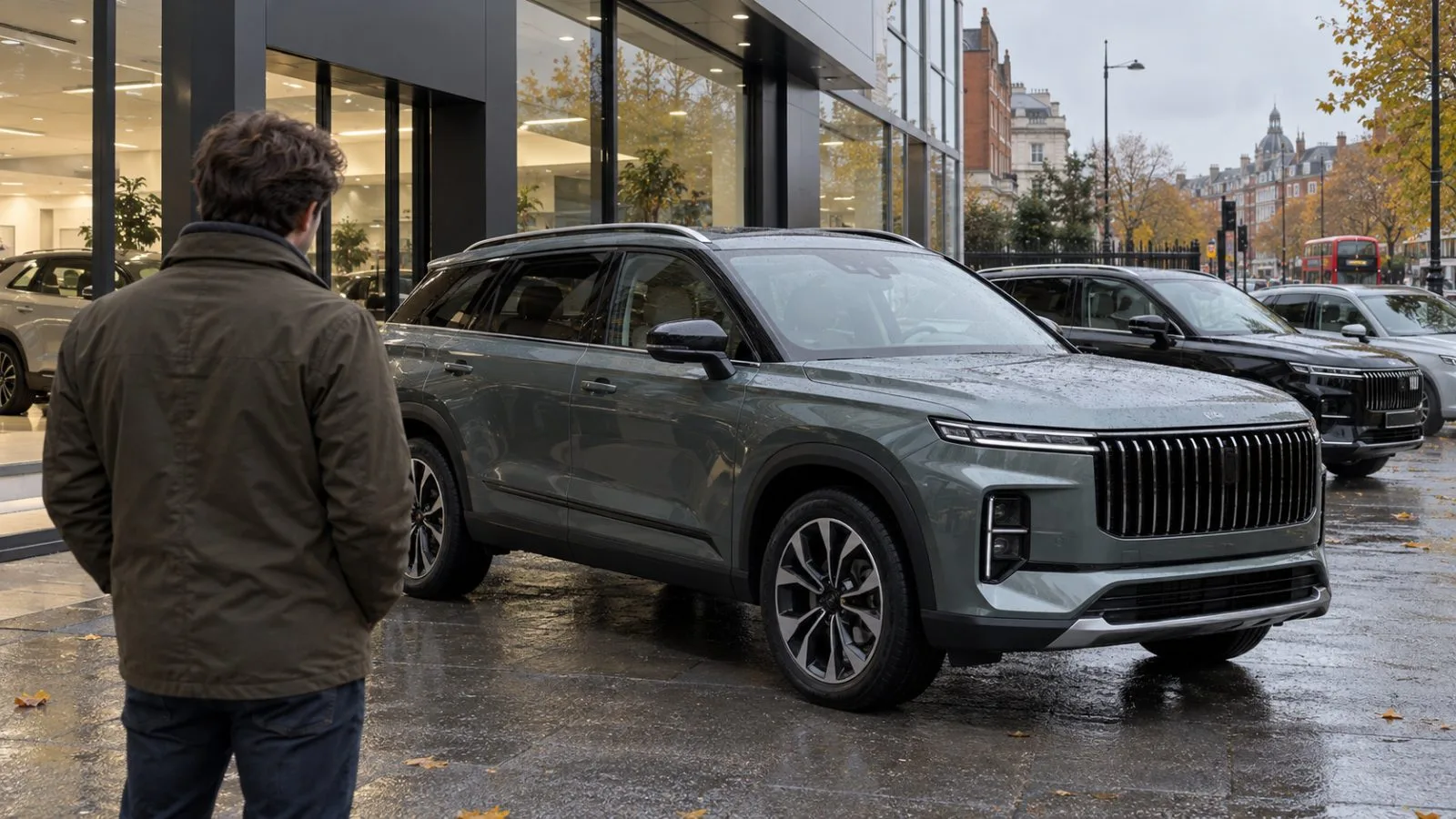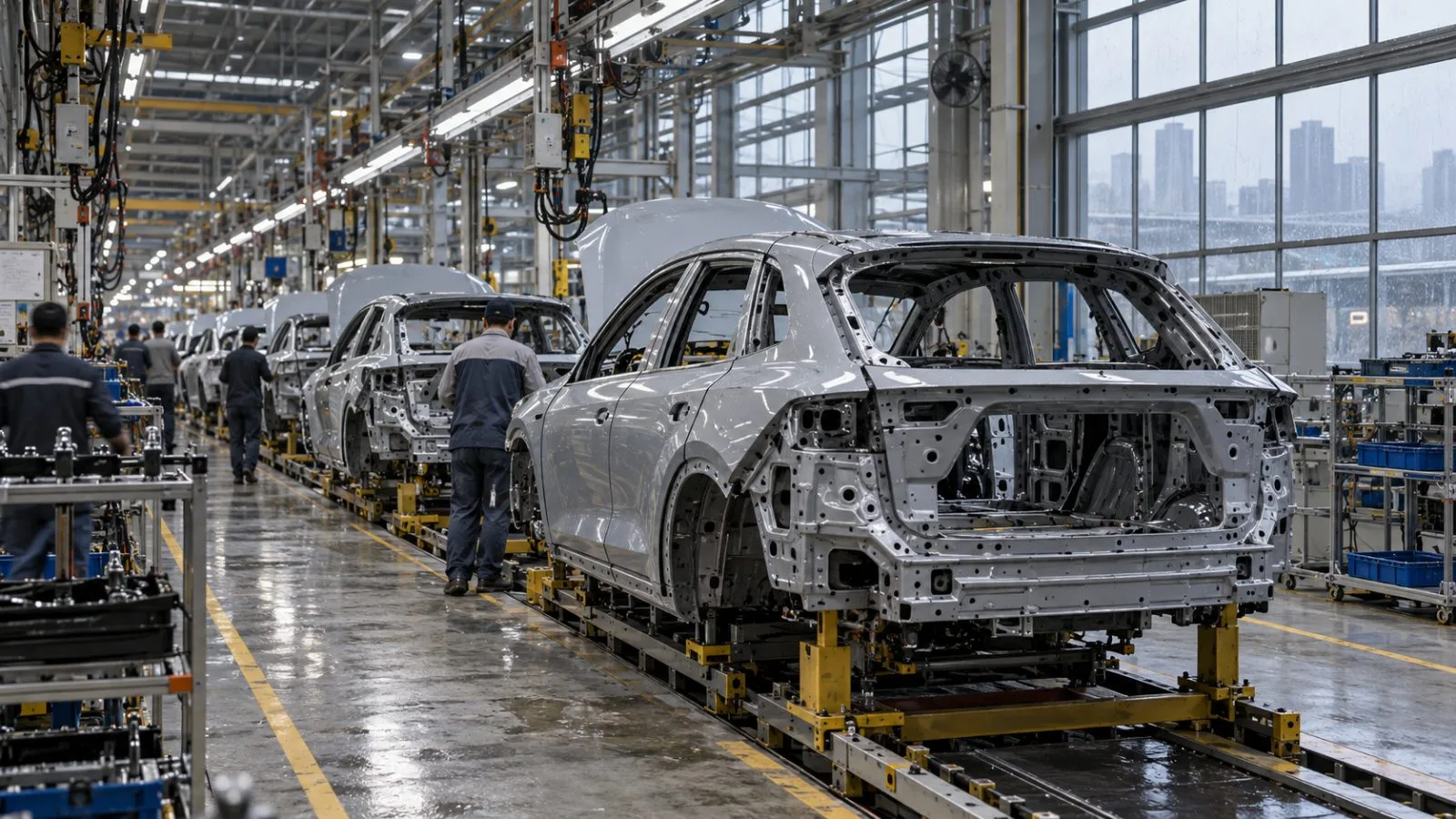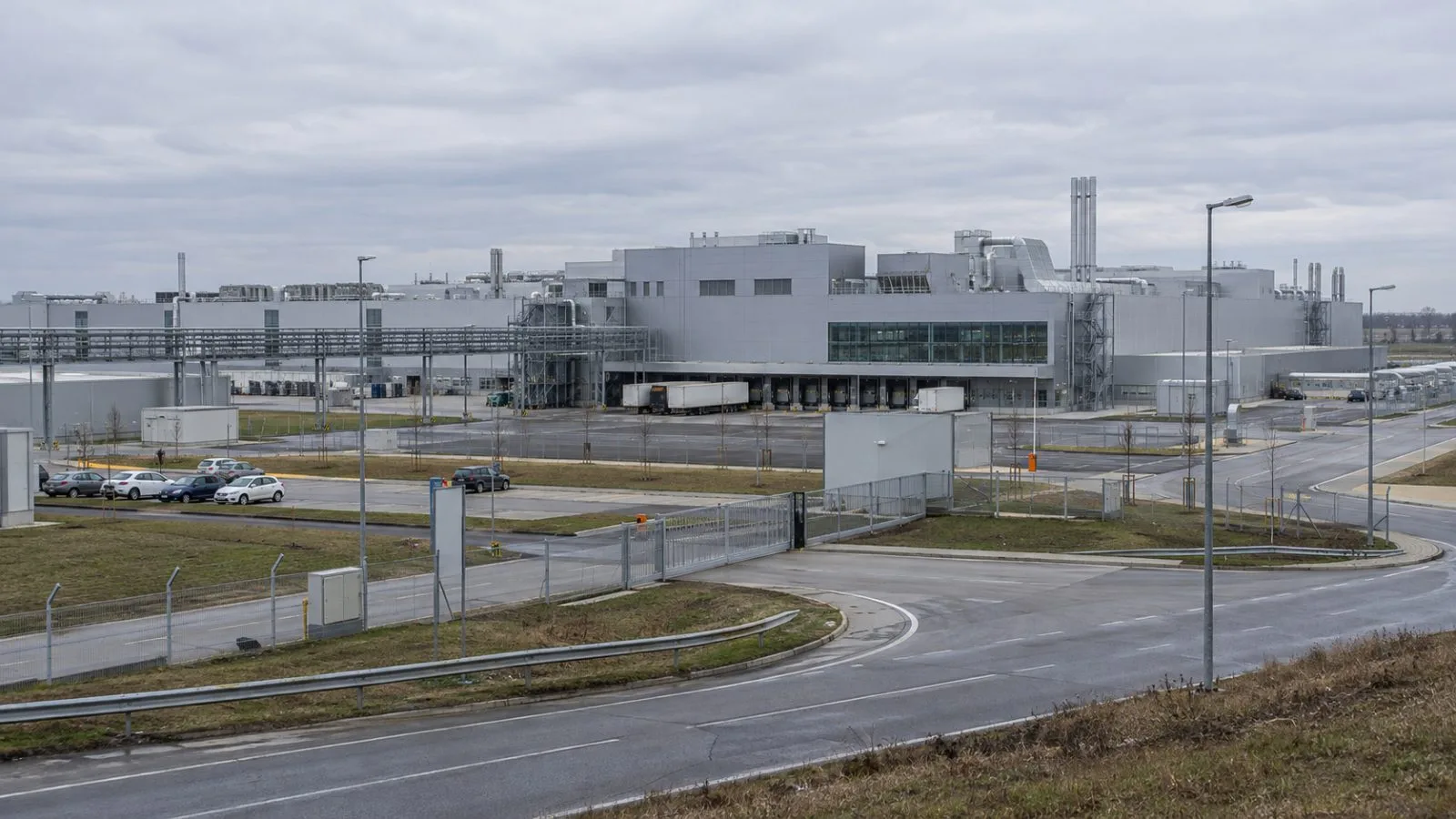
Chinese automakers are pursuing European vehicle production through a factory in Hungary and partnerships in Spain, as EU duties apply to battery-electric cars imported from China.
BYD announced its Szeged passenger-car factory in December 2023, saying the project would support local supply chains and create jobs. In September 2025, the company named the Dolphin Surf as the first model planned for the site, which was then expected to be ready for production by year-end. Reuters reported Sept. 16, 2026, that BYD Europe adviser Alfredo Altavilla said the company was starting production. Reuters’ account did not establish whether series production had begun.
In Barcelona, Spain’s Ebro and China’s Chery are producing vehicles at a former Nissan factory. Invest in Spain says Ebro holds 60% of the alliance and Chery 40%, and that the partners have invested more than €150 million. Chery’s 2024 environmental, social and governance report records the EBRO S700 as the first model produced by the Barcelona venture, with production under way by year-end. Invest in Spain gives the complex a year-end 2026 goal of up to 50,000 vehicles annually and says its newest line can turn out 250 cars a day.
Ford and Geely announced a proposed manufacturing venture at Ford’s Valencia site in July 2026. If regulators approve it, Ford would own 66% and Geely 34%. The companies say the venture would make fuller use of the plant, whose potential annual capacity is about 500,000 units, and would produce new vehicles including two electric Geely SUVs.
The European Commission set five-year countervailing duties on battery-electric vehicles imported from China: 17% for BYD, 18.8% for Geely and 35.3% for SAIC. The announcement addresses imports from China; it does not specify how every vehicle assembled in Europe would be treated.
BYD says its Hungary project is intended to support local suppliers and jobs, while Ford and Geely cite greater use of Valencia’s capacity as a goal. The Korea Herald has framed the partnerships as a role reversal from an earlier period when Western automakers teamed with Chinese companies to establish a presence in China.
Ford and Geely’s venture remains subject to regulatory approval. The companies expect operations to begin in the first half of 2027, with vehicle production in 2028.