


 Gold Prices Rebound as Dollar Weakens Ahead of US Inflation Data
  CNN, Politico and MS NOW Seek Court Order Blocking Trump White House Ban
  Trump Sanctions International Criminal Court, Sparking EU Backlash
  S&P 500 Rally Masks Losses for Over 40% of Stocks in 2026
  US Dollar Near 18-Month High Ahead of Inflation Data
  Trump Calls for Zelenskyy Replacement Amid Russian Diesel Deal
  Lincoln University Students Sue Missouri Over Decades of Underfunding
  Elon Musk Donates $366 Million to 2026 US Midterms
  UK Finance Minister Healey Calls for Fiscal Discipline Amid Global Risks
  Judge Blocks Trump Election Conditions on Counterterrorism Grants
  US Appeals Court Upholds Anthropic AI Supply Chain Ban
  Philippines Current Account Deficit Seen at $19.1 Billion in 2026
  Morgan Stanley Predicts $10 Trillion RWA Market by 2030
  Binance to Shut Down Crypto Mining Pool Services on November 10
  JD Vance Questions Pentagon Plan to Livestream Fort Hood Shooter’s Execution
  Samsung, SK Hynix Shares Fall as China's CXMT Advances DRAM Technology
  California AG Subpoenas OpenAI Over AI Cybersecurity Incidents


 Add as a preferred source on Google
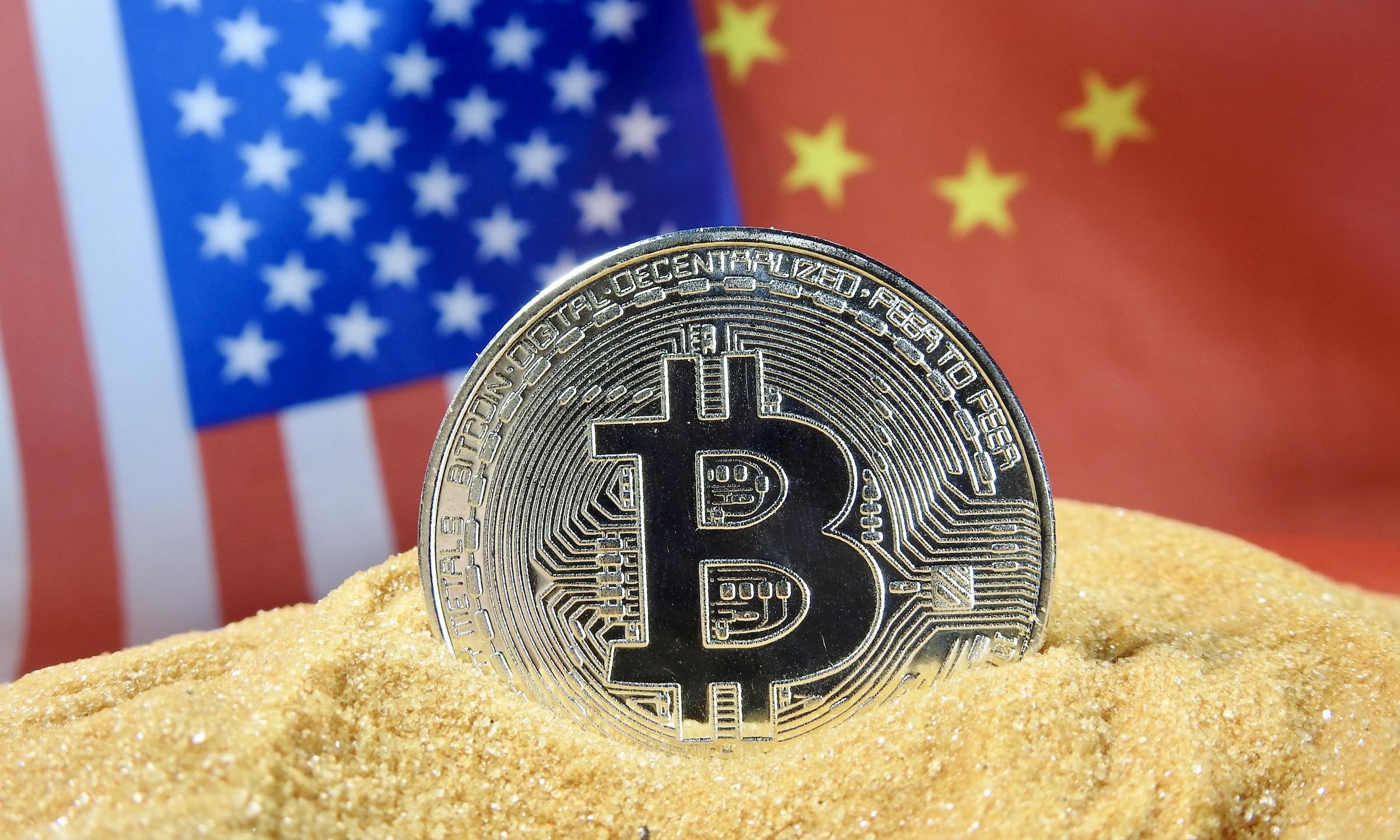
In a recent opinion article, a Chinese court in Xiamen proposed recognizing and legally protecting cryptocurrencies as property, highlighting their "economic attributes" and international legitimacy despite Beijing's ongoing restrictions on digital assets.
Despite recent government crackdowns on digital assets-related activities, the court emphasized that cryptocurrency ownership rights should be safeguarded under the country's legal and policy framework.
According to the Xiamen court, cryptocurrencies possess "economic attributes" such as usefulness and exchange value, which objectively exist as they circulate legally in overseas markets. The court asserted that the ownership of cryptocurrencies, seen as a digital commodity, should be protected except in cases where they are used for criminal purposes or acquired unlawfully.
The opinion piece from the Xiamen court reflects an emerging consensus among Chinese authorities regarding the protected status of cryptocurrency ownership. This contrasts with Beijing's ongoing hostility toward digital assets on the mainland, despite the recent regulatory developments in Hong Kong allowing for cryptocurrency trading among retail investors.
It is noteworthy that, in a landmark liquidation case involving the now-defunct Hong Kong crypto exchange Gatecoin, the Hong Kong High Court ruled that cryptocurrencies are legitimate assets that can be held in trust. This decision places cryptocurrencies on par with other intangible assets like shares and bonds, aligning Hong Kong's legal perspective with other common law jurisdictions.
Legal experts believe this ruling will have far-reaching implications for cryptocurrency-related ownership and property rights matters.
The Xiamen court's stance signifies a growing recognition and acceptance of cryptocurrencies as protected property within China. This perspective contradicts the recent Chinese government's ban on certain cryptocurrency-related activities, outlined by ten prominent government agencies in September 2021.
Importantly, the Xiamen court clarifies that the ban primarily focuses on cryptocurrency businesses and does not render all cryptocurrency transactions illegal. The Xiamen court's opinion piece underscores the need for a legal framework that acknowledges cryptocurrencies' distinct nature and potential benefits while maintaining robust measures to combat illicit activities.
Photo: Ewan Kennedy/Unsplash







