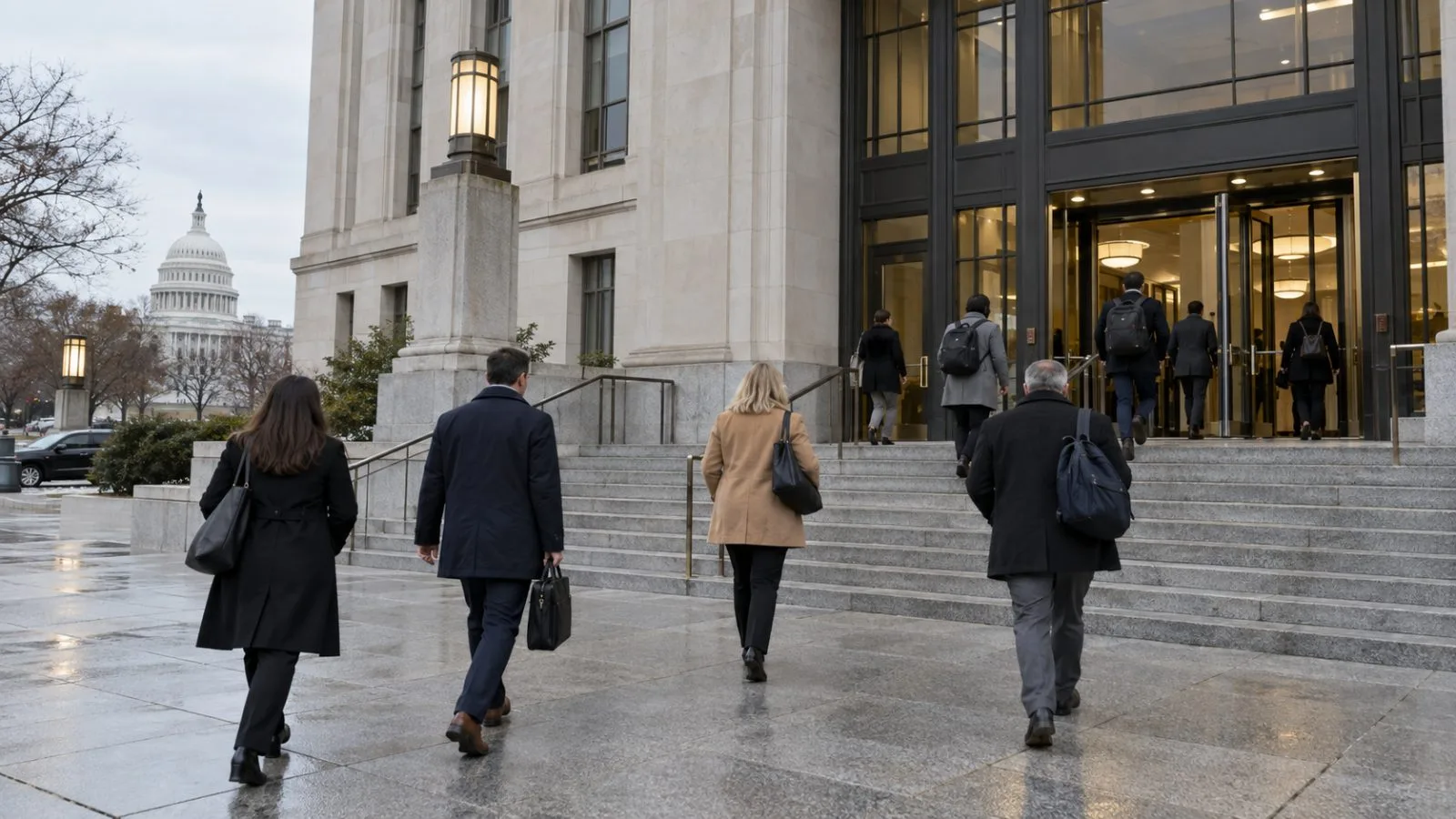
A Chinese national was arraigned in California on Oct. 23 over an alleged cryptocurrency scam that moved more than $36.9 million through a Bahamas account, the U.S. Justice Department said.
Zheng Zhao’s extradition from the Netherlands brought him before a U.S. court after eight alleged co-conspirators pleaded guilty. The department announced the arraignment in its Oct. 23 press release, “Chinese National Extradited for Alleged Role in Multimillion-Dollar Cryptocurrency Scam Targeting U.S. Citizens.”
Zhao, 44, faces a charge of conspiracy to commit money laundering filed in August 2025. The charge carries a maximum prison sentence of 20 years if he is convicted, the department said.
Prosecutors alleged that Zhao belonged to an international network operating from scam centers in Cambodia that targeted Americans with fraudulent cryptocurrency investments. The government identified 174 U.S. victims, the department said.
The alleged scheme began with unsolicited approaches through social media, telephone calls, text messages and online dating services. Prosecutors said overseas participants gained victims’ trust before steering them toward supposed investments in digital assets.
Participants allegedly built websites that looked like legitimate cryptocurrency trading platforms and persuaded victims to send money for investments. They then told victims their holdings had gained value, although the money had been stolen, prosecutors alleged.
More than $36.9 million moved from U.S. bank accounts controlled by alleged participants to one account at Deltec Bank in the Bahamas. Prosecutors alleged that Zhao and others arranged for the bank to convert the money into Tether, a cryptocurrency known as a stablecoin.
The converted funds allegedly went to a digital wallet controlled in Cambodia. Participants there then distributed the Tether to leaders of scam centers across the region, prosecutors said.
The alleged laundering network used U.S. shell companies, international bank accounts and digital wallets to move victims’ money, prosecutors said. The department did not give the period over which the alleged investment scheme operated.
Among those who pleaded guilty were ShengSheng He and Jingliang Su, who admitted conspiring to operate an unlicensed money transmitting business. They received prison terms of 51 months and 46 months, respectively, the department said.
The U.S. Secret Service’s Global Investigative Operations Center is investigating the case. The department’s Office of International Affairs worked with Dutch authorities to secure Zhao’s arrest and extradition.
Assistant Attorney General A. Tysen Duva, who heads the department’s Criminal Division, said: “We will pursue charged defendants anywhere in the world.”
The charge against Zhao remains an allegation. He is presumed innocent unless prosecutors prove his guilt beyond a reasonable doubt in court.