Chipmakers have orders booked well into 2028 despite concerns about slower US data centre expansion, Bob O'Donnell, president and chief analyst at Technalysis Research, said after a sell-off in technology shares.
Existing contracts support further earnings growth, although investors are questioning how quickly those earnings will rise. O'Donnell distinguished that concern from a disappearance of demand for chips.
He spoke on CNA's “US tech sell-off: What it means for Asia's semiconductor industry”, published Nov. 6, after Democratic midterm election victories raised concerns about tighter oversight of artificial intelligence.
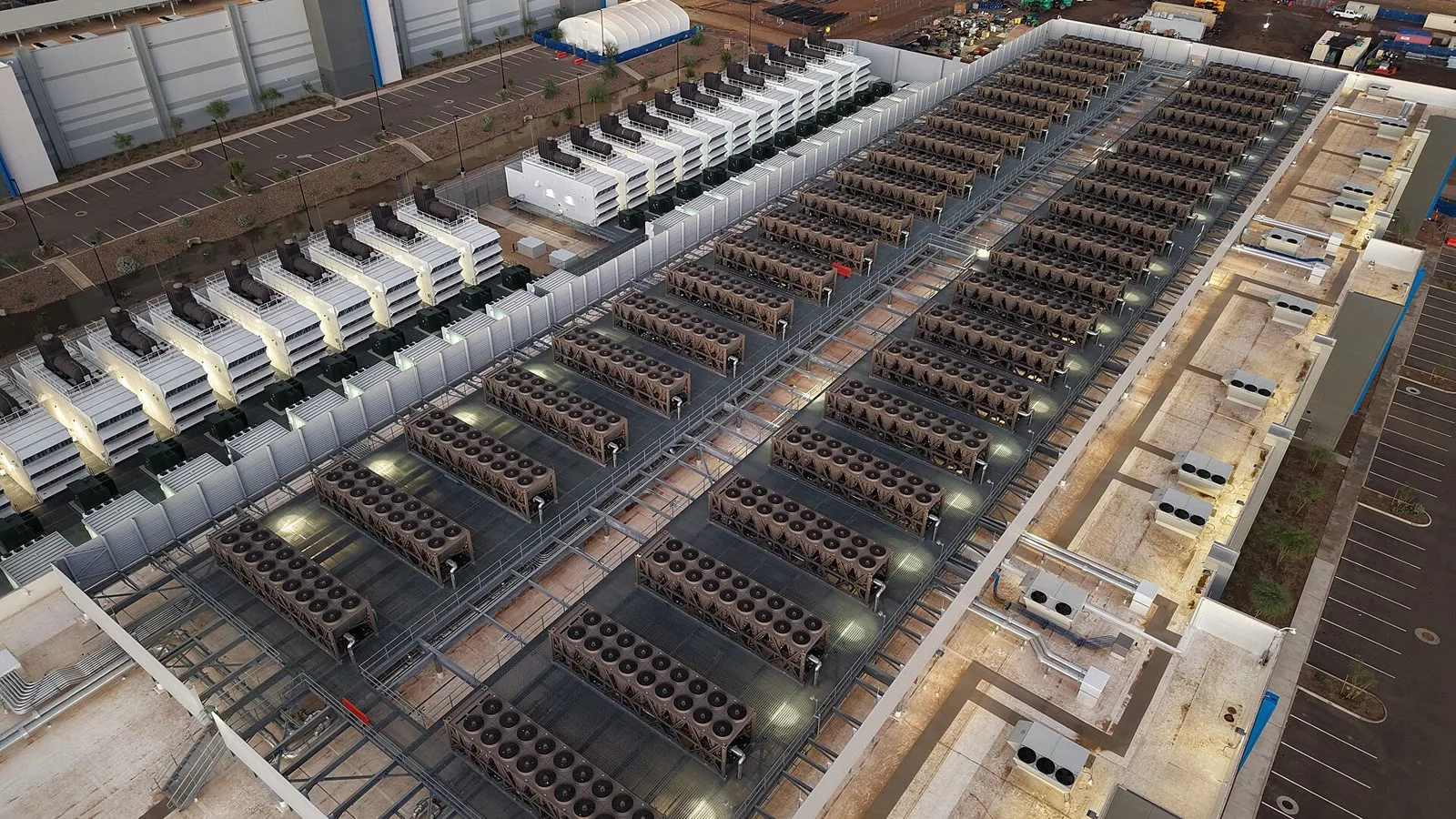
O'Donnell said concerns about spending and financing for data centres had already been building before the election. He saw the result as a trigger for a slowdown that could have happened anyway.
He said the governor-elect of Texas had indicated that data centre plans for 2027 could proceed. Restrictions elsewhere in the United States could create opportunities for other regions to meet demand for AI services.
Malaysia, Thailand and the Middle East already have large data centre construction projects, he said. Greater transparency about how projects proceed could help address opposition, although he expected several difficult months.
China could also see an opportunity in US restrictions. But reducing the large number of planned American data centres would still leave development ahead.
“Cutting it back some doesn't mean we're cutting it back completely,” he said.
He expected more regulation in the United States and potentially elsewhere because data centres' demands on electricity networks and water supplies extend beyond American borders. Their employment benefits would also need explaining.
Turning to chipmakers, he said companies had sold their available output through this year, next year and well into 2028. Contracts already in place underpin his expectation of earnings growth.
He also expected consolidation among newer cloud computing companies that buy computing capacity. That could reduce the number of buyers, although surviving companies would want to purchase more.
Anthropic and OpenAI could delay their initial public offerings, their first sales of shares to public investors, he said. OpenAI's listing had originally been discussed for January 2027.
“Given the current environment, would not surprise me at all to see them getting delayed,” he said.
The listings could have a larger effect than the recent sell-off because financing arrangements and chip purchases connect many of the companies involved. He wanted to see about a year of earnings afterward.
He expected a clearer picture by early 2028, with sharp swings and unanswered questions before then. He also expected Anthropic's proposed valuation to fall from the $2 trillion discussed, while describing $1.5 trillion as still enormous.
He gave no revised listing dates or firm valuation, leaving both the timing of the offerings and the scale of any reduction unresolved.